Goldendoodle
AKA — Goldenpoo, Groodle
The Family Favorite With a Grooming Schedule
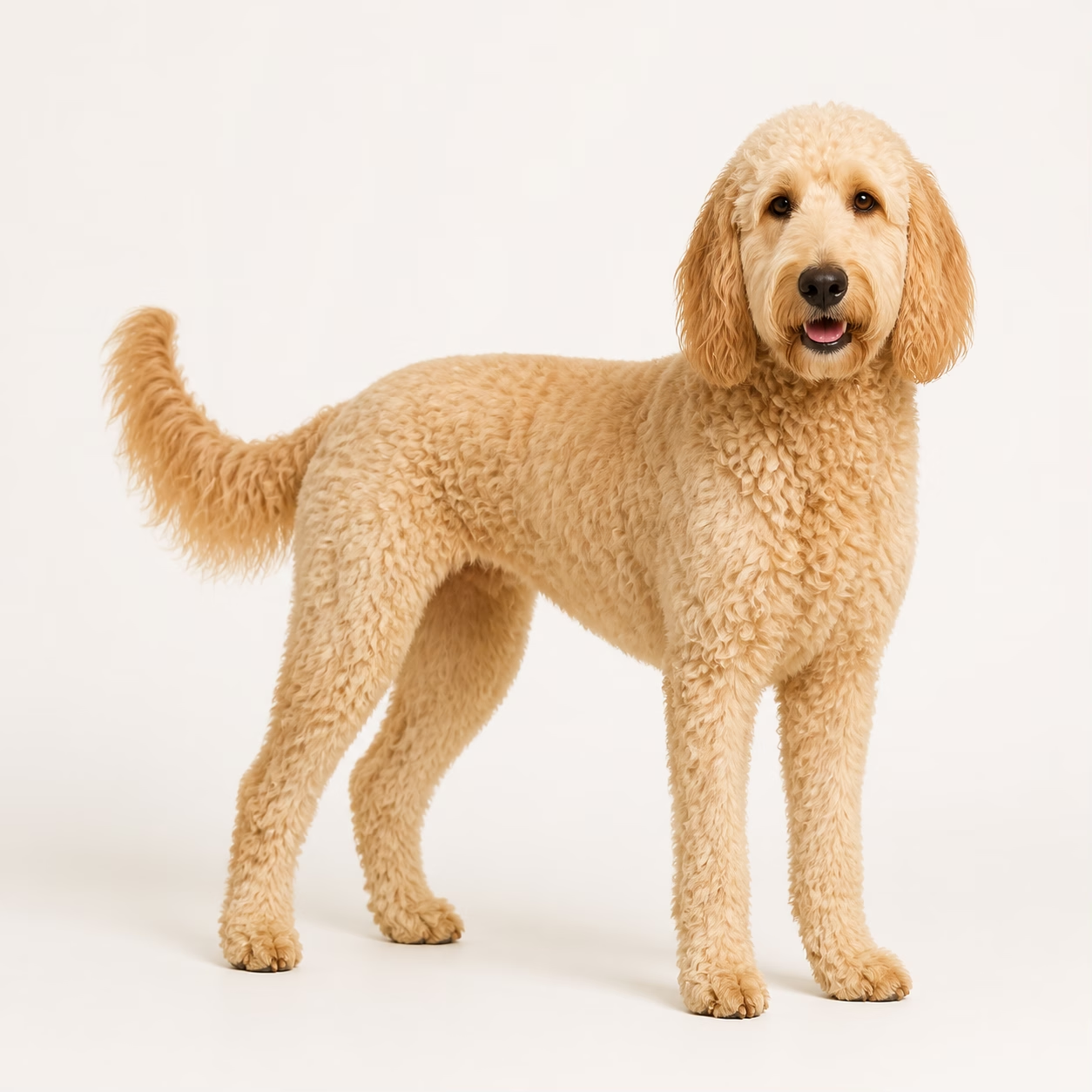
Goldendoodles are social, trainable, and easy to adore. The catch is that size, coat, shedding, and energy can vary much more than the teddy-bear photos suggest.
Breed traits at a glance
Most need more than a neighborhood lap. Plan on daily walks, retrieving, training games, and enough activity to settle afterward.
Golden and Poodle ancestry often brings quick learning and a strong interest in people. Clear, upbeat training helps keep all that enthusiasm livable.
Often warm and playful with children. Standard dogs can be large, springy, and mouthy as puppies, so supervision and calm greetings matter.
The soft coat can mat close to the skin even when it looks fine on top. Brushing and scheduled professional grooming are part of ownership.
Some bark at visitors, ask loudly for attention, or get vocal when bored. Exercise and a well-rehearsed settle routine can turn down the volume.
Some shed lightly, but coat type and allergen levels are not guaranteed. Meet the individual dog before making an allergy decision.
The honest fit check
Is a Goldendoodle right for you?
The Goldendoodle pitch sounds almost perfect. A good match means embracing the less photogenic parts too: grooming, daily exercise, and plenty of unpredictability.
Great fit if…
- You want a social dog who joins family activities and learns quickly.
- You can provide daily exercise, retrieving games, and short training sessions.
- You are comfortable budgeting for professional grooming every six to eight weeks.
- You can accept that adult size, coat, and shedding may differ from predictions.
Think twice if…
- You need a guaranteed hypoallergenic or reliably non-shedding dog.
- You want an easy coat that can go weeks without brushing.
- Your dog would spend most weekdays alone without exercise or interaction.
- You expect a cute family puppy to become calm without deliberate training.
Daily reality
- Exercise
- A solid daily outing, plus retrieving, sniffing, and short training sessions.
- Shedding
- Low to moderate for many dogs, but there is no coat guarantee.
- Alone time
- Usually people-focused; teach comfortable alone time before constant company becomes an expectation.
- Grooming
- Brush to the skin several times weekly; professional grooming every 6 to 8 weeks.
- Size
- About 15 to 90 lb and under 14 to over 21 in, depending on line.
Temperament & Personality
A Goldendoodle is a deliberate cross between a Golden Retriever and a Poodle. First-generation dogs have one parent of each breed. Later generations may have Goldendoodles, Golden Retrievers, or Poodles elsewhere in the pedigree. Those labels describe ancestry. They do not guarantee a specific coat, size, energy level, or temperament.
The common thread is usually strong interest in people. Goldens were developed to work cooperatively and retrieve. Poodles are athletic water retrievers with quick minds. Many Goldendoodles are social, trainable, playful, and eager to stay close to their people. That same closeness can turn into poor independence if the puppy is never taught how to settle alone.
Size varies with the Poodle line and the goals of the breeder. The Goldendoodle Association of North America describes petite, mini, medium, and standard ranges, from under 14 inches and roughly 25 pounds or less to standards over 21 inches and 51 pounds or more. Coat type varies just as much. A dog may be straight, wavy, or curly and may shed lightly, moderately, or more than expected.
At their best, Goldendoodles are stable, athletic companion dogs. The appealing promise is a Golden-like family dog with a Poodle-like coat, but a pedigree can only suggest that combination. It cannot guarantee it.
What It's Like To Own One
A Goldendoodle tends to make itself part of the household quickly. It follows conversations, appears in the kitchen when a wrapper moves, and assumes family plans include one additional passenger. That social confidence is a big part of the appeal.
Puppyhood can be louder and more physical than buyers expect. A standard adolescent may be 50 pounds of legs, mouth, and enthusiasm. Until greetings, leash manners, and settling are taught, that friendliness may look like jumping on guests and dragging toward every dog on the block.
Then there is the coat. A fluffy dog can look fine while mats tighten beneath the surface. Owners who learn line brushing, use a comb, and keep a regular grooming schedule usually manage it well. Owners who expected low shedding to mean low maintenance get an expensive surprise.
Give the dog exercise, useful training, companionship, and help learning when to settle. In return, you get a funny, affectionate participant who treats ordinary family life like the main event.
I am:Will Ferrell
Big-hearted, friendly, physical, and ready to turn an ordinary afternoon into a full production.
Famous & Fictional Owners
People and characters whose lifestyle, energy, and identity fit this breed.
Jennifer Garner
Warm, active, family-centered, and practical enough to keep the grooming appointments on the calendar.
Kelly Clarkson
Openhearted, social, funny, and comfortable with a dog who wants to be included in everything.
Chris Evans
Affectionate, outdoorsy, approachable, and ready for an enthusiastic dog who can move and then settle close.
Dating Profile
I am friendly, photogenic, and completely prepared to make your errands a group activity. I love fetch, training games, visitors, and standing exactly where you need to walk. My coat may be straight, wavy, curly, or simply more work than it looks. I cannot promise your allergies anything, but I can promise enthusiasm. Keep my brain busy, teach me how to settle, brush all the way to the skin, and I will bring a ridiculous amount of warmth to the house.
Where They Want To Live
Time matters more than square footage. A fenced yard is useful, but it cannot replace walks, retrieving, training, and a place in family life. Standards need enough room to move without knocking over every drink in the house. Smaller dogs can adapt well to apartments when their exercise and barking are handled.
Work-from-home households can be a great fit, as long as the dog also learns to spend time alone. Build that skill early so a change in schedule does not become a crisis.
Things To Know
- A puppy coat does not reliably predict the adult coat or shedding level
- A fluffy surface can hide mats tightening close to the skin
- Friendly puppies still need calm greeting practice and impulse control
- Mini, medium, and standard labels are useful ranges, not universal guarantees
- Health testing matters on both the Golden Retriever and Poodle sides
Gear Guide
- Long-pin slicker brush and stainless-steel comb
- Durable retrieving toys for games with clear start-and-stop rules
- Large washable mat for settle training
- Treat pouch for rewarding four paws on the floor
- High-velocity dryer or absorbent towels for wet coats
Health Watch: Common Breed Risks
Goldendoodles can inherit health risks from either founding breed. A cross is not a substitute for documented testing on both parents.
- Hip and elbow dysplasia
- Eye disease, including forms of progressive retinal atrophy
- Cardiac disease
- Patellar luxation, especially in smaller lines
- Von Willebrand disease and other testable inherited conditions
- Ear infections and skin irritation under dense coats
Coat, Shedding & Grooming Needs
Goldendoodle coats can be straight, wavy, or curly. Low shedding often means loose hair stays trapped in the coat, where it forms mats.
- Brush in sections all the way to the skin at least three times weekly
- Use a metal comb afterward to find tangles the brush missed
- Schedule a full groom about every 6 to 8 weeks
- Dry ears and the coat thoroughly after swimming
- Do not assume a curlier coat is easier or allergy-safe
Diet & Nutrition Needs
Portions depend on adult size, growth stage, and activity, all of which can vary widely under the Goldendoodle name.
- Use a complete and balanced formula appropriate for the dog's expected adult size
- Keep standard puppies lean and discuss large-breed growth needs with your veterinarian
- Measure meals because both parent breeds can be extremely food-motivated
- Count training treats as part of daily calories
- Change food gradually and investigate persistent skin or digestive problems with a veterinarian
Health Care Tips
Good care starts before pickup day. Look at the parents, testing records, coat expectations, and likely adult size rather than trusting a generation label to answer every question.
- Ask for verifiable hip, elbow, eye, heart, and relevant DNA results
- Keep ears clean and dry, especially after swimming or bathing
- Maintain a lean body condition to protect growing joints
- Handle paws, ears, face, and legs early so grooming is cooperative
- Check beneath the coat for mats, hot spots, and hidden skin irritation
This breed is especially well-suited for:
Related Breeds
 L
L Golden Retriever
Happy to Be Here
Learn more → M
M Poodle
Elegance Meets Brains
Learn more →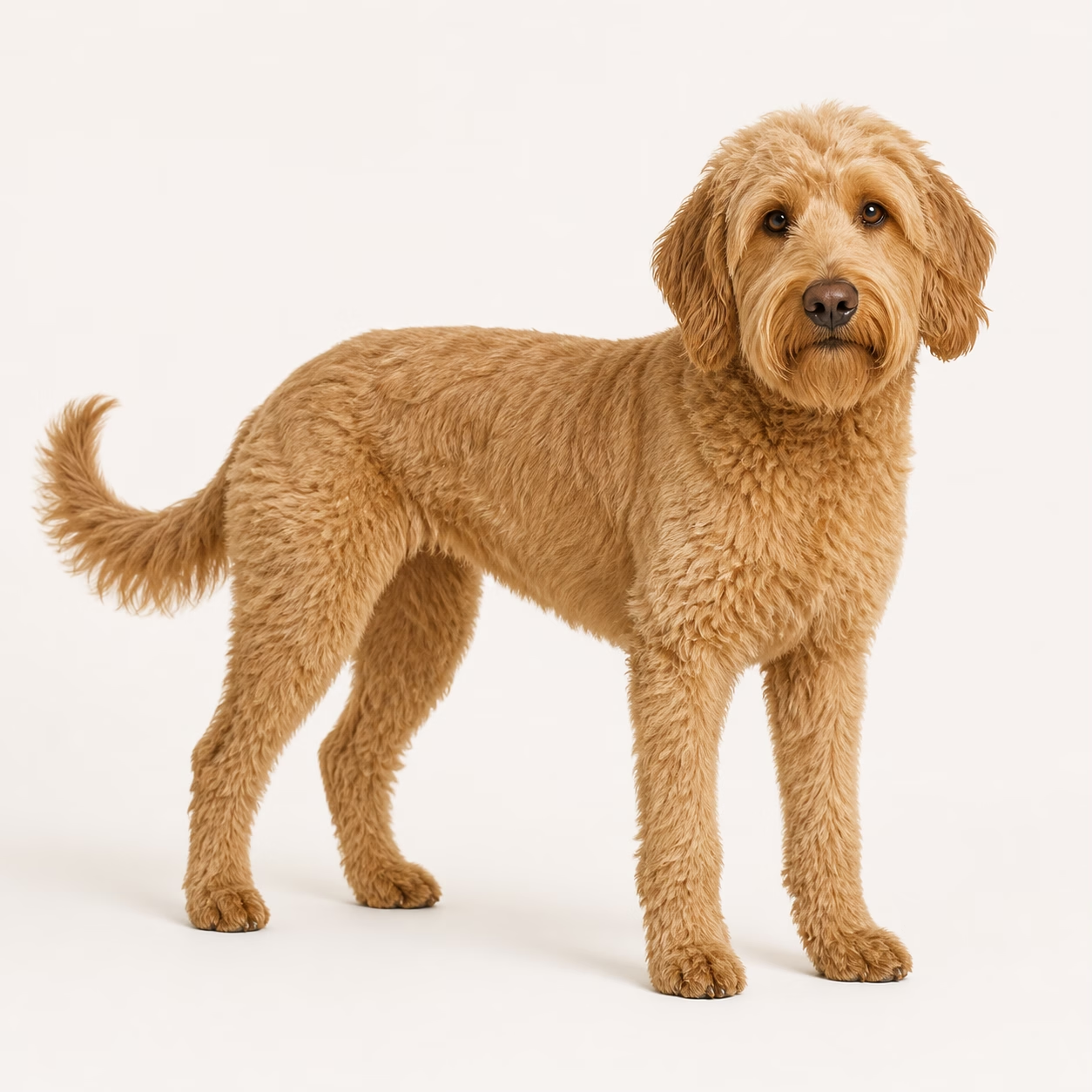 M
M Labradoodle
A Social Athlete in a Complicated Coat
Learn more → S
S Cockapoo
The Classic Companion Dog
Learn more →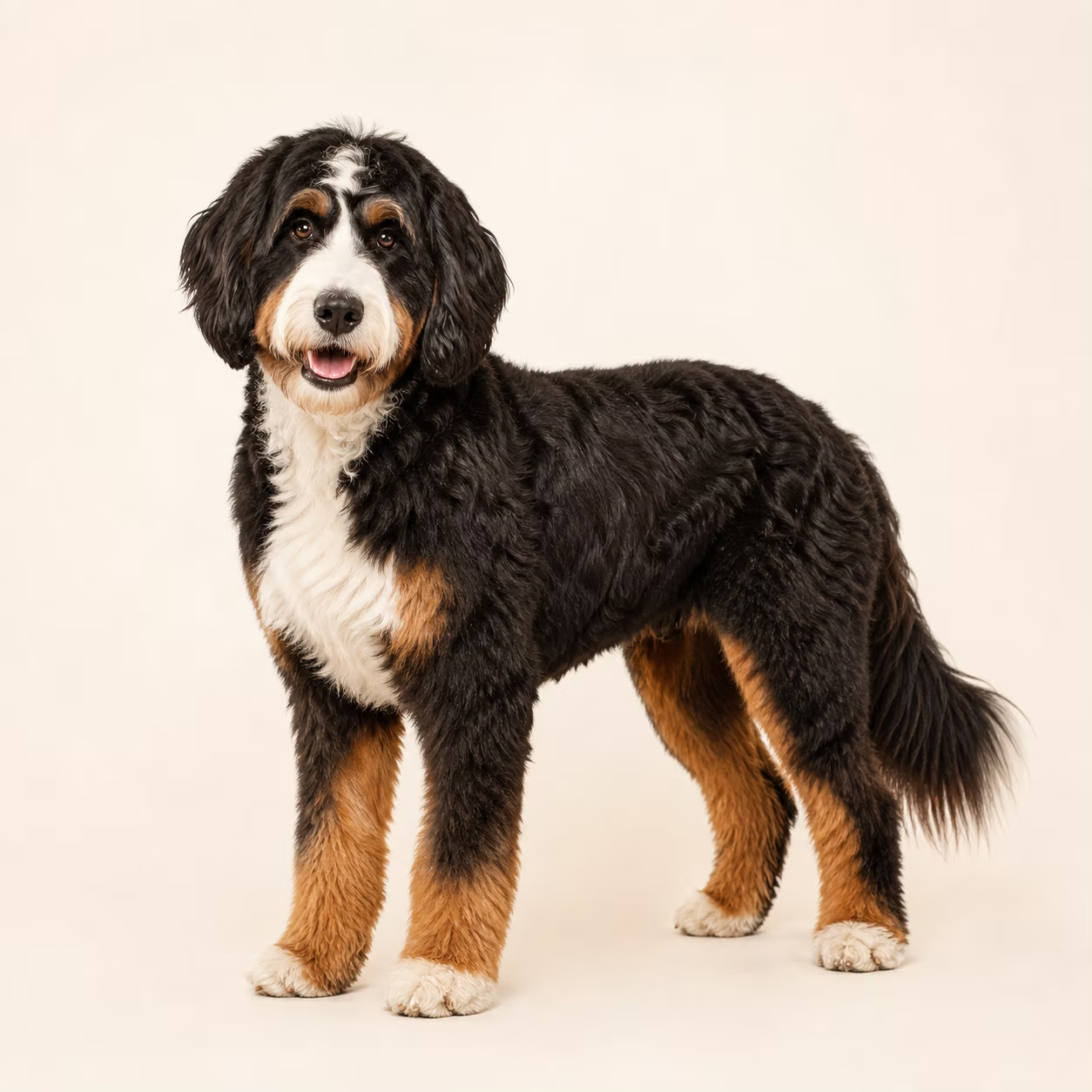 L
L Bernedoodle
The Mountain-Dog Heart in a Complicated Coat
Learn more → M
M Schnoodle
The Best of Both Worlds
Learn more →Goldendoodles can be wonderful family dogs: social, smart, affectionate, and eager to join in. They also vary more than the teddy-bear photos suggest. Look closely at both parents, plan for daily exercise, and assume the coat will need serious maintenance. If that still sounds good, the appeal is easy to understand.