What Is This Group
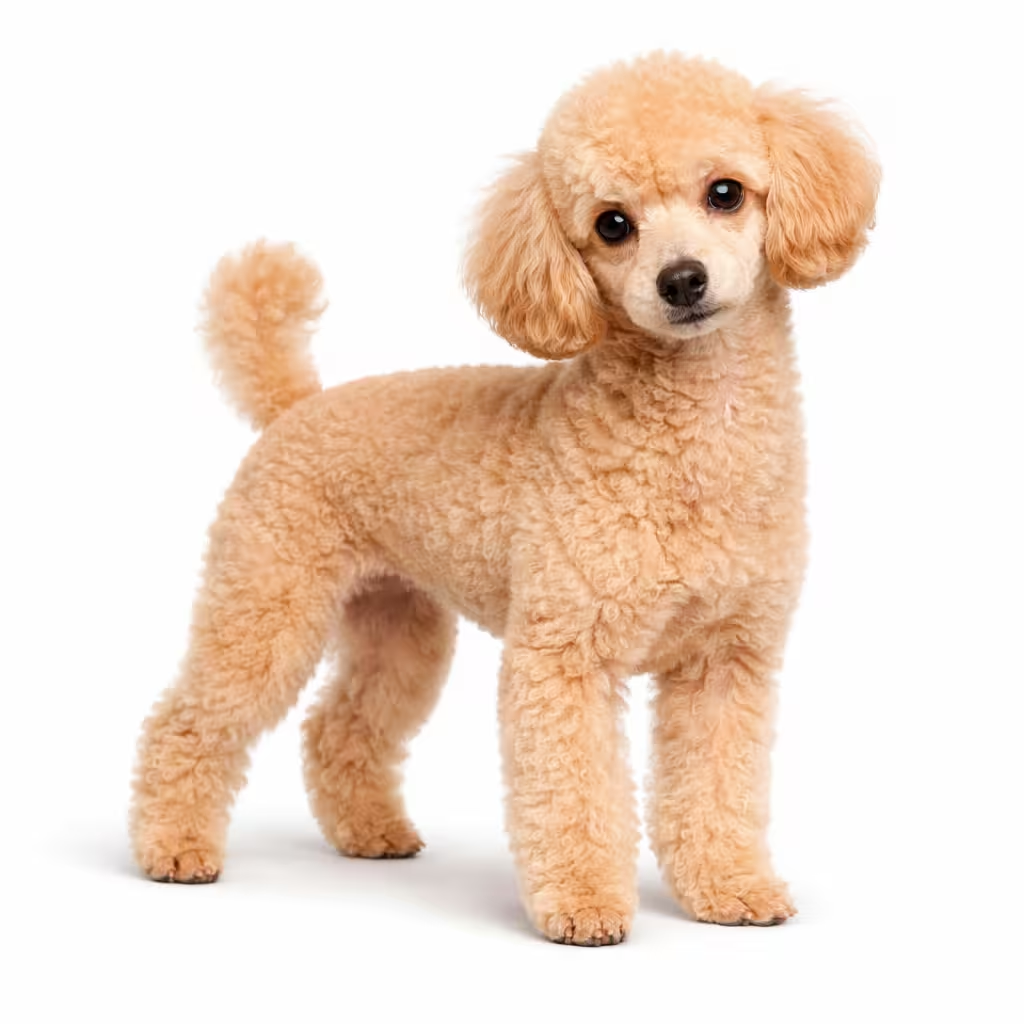
The AKC Toy Group includes some of the smallest dog breeds in the world. These dogs were developed primarily as companions and lap dogs, bred to live closely with humans rather than perform demanding physical work.
Despite their small size, toy breeds often have big personalities. Many are lively, alert, and deeply attached to their owners. Because they were bred for companionship, toy dogs typically enjoy being near people and participating in daily household activities.
Toy breeds come in many different coat types and temperaments, from the elegant Maltese and Papillon to the bold and charming Chihuahua and Pug. While their size makes them well suited for smaller living spaces, they still benefit from training, socialization, and regular interaction.
History
Toy breeds have a long history as companion animals for royalty, nobility, and families. For centuries, small dogs were favored for their portability, charm, and affectionate nature.
In many parts of the world, toy dogs became symbols of status and companionship. Breeds such as the Pekingese and Shih Tzu were historically kept by Chinese royalty, while the Italian Greyhound was popular among European aristocracy.
Over time, these dogs were selectively bred for small size, appealing appearance, and friendly temperaments that made them ideal indoor companions. Today, toy breeds remain popular with people who want a dog that can easily adapt to life in smaller homes or urban environments.
Training & Lifestyle Tips
Toy breeds often come with big-dog confidence in tiny packages. They’re smart and trainable, but can develop “small dog syndrome” if boundaries aren’t set early. Focus on positive reinforcement, but don’t skip structure just because they’re cute.
Their size makes them great for travel and indoor living, but they’re not low-maintenance. Many need regular grooming, dental care, and supervision outdoors. Predators, stairs, or even a misstep from a larger dog can pose risks.
Are They For You?
This group might be a great fit if:
- ✅ You want a small, affectionate companion
- ✅ You live in an apartment or travel often
- ✅ You enjoy doting on your dog and including them in daily life
- ✅ You can supervise interactions with kids or larger dogs
- ❌ You want a dog that can roughhouse or tolerate being alone for long stretches
- ❌ You prefer a more independent or hands-off dog
Traits
- Small stature, often under 10 pounds
- Affectionate and people-focused
- Confident and expressive
- Often portable and apartment-friendly
- May be prone to barking or clinginess
- Can be sensitive to rough handling
- Require regular socialization and supervision around children
Where Toy Dogs Want to Live
Toy dogs tend to thrive in homes where they can spend plenty of time with their owners.
Because they were bred primarily for companionship, many toy breeds form strong bonds with the people they live with and enjoy being included in everyday activities.
A good home for a toy dog often includes:
-
Owners looking for a close companion
-
Smaller living spaces such as apartments or condos
-
Families wanting a dog that can travel easily
-
Households that provide attention and interaction
Although toy breeds are small, they still need training, socialization, and mental stimulation. Without guidance, some toy dogs may develop behaviors like excessive barking or nervousness.
With consistent training and attention, toy breeds often become loyal, affectionate, and entertaining companions.
Group Comparison
The Toy Group differs from other AKC breed groups primarily in its focus on companionship and small size.
Compared with Sporting Dogs, which were bred for hunting and outdoor activity, toy dogs generally require far less physical exercise and are more suited to indoor living.
Compared with Working Dogs, which are often large and powerful, toy breeds were developed for closeness with humans rather than physical tasks.
Compared with Terriers, which were bred for pest control and often have high prey drives, toy dogs are typically more focused on companionship.
Although they are small, toy breeds can still be energetic and playful. Their personalities often make them engaging companions for owners who enjoy spending time interacting closely with their dog.