Schnoodle
AKA — Schnauzer Poodle Mix
The Best of Both Worlds
A playful, people-loving mix with brains to spare and energy to burn.

Breed traits at a glance
Needs daily walks, play, and interaction. Energy levels vary—miniature mixes need less than standard Schnoodles. Mental stimulation is important for preventing boredom.
Very trainable thanks to Poodle smarts. May inherit some Schnauzer stubbornness—keep sessions short, fun, and reward-based.
Usually excellent with respectful kids. Their playful nature and affectionate demeanor make them a popular family dog.
Curly or wavy coat needs brushing several times a week. Regular grooming is a must to avoid matting.
Can be alert and vocal, especially if they inherit more Schnauzer traits. Early training can help manage barking.
Yes. Most Schnoodles inherit the Poodle’s low-shedding coat, making them a good option for allergy-sensitive households.
The honest fit check
Is a Schnoodle right for you?
Great fit if…
- You are a first-time owner who will still make time for training, routine, and daily care.
- You can provide daily walks, play, and training instead of treating a yard as exercise.
- You want a responsive training partner and enjoy reinforcing good habits every day.
- You want strong family-dog potential and will still supervise children and dogs together.
Think twice if…
- You want a dog that can thrive without consistent training, routines, or attention.
- You want a dog whose needs are met by occasional walks and time in the yard.
- Regular brushing, shedding cleanup, and routine coat care sound like too much.
- You need a reliably quiet dog and do not want to train around alert barking.
Daily reality
- Exercise
- Moderate: Needs daily walks, play, and interaction.
- Shedding
- Low shedding, but coat or skin care still matters. No dog is allergen-free.
- Alone time
- Low tolerance for long absences. Build independence gradually and avoid regular all-day isolation.
- Grooming
- Medium: Curly or wavy coat needs brushing several times a week.
- Size
- 15–30 lbs · 10–15 in
Temperament & Personality
The Schnoodle is a hybrid dog—a cross between a Poodle and a Schnauzer. While not recognized by major kennel clubs like the AKC, the Schnoodle has grown in popularity among those seeking a smart, affectionate companion with potentially low-shedding qualities.
Often marketed as hypoallergenic, Schnoodles can inherit either coat type—tight Poodle curls or wiry Schnauzer fur—making their allergy-friendliness unpredictable. As with all hybrids, outcomes vary from dog to dog, and the promise of hybrid vigor (reduced likelihood of inherited diseases) is debated and not guaranteed.
Schnoodles are known for their intelligence, intuition, and eagerness to please. Many owners note how quickly their dogs pick up on daily routines—such as reacting to a glance at the door or the jingle of keys as a signal of departure. Their blend of Poodle smarts and Schnauzer loyalty makes them generally easy to train, though early socialization is crucial.
If not exposed to new people and pets while young, some Schnoodles may become territorial or distrustful of other dogs. They can also lean shy or reactive if not well-socialized. On the other hand, with proper care, they make alert, lively, and devoted companions.
Athletic and agile, Schnoodles enjoy activity and are often good matches for active individuals, including runners looking for a smaller canine partner. That said, they don’t require marathon-level exertion—regular play and moderate exercise are typically sufficient to keep them content.
Similar Dog Breeds: Cockapoo, Goldendoodle, Labradoodle, Miniature Schnauzer, Poodle (Miniature or Standard), Terrier mixes
What It's Like To Own One
Living with a Schnoodle feels like living with your happiest, most enthusiastic friend—they want to join every moment and will often make you laugh doing it. Whether it’s fetching a toy, shadowing you from room to room, or barking their opinion on the mail delivery, they’re fully engaged and ready for action.
They’re whip-smart and eager to please—but that cleverness comes with a spark of sass. You’ll want to stay one step ahead with consistent training, new tricks, and interactive games. Leave them bored or ignored, and they’ll find their own (less charming) ways to entertain themselves.
But when you meet their energy with love and structure, a Schnoodle becomes an affectionate, trainable, hilariously expressive companion who fits beautifully into an active, emotionally attuned home. They’re the kind of dog who makes everyday moments more joyful—just by being part of them.
I am:Kristen Wiig
Clever, quirky, expressive, and able to make any room lighter—Kristen Wiig fits the Schnoodle’s bright comic energy.
Famous & Fictional Owners
People and characters whose lifestyle, energy, and identity fit this breed.
Jack Black
Warm, goofy, expressive, and always ready to play, Jack Black would be a Schnoodle’s ideal audience.
Kristen Bell
Bright, clever, affectionate, and comfortable laughing at herself, Kristen Bell would celebrate a Schnoodle’s brains and charm.
Olaf
Cheerful, affectionate, social, and determined to befriend everyone, Olaf matches a Schnoodle’s upbeat companionship.
Dating Profile
I’m a fluffy brainiac with a streak of sass. I’ll do tricks, snuggle hard, and sound the alarm if a leaf blows by—what’s not to love? I’m looking for someone who appreciates intelligence, loves a little quirk, and doesn’t mind a bit of vocal commentary on the world. I thrive on attention, routines, and showing off my skills. Whether we’re learning a new game, going for a walk, or just hanging on the couch, I’ll be there—ready to charm, protect, and entertain.
Where They Want To Live
Schnoodles thrive in homes where they’re treated like full-fledged family members—talked to, trained with, and included in daily life. They’re flexible in terms of space: equally at home in a well-run apartment or a lively house, so long as they get regular activity, mental stimulation, and plenty of connection.
They do best with people who appreciate a clever dog with opinions. Routine helps them feel secure, while interactive play, short training sessions, or puzzle toys help burn off energy and satisfy their sharp minds. Homes with too much chaos—or too little engagement—don’t suit them. Schnoodles want purpose, play, and a place in your day-to-day.
Things To Know
- Coat care is essential
- Barking can be an issue
- Needs early socialization
- Energy varies by parentage
- Prone to separation anxiety
Gear Guide
- Slicker brush and grooming comb
- Regular grooming appointments
- Puzzle toys and training games
- Crate for downtime
- Lightweight leash and harness
Health Watch: Common Breed Risks
While generally healthy, Schnoodles may inherit issues from either parent breed:
- Hip dysplasia
- Progressive retinal atrophy (PRA)
- Addison’s disease
- Patellar luxation
- Skin sensitivities or allergies
Coat, Shedding & Grooming Needs
Curls, waves, and everything in between:
- Coat type varies—some are wavy like a doodle, others more wiry like a Schnauzer
- Common colors: black, gray, apricot, white, cream, or multicolored mixes
- Low-shedding but needs regular grooming—brushing 3–4x per week and trims every 6–8 weeks
- Prone to matting if not maintained
Diet & Nutrition Needs
Keep their energy up and their weight in check:
- Feed high-quality food suited to their size and activity level
- Watch portions—especially with smaller Schnoodles prone to weight gain
- Many do well on small-breed formulas with added omega-3s for coat health
- Monitor for food allergies—some are sensitive to common proteins or fillers
- Use training treats mindfully—these clever dogs love to earn snacks
Health Care Tips
Smart care for a smart dog:
- Regular grooming and ear cleaning prevent irritation
- Prioritize early training and enrichment to head off boredom-related behaviors
- Dental care matters—daily brushing if possible
- Regular vet visits help catch inherited conditions early
- Daily walks and interactive play = mental health and physical balance
Related Breeds
 S
S Miniature Schnauzer
Small Beard, Big Boss Energy
Learn more → M
M Poodle
Elegance Meets Brains
Learn more → S
S Cockapoo
The Classic Companion Dog
Learn more →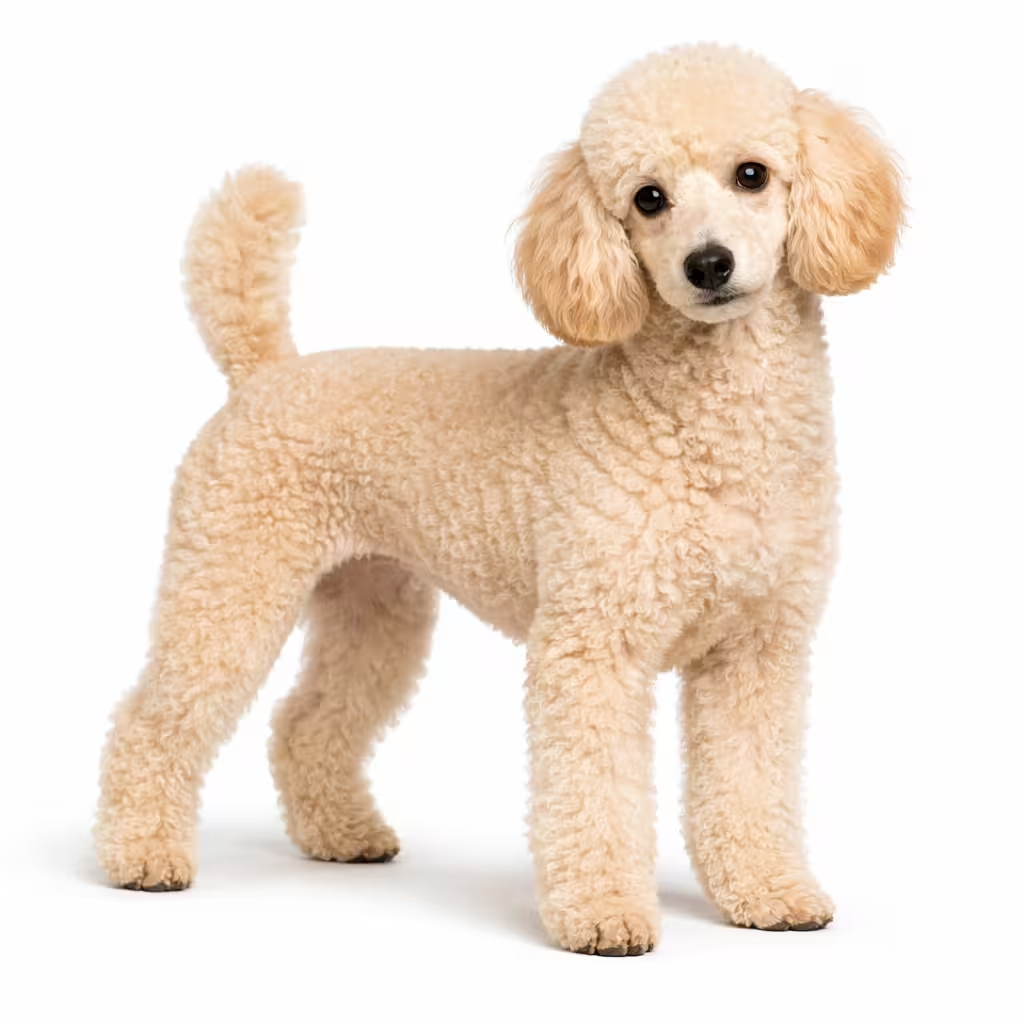 S
S Miniature Poodle
Brains, Bounce, and Balance
Learn more →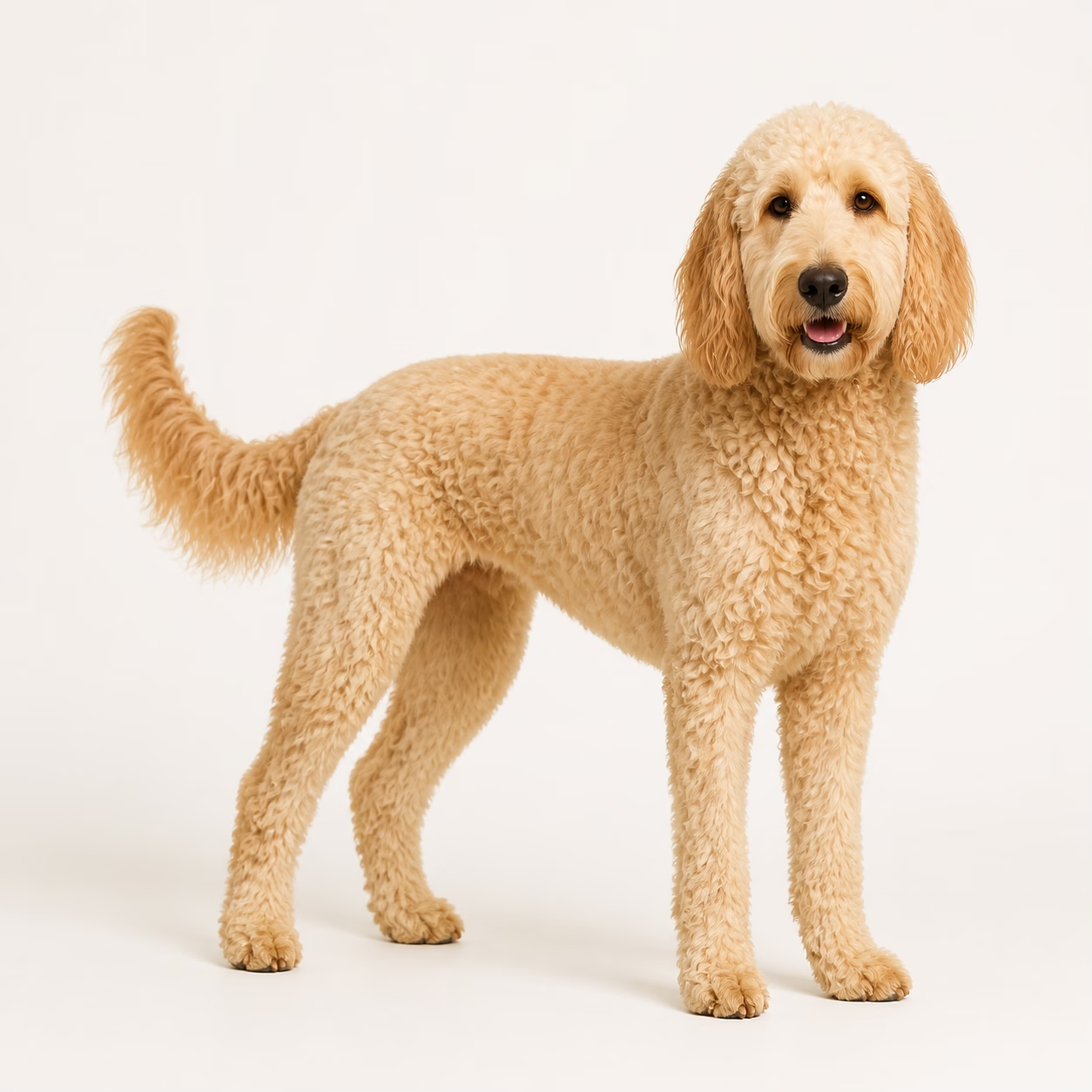 M
M Goldendoodle
The Family Favorite With a Grooming Schedule
Learn more →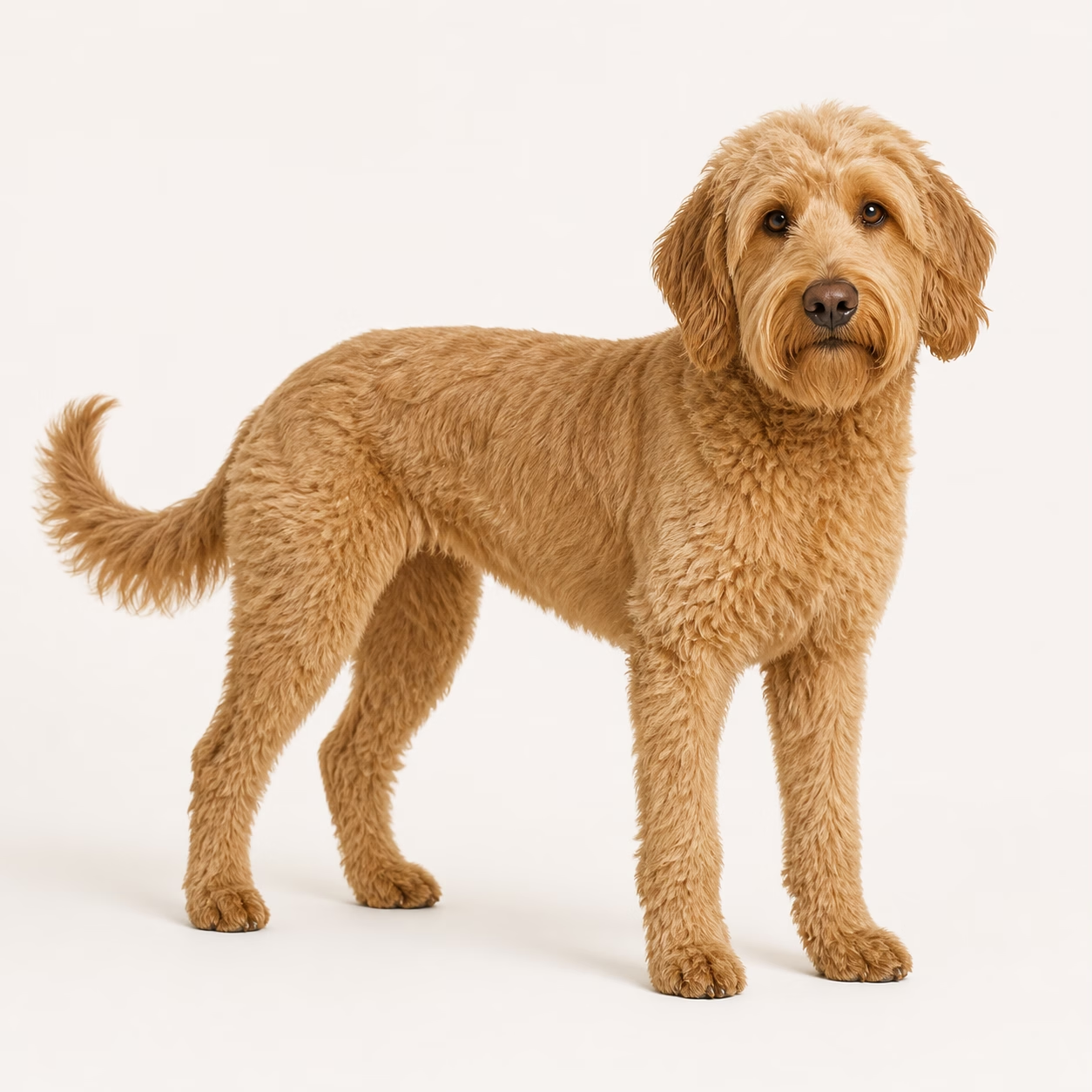 M
M Labradoodle
A Social Athlete in a Complicated Coat
Learn more →The Schnoodle is a bubbly, brainy hybrid with a heart of gold. Their low-shedding coat, trainable nature, and cheerful personality make them one of the most popular doodle mixes around. They bring together the Schnauzer’s boldness and the Poodle’s smarts in a fun-sized, affectionate package. With the right balance of mental stimulation, attention, and grooming, Schnoodles are easy to love—and hard to imagine life without.