Bernedoodle
AKA — Bernese Mountain Poo
The Mountain-Dog Heart in a Complicated Coat
Bernedoodles are affectionate Bernese–Poodle crosses whose size, coat, shedding, energy, and temperament can vary widely. The charm is easy; predicting the adult dog takes work.
Breed traits at a glance
Many enjoy long walks, play, training, and family outings. Energy can lean toward the steady Berner or the busier Poodle, so meet adult relatives when possible.
Poodle quickness and Bernese cooperation can make training rewarding. Some dogs are sensitive or slow to mature, and cheerful consistency works better than pressure.
Many are affectionate family companions. Larger adolescents can knock children over, while smaller dogs may be less sturdy, so supervision still matters.
Wavy and curly coats can mat close to the skin. Thorough brushing, comb checks, and regular professional grooming belong in the household calendar.
Some inherit the Berner's alert bark; others add Poodle commentary. Early work on visitors, windows, and settling can keep the volume livable.
A Bernedoodle may shed lightly or heavily, and no generation label guarantees allergy compatibility. Spend time with the individual dog before deciding.
The honest fit check
Is a Bernedoodle right for you?
A Bernedoodle can be a warm, funny family dog. The best matches are comfortable with a range of possible outcomes rather than expecting a predictable teddy bear.
Great fit if…
- You want an affectionate companion who is happiest near family life.
- You can choose a breeder by parent temperament and public health records.
- You are ready for daily activity, patient training, and a long adolescence.
- Professional grooming and thorough home brushing fit your time and budget.
Think twice if…
- You need a guaranteed adult size, coat texture, shedding level, or temperament.
- Anyone in the home needs a dog proven to be allergy-safe.
- You cannot commit to combing all the way to the skin between grooming appointments.
- A powerful adolescent who may mature slowly would overwhelm your household.
Daily reality
- Exercise
- Daily walks, play, sniffing, and training, adjusted to the individual dog's energy and build.
- Shedding
- Anything from light to substantial; coat appearance alone cannot predict it.
- Alone time
- Usually people-oriented; teach relaxed independence before constant company becomes an expectation.
- Grooming
- Comb to the skin several times weekly and maintain regular professional grooming.
- Size
- Often medium to large, but parent size and breeding line can change the outcome considerably.
Temperament & Personality
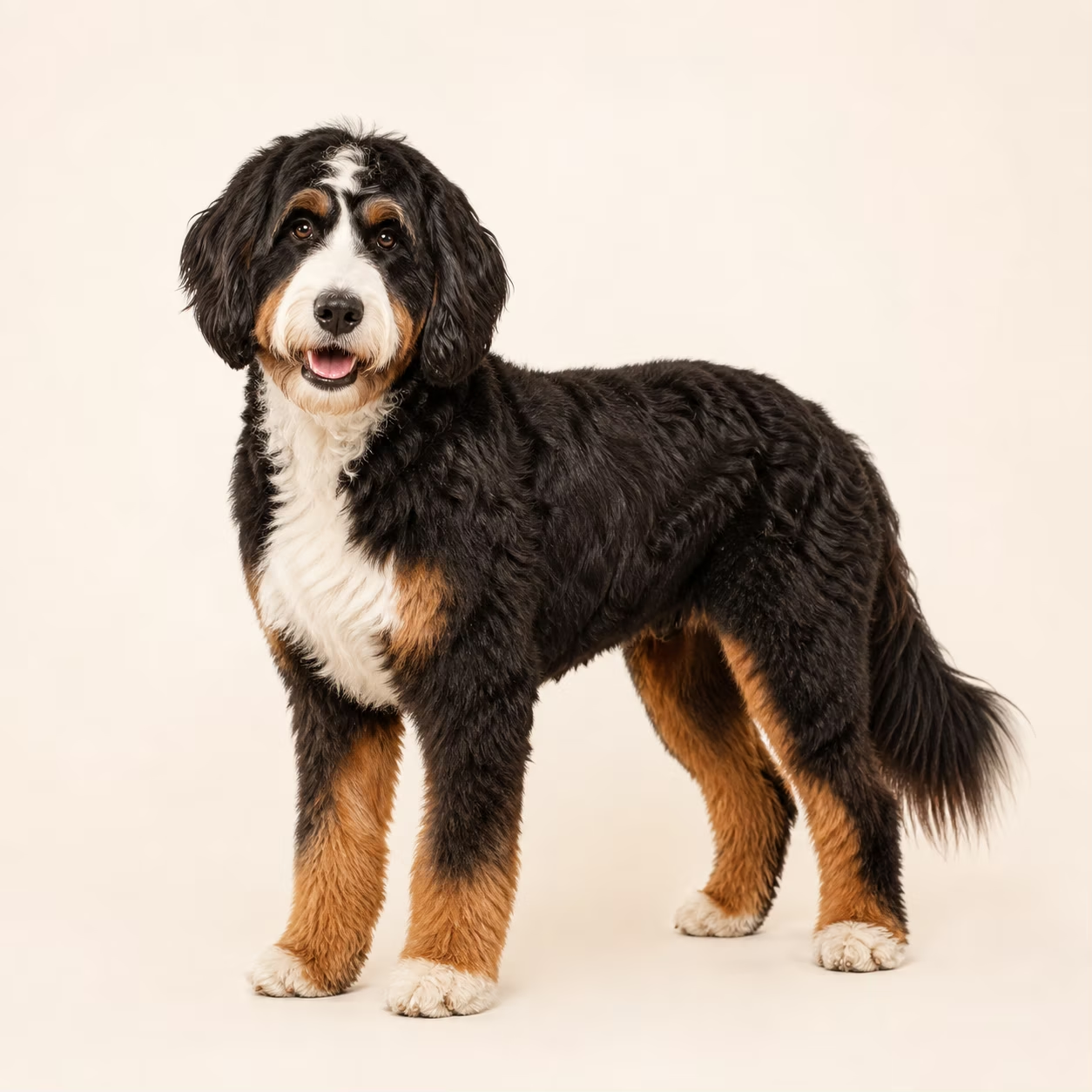
A Bernedoodle is an intentional cross between a Bernese Mountain Dog and a Poodle. The name covers first-generation crosses, backcrosses, and multigenerational dogs produced from parent dogs of different sizes. There is no AKC breed standard tying all of those dogs to one height, coat, or temperament.
Bernese Mountain Dogs tend to bring size, family attachment, and a steadier working style. Poodles contribute athleticism, quick learning, and a coat that grows continuously. A puppy can inherit any mix of those traits. Even littermates may differ in confidence, sensitivity, energy, furnishings, and shedding.
Many Bernedoodles are social dogs who form close bonds and enjoy training when it feels cooperative. Some carry the Berner's thoughtful pace; others process the room with Poodle speed. Either version benefits from early exposure to friendly people, ordinary sounds, grooming, car rides, and short periods alone.
Color gets disproportionate attention in this cross. Tricolor markings are striking, but they reveal little about joint health, resilience, or how the dog handles frustration. Those qualities live in the parents, the pedigree, early development, and the work that happens after the puppy comes home.
What It's Like To Own One
A Bernedoodle often behaves as though family life has assigned seating and its place is touching yours. It may follow you between rooms, lean against your legs while you cook, and sleep through a movie with one eye open in case somebody suggests a walk.
The puppy stage can feel less plush. A growing dog may be large enough to reach the counter long before it has learned to keep four feet down. Some mature slowly, mixing an adult body with months of exuberant greetings, stolen socks, and sudden uncertainty about objects that were harmless yesterday. Patient, consistent repetition matters.
Coat care quietly becomes one of the biggest parts of the week. The surface can look brushed while tangles tighten at the skin. A comb tells the truth. Once owners learn the technique and keep appointments, grooming becomes routine; when it slips, the dog pays for it in painful mats and a drastic haircut.
The reward is a companion with tremendous presence and warmth. A good Bernedoodle can move from family hike to kitchen floor to sofa-side nap with genuine pleasure, provided the people chose the dog behind the teddy-bear image.
I am:Po from Kung Fu Panda
Big-hearted, food-motivated, unexpectedly athletic, gloriously fluffy, and able to turn awkward enthusiasm into part of the charm.
Famous & Fictional Owners
People and characters whose lifestyle, energy, and identity fit this breed.
Joanna Gaines
A family-centered home, practical routines, room to move, and no fear of a recurring maintenance schedule suit the Bernedoodle well.
Jimmy Fallon
Playful, social, approachable, and ready to laugh when a large fluffy adolescent turns a normal evening into a bit.
Mandy Moore
Warm family energy, outdoor time, and the patience to raise a sensitive dog make this a believable everyday match.
Dating Profile
I am affectionate, photogenic, and available to supervise every room in the house. My family tree includes a Bernese Mountain Dog and a Poodle, so I may grow larger, curlier, straighter, busier, or shed more than the brochure predicted. I enjoy walks, training, leaning against your clean clothes, and turning rain into a full grooming event. Bring a comb, a sense of humor, and flexible expectations.
Where They Want To Live
Bernedoodles do best where companionship, exercise, training, and grooming are built into ordinary life. A fenced yard helps with a larger dog, but the dog still wants to go somewhere with you. Smaller individuals can adapt to apartments when barking, movement, and coat care are handled consistently.
Climate matters. Dense coats can make hot summers uncomfortable, while mud, snow, and rain all come home in the furnishings. Air conditioning, drying space, washable rugs, and room for a large crate may matter more than the style of the house.
Things To Know
- Bernedoodle means Bernese and Poodle ancestry, not an AKC breed
- Mini, medium, and standard are breeder labels, not a universal standard
- Coat, shedding, energy, and temperament can vary within one litter
- A low-shedding parent cannot guarantee allergy compatibility
- Responsible breeding requires health testing for both parent breeds
Gear Guide
- Long-pin slicker and stainless-steel comb
- Large washable settle mat
- Front-clip harness for leash training
- Food puzzles and retrieving toys
- Absorbent towels for wet coats and beards
Health Watch: Common Breed Risks
A Bernedoodle can inherit health risks found in either parent breed. Ask for the registered names of both parents, then verify their results rather than accepting a generic DNA-panel screenshot.
- Hip and elbow dysplasia
- Inherited eye disease
- Cardiac disease
- Degenerative myelopathy and von Willebrand disease
- Poodle-line conditions such as sebaceous adenitis, thyroid disease, or Addison's disease
- Cancer risk present in Bernese Mountain Dog pedigrees
Coat, Shedding & Grooming Needs
Bernedoodle coats may be straighter, wavy, or curly, with or without facial furnishings. Soft hair that sheds less often stays in the coat and tangles there.
- Brush in sections from the skin outward several times each week
- Follow with a metal comb, especially behind ears and under harness straps
- Keep a regular clipping schedule with a groomer experienced in dense mixed coats
- Expect the adult coat to behave differently from the puppy coat
- Dry the beard, ears, feet, and coat thoroughly after water or snow
Diet & Nutrition Needs
Adult size may remain uncertain for months, so feed the puppy in front of you and review growth with a veterinarian rather than chasing a predicted label.
- Choose a complete and balanced food suited to the puppy's growth pattern and likely adult build
- Keep growing dogs lean enough that ribs are easy to feel
- Measure meals and count training rewards toward daily intake
- Use calm feeding routines and discuss bloat risk if the dog matures large and deep-chested
- Investigate persistent skin or digestive trouble with a veterinarian
Health Care Tips
A cross label provides no health clearance. Good breeder research means checking the health programs for both the Bernese and Poodle sides of the pedigree.
- Verify orthopedic, eye, cardiac, and relevant DNA results in public databases
- Ask how the breeder used the results when choosing the pairing
- Teach calm handling of feet, face, ears, and legs before the adult coat arrives
- Protect growing joints from repetitive high-impact activity
- Maintain a lean body condition and keep emergency veterinary costs in the budget
This breed is especially well-suited for:
Related Breeds
 XL
XL Bernese Mountain Dog
Fluffy strength, Swiss-born sweetness.
Learn more → M
M Poodle
Elegance Meets Brains
Learn more → M
M Goldendoodle
The Family Favorite With a Grooming Schedule
Learn more → M
M Labradoodle
A Social Athlete in a Complicated Coat
Learn more → XL
XL Newfoundland
Gentle Giant of the North
Learn more → M
M Schnoodle
The Best of Both Worlds
Learn more →Bernedoodles can be affectionate, funny companions who bring Poodle cleverness and Bernese warmth into family life. They can also mature into very different dogs under the same name. Choose the parents and breeder more carefully than the color, plan for a demanding coat, and leave room for the adult dog to surprise you.