
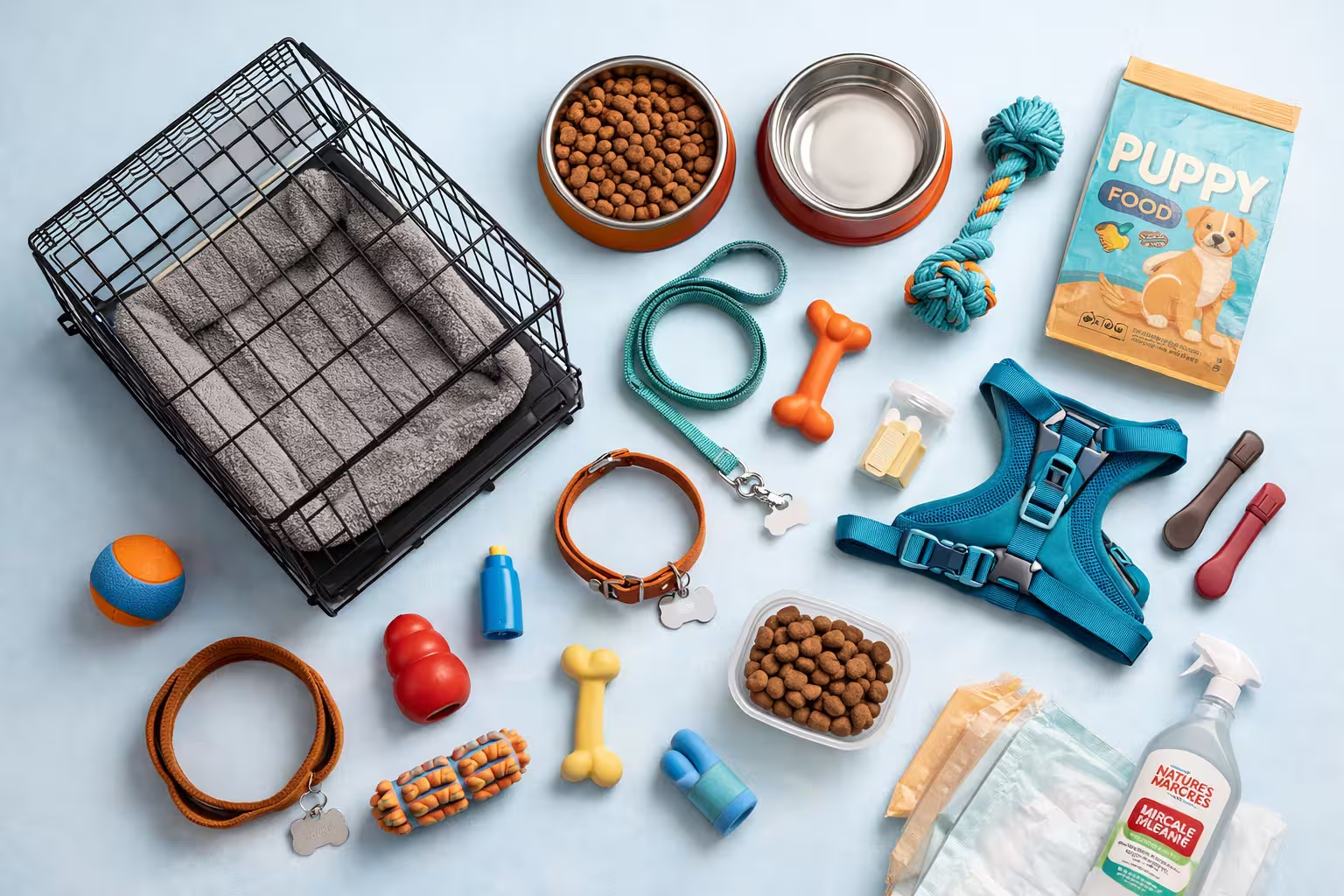
Bringing home a puppy is exciting. It’s also one of the few times in life where you walk into a store planning to buy a couple things and somehow leave with $300 worth of dog gear.
Pet stores are designed that way.
There are walls of toys, dozens of harness types, fancy food bowls, and more beds than most humans own. For a new puppy owner, it’s easy to overspend and still miss the essentials.
This puppy supplies checklist cuts through the noise.
Below you’ll find the exact items most puppies actually need before coming home, organized by category so you can prepare your house without wasting money on things that won’t survive puppyhood.
If you prefer a simple version you can take to the store, download the Printable Puppy Supplies Shopping List.
In this guide:
- The Complete Puppy Supplies Checklist
- Feeding Supplies
- Sleeping Supplies
- Walking Supplies
- Training Supplies
- Cleaning Supplies
- Grooming Supplies
- Safety Supplies
- Toys and Enrichment
- The 10 Puppy Supplies You Truly Need Before Day One
- Puppy Supplies You Don’t Need Immediately
- How Much Do Puppy Supplies Cost?
The Complete Puppy Supplies Checklist
Here are the core categories of supplies most new puppy owners should prepare before bringing their dog home.
Feeding Supplies
Your puppy will eat multiple times a day, so a simple and reliable feeding setup is important.
Puppy feeding checklist
- High-quality puppy food (same brand the breeder or shelter uses at first)
- Stainless steel food bowl
- Stainless steel water bowl
- Measuring scoop
- Food storage container (optional but helpful)
Pro tip:
Stick with your puppy’s current food for the first week. Sudden food changes are one of the most common causes of stomach upset when puppies move to a new home.
Sleeping Supplies
Puppies sleep 18–20 hours per day, so their sleeping setup matters more than most new owners realize.
Sleeping checklist
- Crate
- Crate divider
- Crate bedding or crate mat
- Puppy blanket (optional)
A crate is especially helpful for:
- house training
- preventing destructive chewing
- helping your puppy settle at night
Metal wire crates with adjustable dividers tend to work best for growing puppies — the MidWest iCrate is the one most trainers reach for first.
For recommendations, see our guide to the Best Puppy Crates for Training.)
Walking Supplies
Even young puppies will begin short walks once their vet approves outdoor activity.
Walking checklist
- Adjustable collar
- ID tag with your phone number
- 4–6 foot leash
- Front-clip harness
Avoid retractable leashes for puppies. They tend to encourage pulling and can be difficult to control during early leash training.
Learn more in Puppy Harness vs Collar: Which Is Better for Training?
Training Supplies
Training starts the moment your puppy arrives home. Having a few simple tools ready makes the process much easier.
Training checklist
- Small, soft training treats
- Treat pouch (optional)
- Clicker (optional)
Training treats should be:
- small
- soft
- easy to chew quickly
Crunchy biscuits slow training sessions down.
For recommendations, see our guide to the Best Puppy Training Treats.
Cleaning Supplies
Potty training accidents will happen. Having the right cleaning tools nearby saves a lot of frustration.
Cleaning checklist
- Poop bags
- Poop bag holder
- Enzymatic cleaner
- Paper towels
Enzymatic cleaners break down the proteins in urine so dogs don’t continue returning to the same spot.
Regular household cleaners usually just mask the smell.
For walks, Earth Rated makes the standard poop bags — thick enough not to tear, lavender-scented (or unscented), and they fit most dispensers.
See How to Potty Train a Puppy for the full training process.
Grooming Supplies
Basic grooming habits should start early so your puppy becomes comfortable with handling.
Grooming checklist
- Dog-safe shampoo
- Brush appropriate for your dog’s coat
- Nail clippers or nail grinder
- Dog toothbrush
- Dog toothpaste
Breed matters here. Long-haired dogs require more brushing tools than short-coated breeds.
Safety Supplies
A few simple items help keep your puppy safe while they learn house rules.
Safety checklist
- Baby gates
- Exercise pen
- Car restraint or travel crate
- Microchip (through your vet)
These tools help limit your puppy’s access to areas where they might get into trouble.
For a full safety walkthrough, see our Puppy Proofing Checklist.
Toys and Enrichment
Puppies chew constantly during the teething stage. The right toys protect your furniture and help soothe sore gums.
Puppies explore the world with their mouths, especially during the teething stage between 3 and 6 months. Providing appropriate chew toys not only protects your furniture, but also helps soothe sore gums and redirect chewing behavior.
Toy checklist
- Rubber chew toys
- Food-stuffable toys
- Rope toy (supervised)
- Teething chew toys
Many owners find it helpful to rotate toys so puppies stay interested.
If you only buy one chew toy, make it a Kong Classic — durable rubber for chewing, hollow inside so you can stuff it with treats or peanut butter when the chewing intensifies.
For detailed recommendations, see Best Puppy Toys for Teething.
The 10 Puppy Supplies You Truly Need Before Day One
If you want to keep things simple, these are the items you should have ready before bringing your puppy home.
- Crate with divider
- Crate bedding
- Puppy food
- Food and water bowls
- Collar and ID tag
- Leash
- Harness
- Chew toys
- Training treats
- Poop bags and enzymatic cleaner
Everything else can be added later as you learn your puppy’s preferences.
Puppy Supplies You Don’t Need Immediately
Pet stores are full of products that look helpful but aren’t necessary during the first few months.
Common purchases new puppy owners regret include:
Expensive dog beds - Most puppies chew them.
Large toy collections - Many puppies focus on just a few favorites.
Dog outfits - Cute, but completely optional.
Automatic feeders and fountains - Convenient upgrades later, not essential for new puppies.
Puppy shoes - Only useful in extreme weather conditions.
A good rule of thumb is simple:
If you’re not sure you need something yet, wait.
How Much Do Puppy Supplies Cost?
Costs vary based on the quality you choose. The smart move is to spend most of your budget on the crate and skimp on everything else.
A divider-style metal crate like the MidWest iCrate grows with your puppy and lasts the dog’s whole life. One purchase, a decade of use.
Food, bowls, leash, harness, basic toys, and cleaning supplies combined usually cost less than the crate. Skip the “starter bundles” pet stores stack by the door. They look comprehensive and tend to double what you actually need.
Start with the 10 essentials above, then add more once you know what your puppy responds to.
Download the Printable Puppy Supplies Shopping List
Want a simple version you can bring to the pet store?
Download the Printable Puppy Supplies Shopping List to keep your shopping focused and avoid impulse buys.
If you want deeper step-by-step guidance for the first months of puppy ownership, the book Help! I Got a Puppy walks through everything from the first night home to potty training and early behavior challenges.

