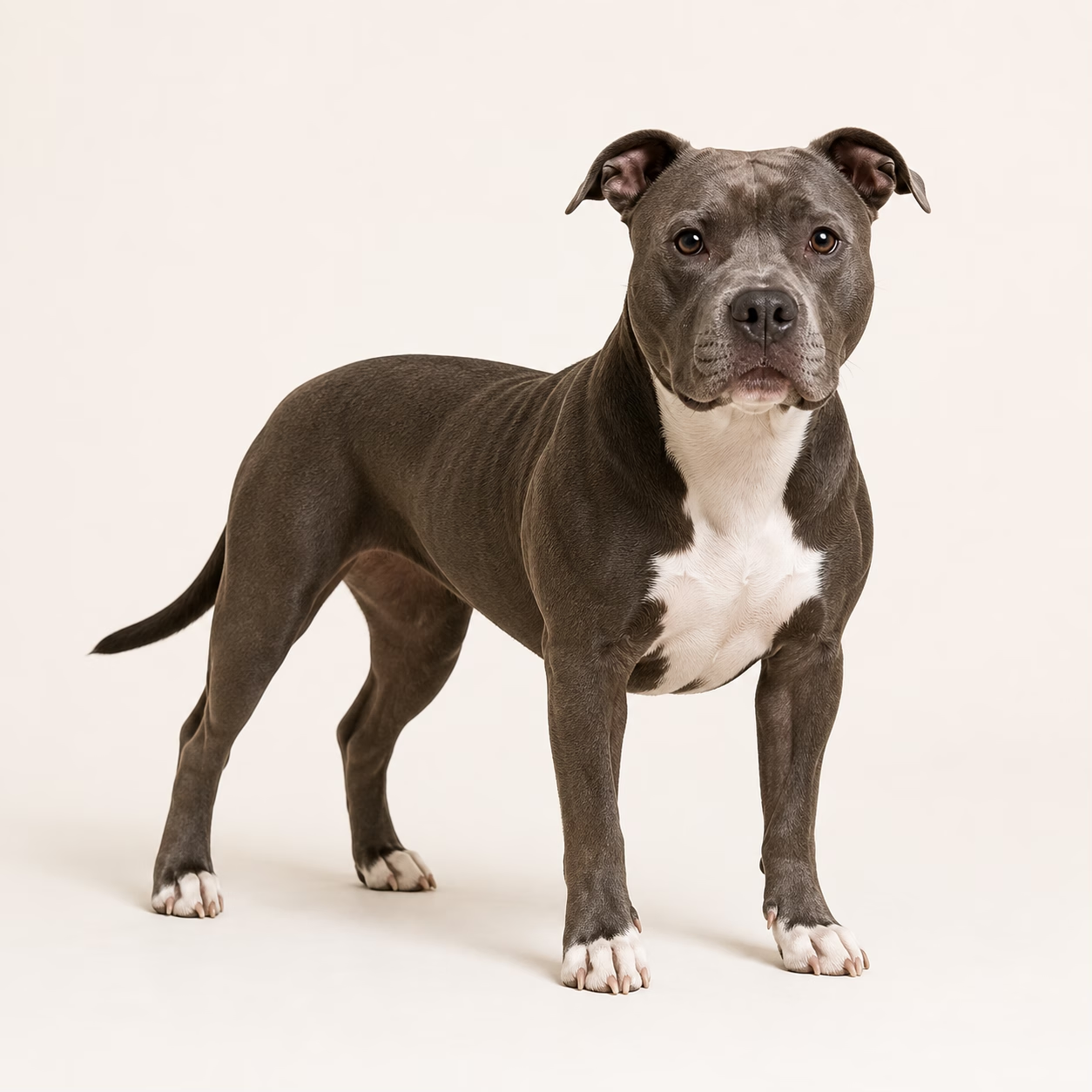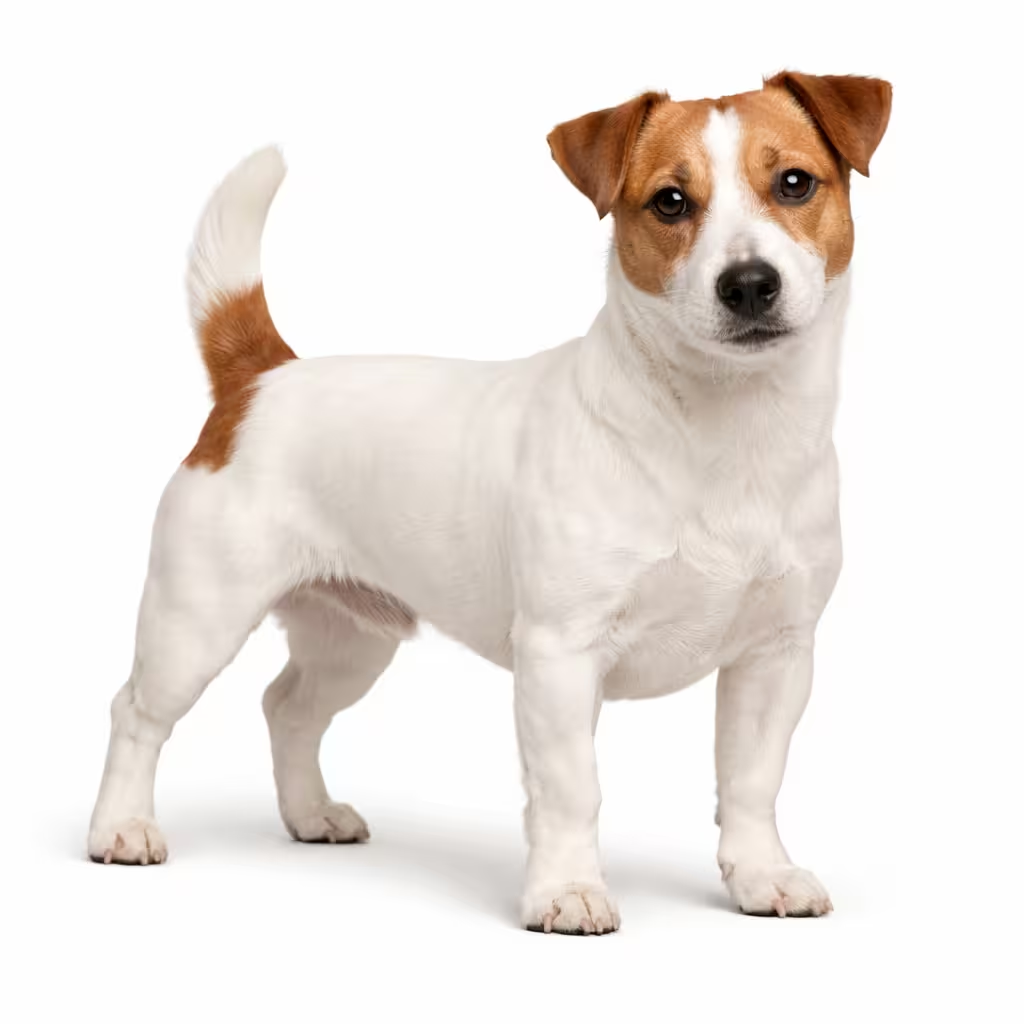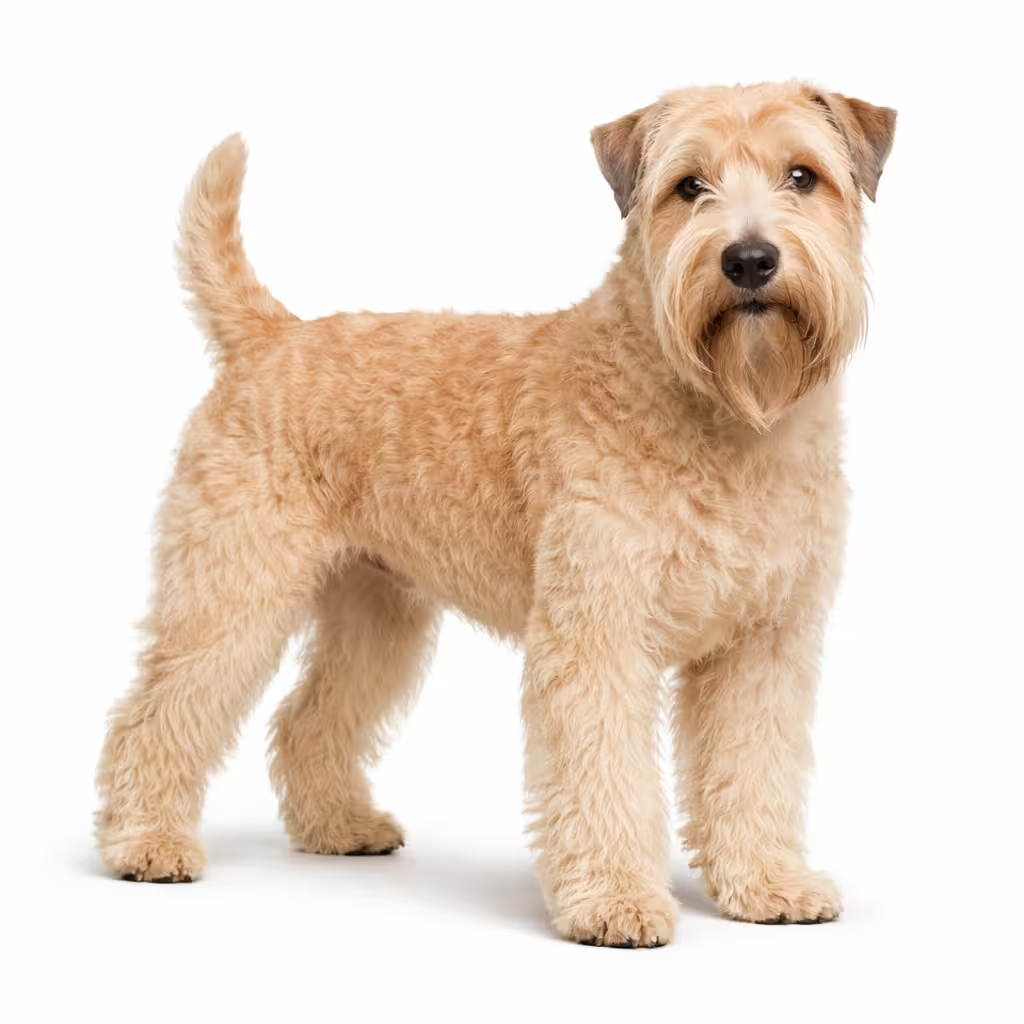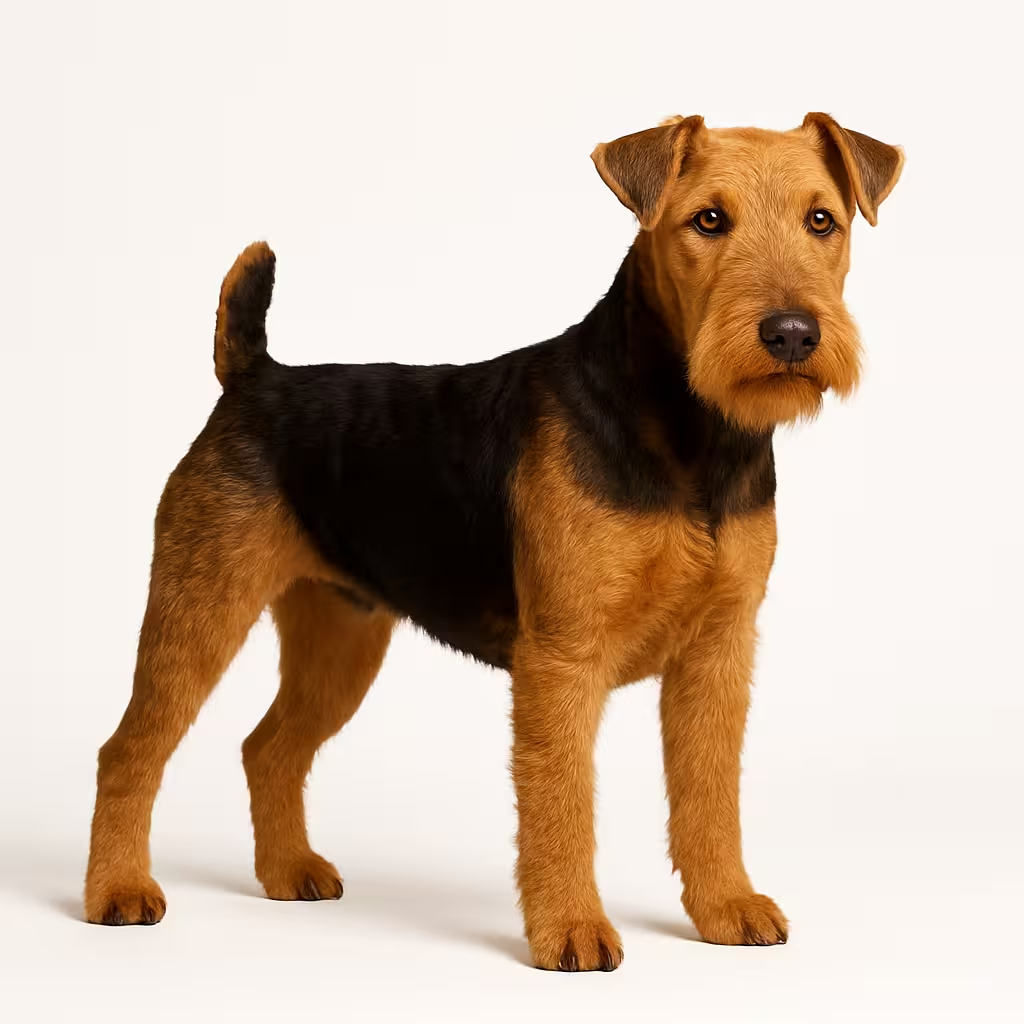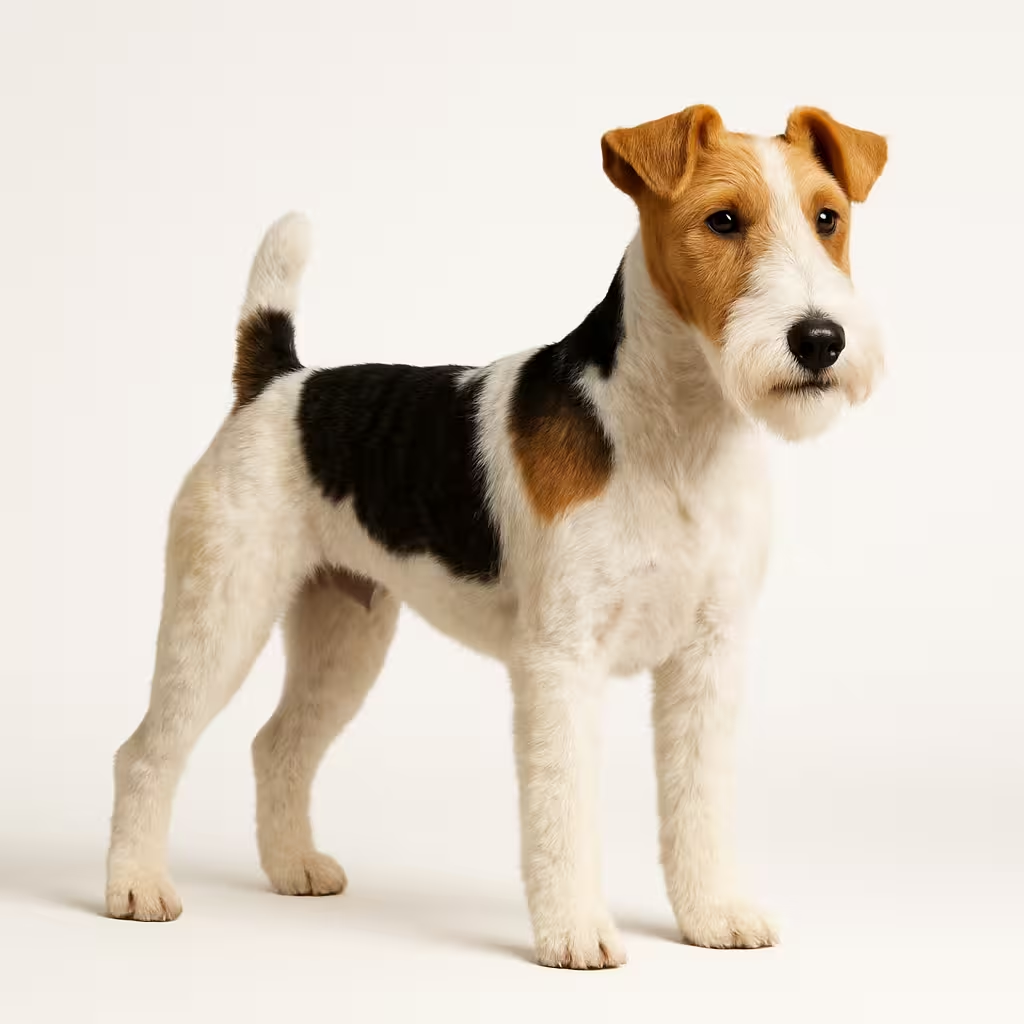
What Is This Group
The AKC Terrier Group includes breeds originally developed to hunt and eliminate small pests such as rats, foxes, and other burrowing animals. The name “terrier” comes from the Latin word terra, meaning earth, because many of these dogs were bred to chase prey into underground dens.
Terriers are known for their bold personalities, intense determination, and fearless attitudes. Despite their often small to medium size, many terriers behave with remarkable confidence and independence.
Because they were bred to work without constant direction from humans, terriers often have strong instincts and a stubborn streak. With proper training and outlets for their energy, however, they can be entertaining, loyal, and lively companions.
History
Terrier breeds originated primarily in the British Isles, where farmers and hunters relied on small, tough dogs to control rodent populations and pursue burrowing animals. These dogs needed to be quick, fearless, and persistent enough to follow prey underground or into dense brush.
Different regions developed their own terrier types depending on the kind of pests they needed to control. Over time, these regional dogs evolved into distinct breeds such as the Airedale Terrier, Border Terrier, and Scottish Terrier.
Although many terriers today live primarily as companions, their original purpose still influences their personalities. Traits like high prey drive, determination, and alertness remain hallmarks of the group.
Training & Lifestyle Tips
Terriers love to chase, dig, and explore. All great traits if properly managed. They benefit from early, consistent training, especially around recall and leash manners. Without enough exercise or structure, they’ll invent their own chaos.
Don’t mistake their size for simplicity. Many Terriers need more stimulation and boundaries than larger breeds. Keep them busy with scent work, puzzle toys, or agility, and embrace their spirited nature rather than trying to suppress it.
Earthdog is one outlet that turns go-to-ground instinct into structured enrichment. Leema Kennels’ preparation guide (opens in a new tab) shows owners how to begin with simple cardboard tunnels, a gradually reduced food trail, and a consistent “tunnel” cue before asking a dog to navigate an event-length course.
Are They For You?
This group might be a great fit if:
- ✅ You want a confident, entertaining companion
- ✅ You enjoy training, games, or agility sports
- ✅ You don’t mind a little noise or mischief
- ✅ You’re okay with a strong personality in a small body
- ❌ You want a dog that’s quiet, calm, or easily off-leash
- ❌ You have small pets or prefer a super cuddly companion
Traits
- Energetic, bold, and brave
- Strong prey drive and hunting instincts
- Can be vocal or stubborn
- Intelligent but independent
- Typically small-to-medium in size
- Love digging, chasing, and exploring
- Can be scrappy with other animals
Where Terriers Want to Live
Terriers tend to thrive in homes that appreciate their energy, personality, and independence.
Many terriers are lively, playful dogs that enjoy interactive games, walks, and training challenges. Because of their natural curiosity and prey drive, they benefit from structured activities that keep their minds engaged.
A great home for a terrier often includes:
-
Owners who enjoy training and interaction
-
Households that appreciate a lively, spirited dog
-
Opportunities for daily exercise and play
-
Secure yards or controlled outdoor environments
Terriers may not always be ideal for households seeking a quiet or extremely easygoing companion. Their bold personalities and strong instincts can sometimes lead to stubbornness or chasing behavior if not guided with consistent training.
With the right structure, however, terriers often become devoted, entertaining, and highly engaging companions.
Group Comparison
The Terrier Group differs from other AKC breed groups primarily in its focus on independent pest hunting and fearless determination.
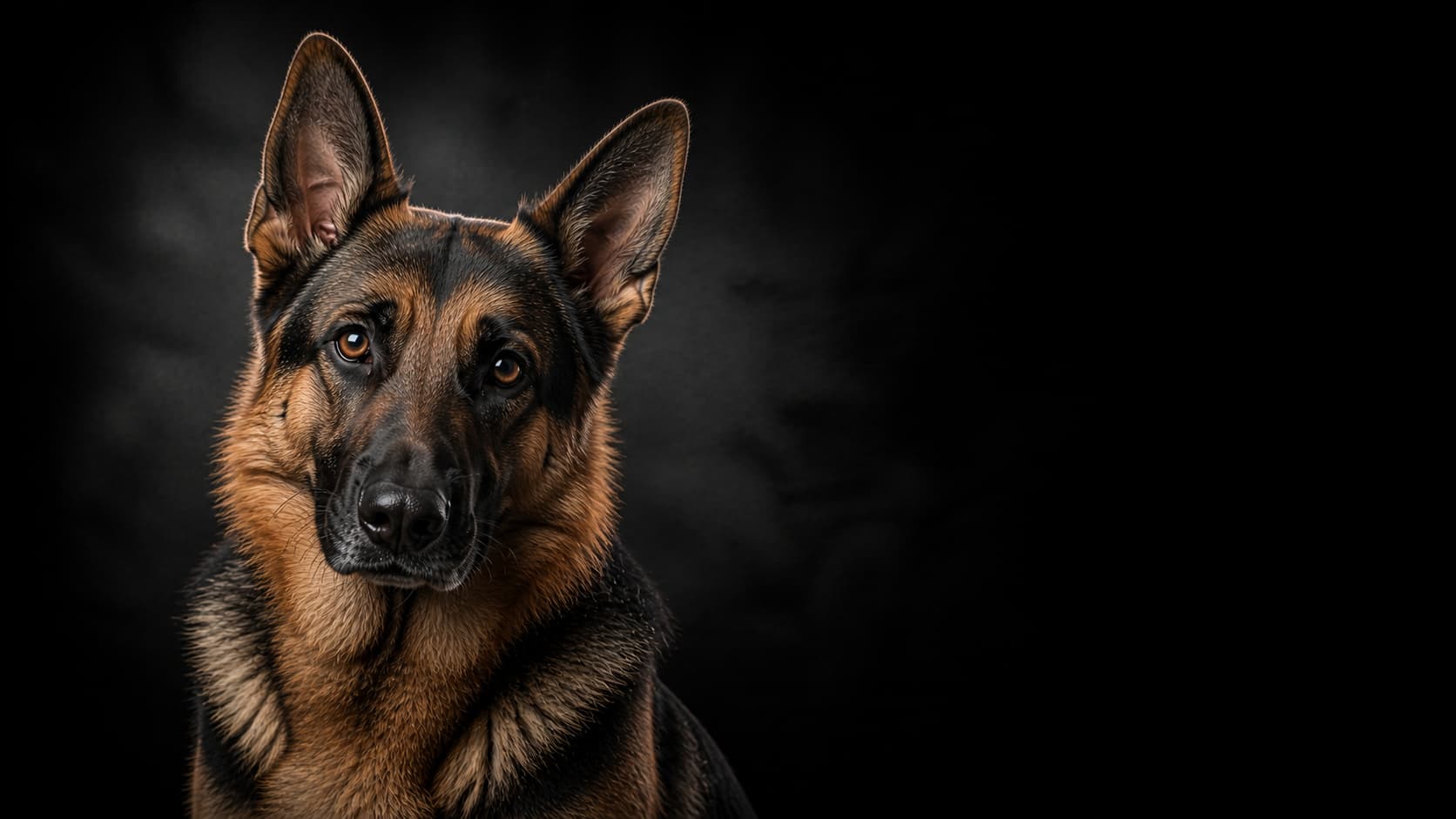
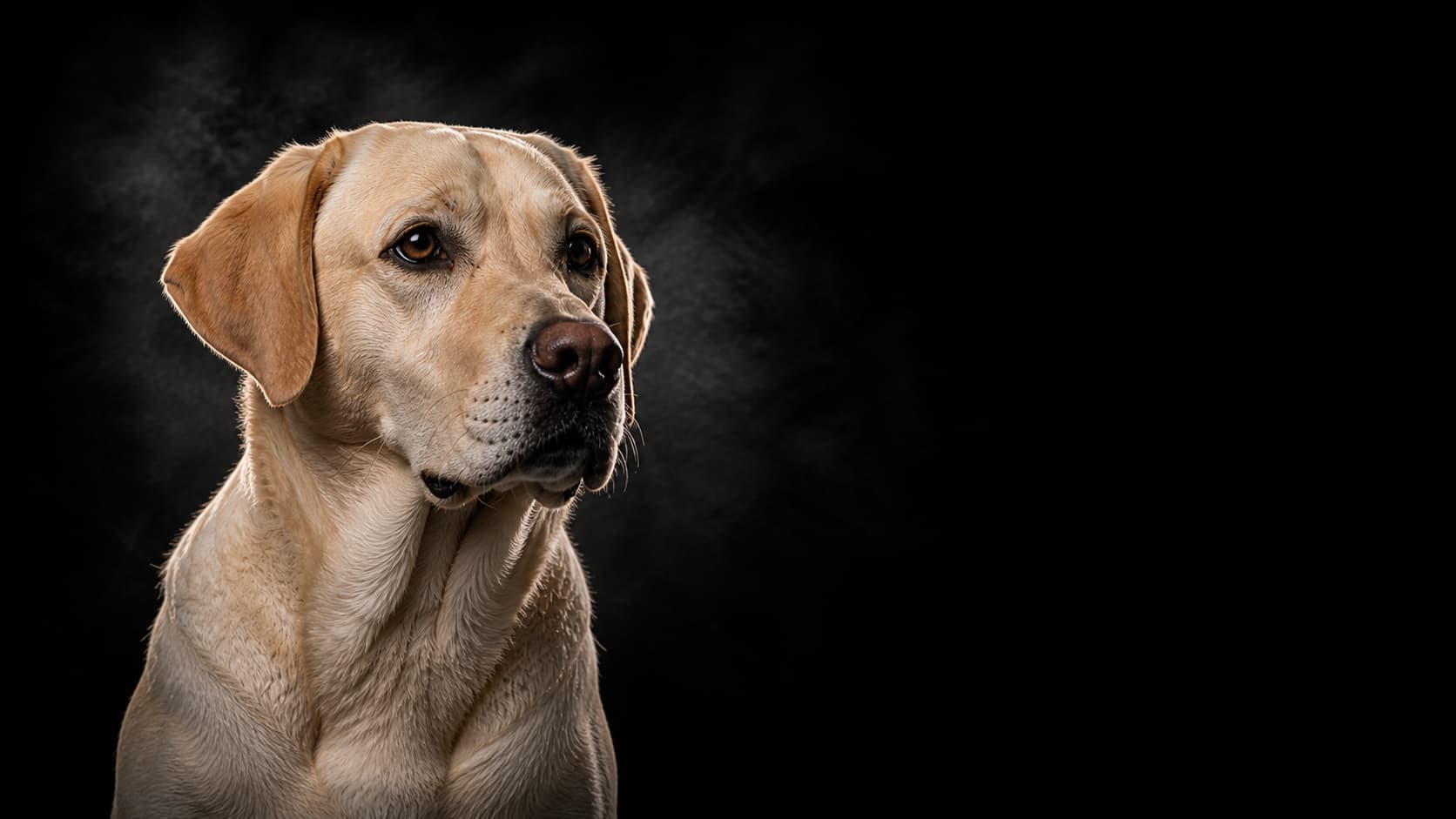
Compared with Sporting Dogs, which work cooperatively with hunters, terriers were bred to pursue prey independently and often show more stubbornness during training.
Compared with Working Dogs, which were bred for strength and protection roles, terriers are generally smaller but much more focused on quick pursuit and relentless hunting instincts.
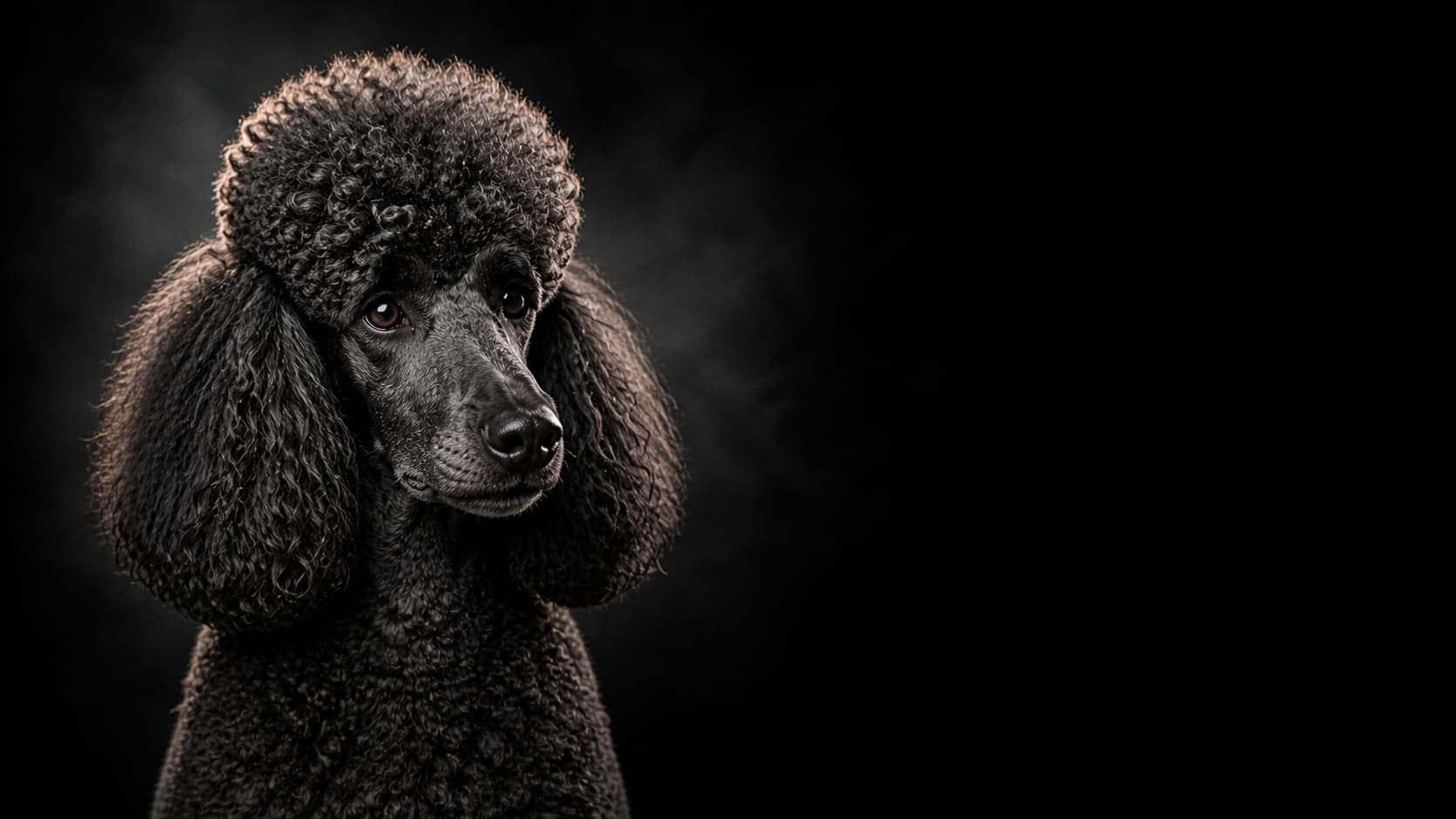
Compared with Toy Dogs, which were bred mainly for companionship, terriers usually retain stronger prey drives and higher activity levels.
Overall, terriers are known for their confidence, boldness, and lively personalities, which make them both entertaining and occasionally challenging companions.