What Is This Group
The AKC Herding Group includes breeds that were developed to control and move livestock such as sheep, cattle, and other farm animals. These dogs were bred to work closely with farmers and shepherds, using intelligence, agility, and responsiveness to guide animals across fields and pastures.
Herding dogs are known for their exceptional intelligence, high energy, and strong work ethic. Many of these breeds are extremely responsive to training and capable of learning complex tasks quickly.
Because herding dogs were bred to stay alert and active for long periods, they often thrive when given structured activities, training challenges, or dog sports that allow them to use their natural instincts.
History
Herding breeds evolved as agriculture expanded and humans needed reliable dogs to help manage livestock. Farmers relied on these dogs to move animals between grazing areas, keep herds together, and respond quickly to commands.
Many of the breeds in the Herding Group were originally classified as part of the Working Group before the AKC established a separate category for them in the 1980s.
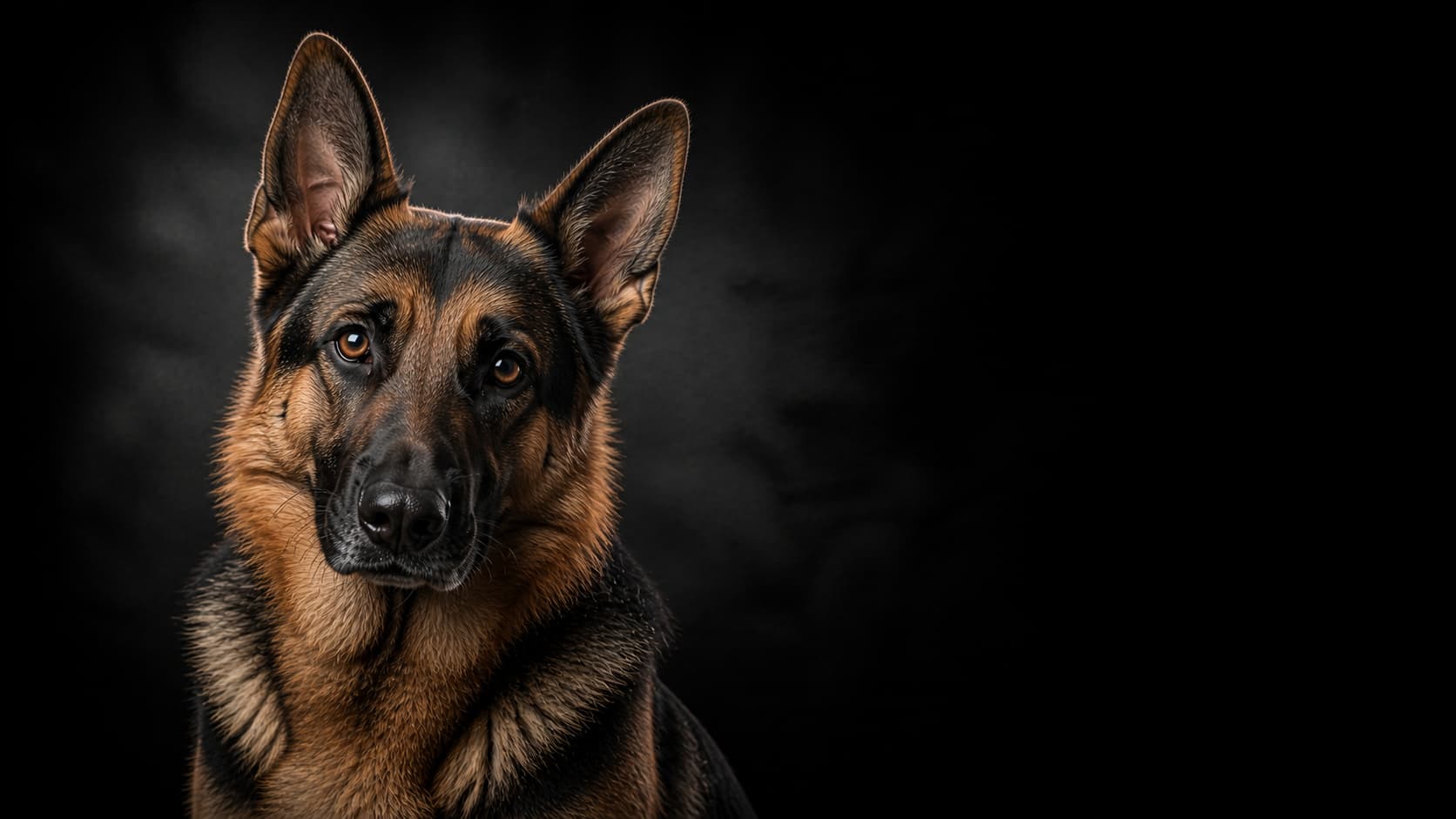
Dogs such as the Border Collie, Australian Shepherd, and German Shepherd Dog became famous for their ability to control large groups of animals using a combination of intelligence, focus, and instinct. Some breeds herd primarily through eye contact and positioning, while others use movement and vocal cues.
Although many herding dogs today live as companions, their instinct to organize and control movement remains a defining trait.
Training & Lifestyle Tips
Herding dogs are wired for work — and without it, they invent their own jobs (which may include herding your guests or guarding the vacuum). They respond brilliantly to positive training but need clear boundaries and regular outlets.
Daily exercise is essential — but just physical movement isn’t enough. Puzzle toys, scent work, trick training, and agility exercises can help burn mental energy and reduce frustration or neurotic behaviors.
Are They For You?
This group might be a great fit if:
- ✅ You’re ready to invest in training and exercise
- ✅ You want a dog that thrives on direction and focus
- ✅ You’re home enough to offer daily mental stimulation
- ✅ You enjoy hiking, agility, or structured games
- ❌ You prefer a low-maintenance or independent dog
- ❌ You don’t have time for daily interaction and enrichment
Traits
- Extremely intelligent and quick learners
- High energy and task-oriented
- Sensitive to tone, touch, and routine
- May “herd” people, children, or other animals
- Strong bond with their humans
- Thrive with training, structure, and enrichment
- Can become anxious or destructive when bored
Where Herding Dogs Want to Live
Herding breeds usually thrive in homes that can provide regular activity, mental stimulation, and consistent training.
These dogs are often happiest when they have something to do. Without enough physical or mental outlets, they may try to create their own activities, which can sometimes include herding children, chasing moving objects, or developing destructive behaviors.
A good home for a herding dog often includes:
-
Owners who enjoy training and active lifestyles
-
Opportunities for exercise such as hiking, running, or dog sports
-
Mental challenges like obedience training or puzzle games
-
Consistent routines and engagement
Herding dogs can make exceptional companions for active families and individuals who enjoy spending time working and interacting with their dogs.
Group Comparison
The Herding Group differs from other AKC breed groups primarily in its focus on controlling the movement of animals.
Compared with Sporting Dogs, which assist hunters in locating and retrieving birds, herding dogs specialize in directing livestock with precision and responsiveness.
Compared with Working Dogs, which often perform tasks such as guarding or pulling, herding dogs rely more on intelligence, agility, and communication with their handler.
Compared with Terriers, which were bred to hunt pests independently, herding breeds typically work cooperatively with humans and respond quickly to commands.
Because of their intelligence and focus, herding dogs often excel in modern dog sports such as agility, obedience, and herding trials.