Labrador Retrievers, Golden Retrievers, and Cavalier King Charles Spaniels are the standard answer for first-time owners, and there’s a reason they keep showing up. They’re patient, trainable, and forgiving when you mess up. Because you will mess up. That’s normal.
The breeds below all share a few traits. They’re eager to please you. They don’t need a working-dog job to stay sane. And they bounce back from rookie mistakes. Pick the one that fits your space and energy. Skip the ones that don’t, even the cute ones.
BREEDS:
- Labrador Retriever
- Golden Retriever
- Cavalier King Charles Spaniel
- Poodle (Miniature or Standard)
- Shih Tzu
- Bichon Frise
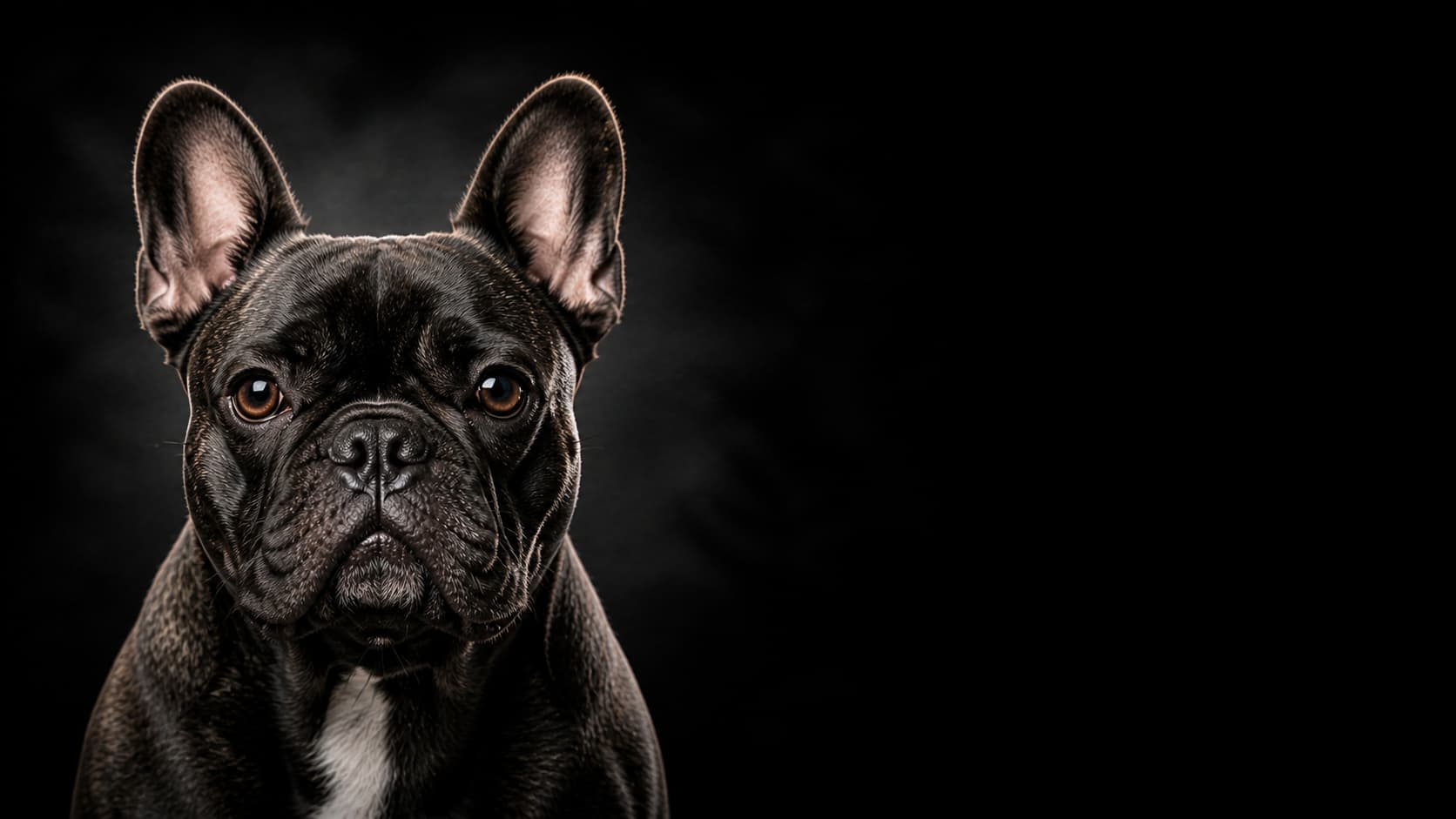
- Boston Terrier
- Papillon
How to Choose the Right Dog as a First-Time Owner
When selecting your first dog, trainability should be near the top of your priority list. Breeds that are eager to please and respond well to positive reinforcement make the training process smoother and less stressful. Look for dogs known for their intelligence and willingness to learn basic commands and house rules.
Temperament matters tremendously for beginners. A patient, friendly dog that’s forgiving of training mistakes will help you grow as an owner. Avoid breeds with strong guarding instincts or high prey drives unless you’re prepared for the extra work these traits require. Good dogs for beginners typically have stable, predictable personalities that mesh well with family life.
Energy level is another crucial factor. While all dogs need exercise, some breeds require hours of intense physical and mental stimulation daily. First-time owners often underestimate how much time and effort high-energy breeds demand. Moderate-energy dogs offer a better balance, enjoying walks and playtime without becoming destructive if they miss a day at the dog park.
Consider grooming needs and overall time commitment as well. Some breeds need professional grooming every few weeks, while others are relatively low-maintenance. Think honestly about your schedule, budget, and willingness to handle tasks like brushing, nail trimming, and bathing.
How the 8 picks compare
Cross-reference the picks against your real life before falling in love with one. Apartment vs. yard, kids vs. no kids, willing to budget a groomer or not. The shortlist is the same; the right pick changes.
| Breed | Size | Energy | Grooming | Best fit |
|---|---|---|---|---|
| Labrador Retriever | Large (55-80 lb) | High | Low coat care, heavy shedder | Active home, room to run |
| Golden Retriever | Large (55-75 lb) | Moderate-high | High (brush 3-4x/week) | Families with kids |
| Cavalier King Charles Spaniel | Small (13-18 lb) | Low | Moderate | Apartment, calm household |
| Poodle | Mini 10-15 lb / Standard 40-70 lb | Moderate-high | High (groomer every 4-6 weeks) | Allergy-conscious, willing to budget grooming |
| Shih Tzu | Small (9-16 lb) | Low | High, or kept trimmed short | Indoor, lower-activity owner |
| Bichon Frise | Small (12-18 lb) | Moderate | High (groomer every 4-6 weeks) | Apartment, low-shed |
| Boston Terrier | Small (12-25 lb) | Moderate | Low (short coat) | Easy first small dog |
| Papillon | Tiny (5-10 lb) | Moderate-high | Low-moderate | Owner who wants to train |
If your row says “yard” or “groomer every 4-6 weeks” and that isn’t your life, pick a different row. The trainability is comparable across all eight; what varies is whether the breed fits your week.
Best Dogs for First-Time Owners
Labrador Retriever
America's favorite fetch-obsessed family dog.

Learn about the Labrador Retriever →
Golden Retriever
Happy to Be Here

Learn about the Golden Retriever →
Cavalier King Charles Spaniel
Velcro, But Make It Royal

Learn about the Cavalier King Charles Spaniel →
Poodle
Elegance Meets Brains

Learn about the Poodle →
Shih Tzu
Royal Lap Gremlin

Learn about the Shih Tzu →
Bichon Frise
Cushion with a Personality

Learn about the Bichon Frise →
Boston Terrier
The Tuxedo Troublemaker

Learn about the Boston Terrier →
Papillon
Small Dog, Big Brain

Learn about the Papillon →
Labrador Retriever
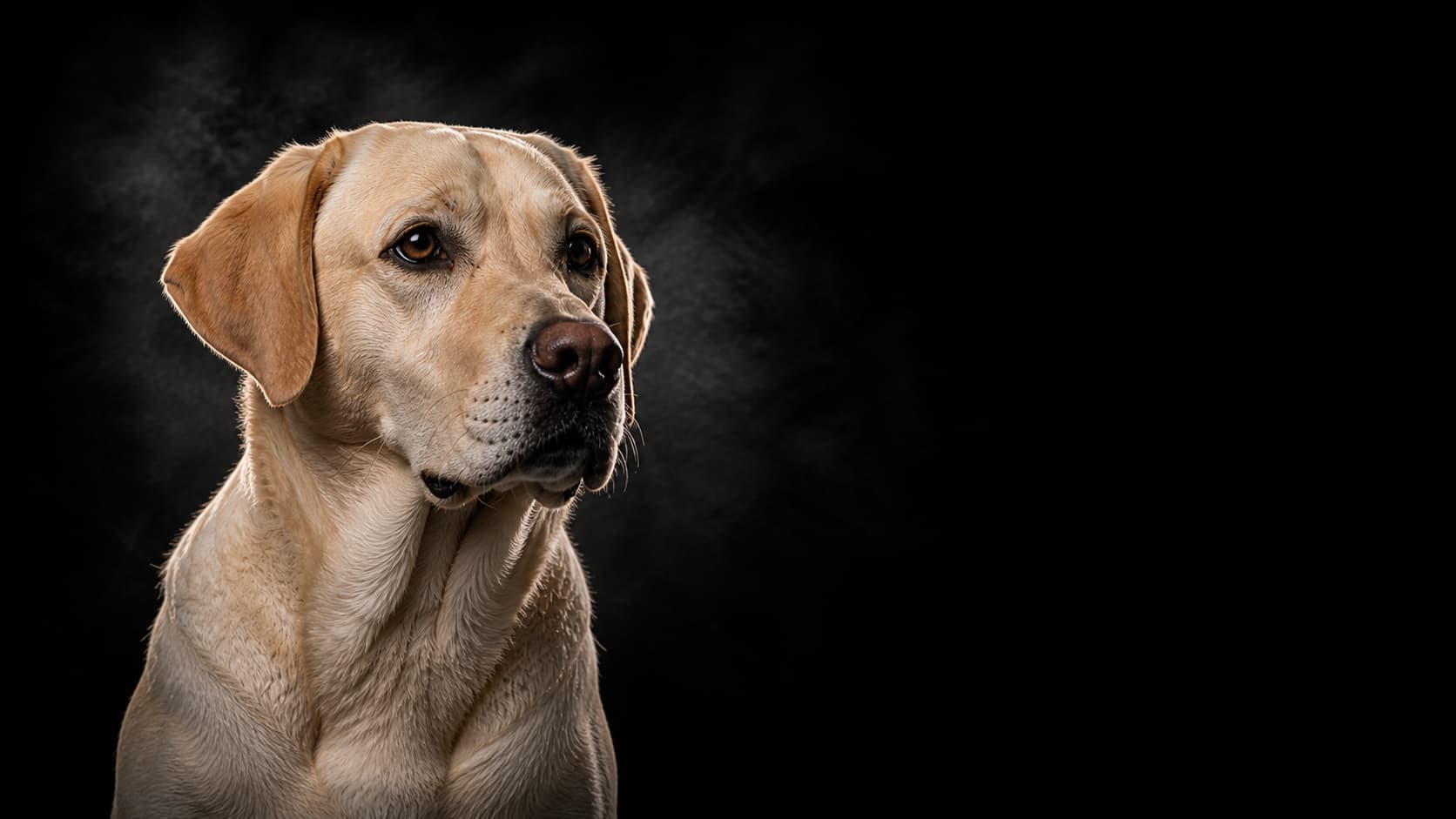
Labrador Retrievers are one of the best dogs for first-time owners thanks to their friendly personality and excellent trainability. They are eager to please and respond well to positive reinforcement, making training easier for beginners. Labs do require regular exercise, but their forgiving nature and adaptability make them a great starting point for new dog owners.
Golden Retriever
Golden Retrievers are known for their patience and calm temperament. They are highly intelligent and easy to train, which makes them ideal for beginners. Goldens are social dogs that get along well with families and other pets, though they do require regular grooming and exercise.
Cavalier King Charles Spaniel
Cavaliers are affectionate, gentle dogs that adapt well to almost any living situation. They are easy to train and naturally friendly, making them great for first-time owners. Their moderate energy level means they enjoy walks but are equally happy relaxing at home.
Poodle (Miniature or Standard)
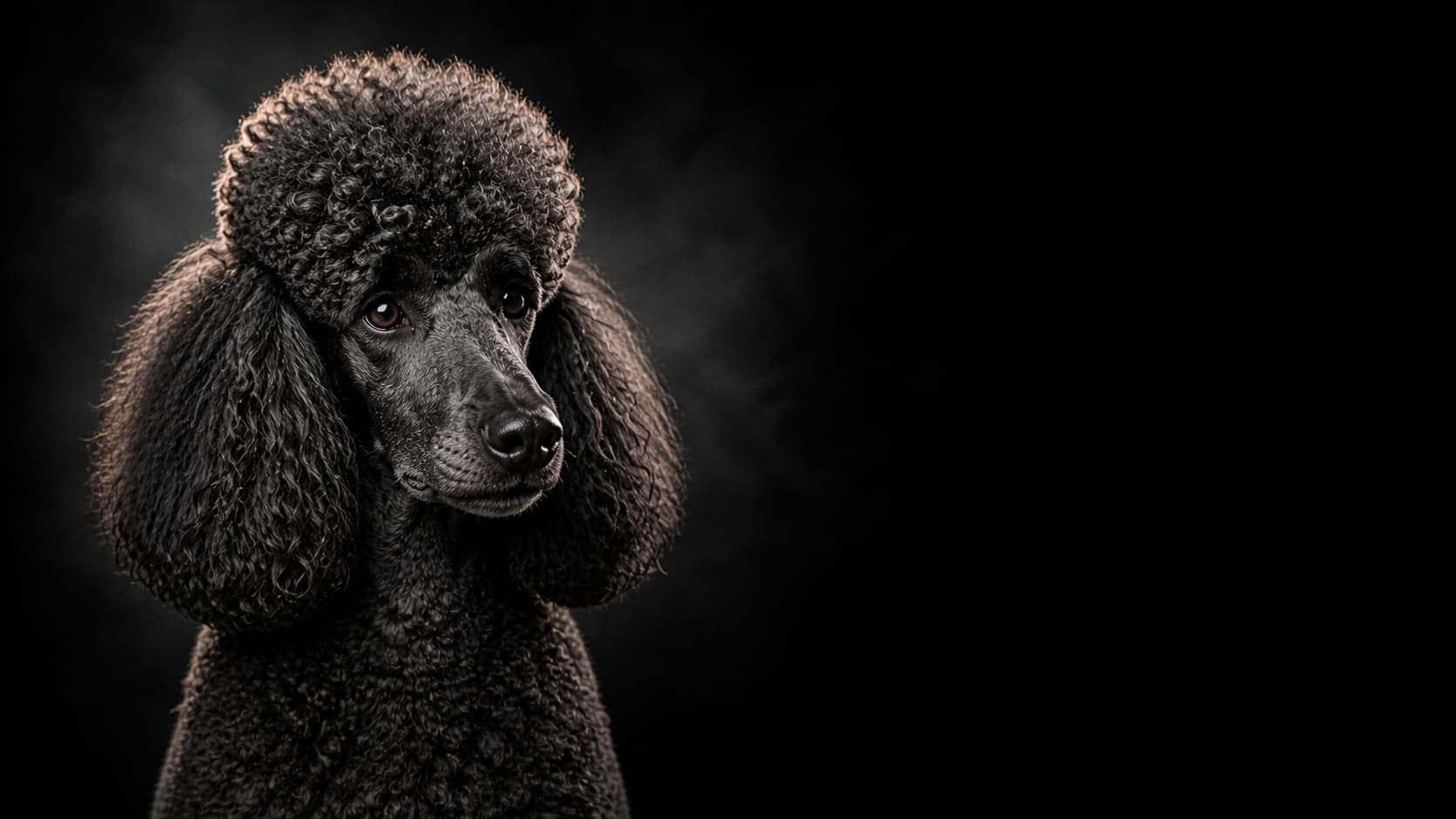
Poodles are highly intelligent and one of the easiest breeds to train. They are a great option for beginners who are willing to commit to regular grooming. Their adaptability and eagerness to learn make them excellent companions for new dog owners.
Shih Tzu
Shih Tzus are friendly, low-energy dogs that are well-suited for beginners. They don’t require a lot of exercise and are generally easygoing, though they may need patience during training. Their grooming needs are higher, but many owners keep their coats trimmed for easier maintenance.
Bichon Frise
Bichons are playful, adaptable dogs with a positive temperament that makes them great for first-time owners. They are generally easy to train and enjoy being around people. Their coat requires regular grooming, but they shed very little.
Boston Terrier
Boston Terriers are easygoing and adaptable, making them a great choice for beginners. They have moderate energy levels and are relatively easy to train. Their short coat requires minimal grooming, which is a bonus for new dog owners.
Papillon
Papillons are intelligent, eager-to-please dogs that are surprisingly easy to train despite their small size. They enjoy learning and respond well to structured training. Their manageable grooming needs and adaptable nature make them a strong option for first-time owners.
Dogs that may not be ideal for first-time owners
While every dog is an individual, certain breeds present challenges that can overwhelm first-time owners. High-energy breeds like Border Collies, Australian Shepherds, and Belgian Malinois were bred for demanding work and require extensive daily exercise and mental stimulation. Without proper outlets, these intelligent dogs can become destructive and develop behavioral problems. Similarly, independent or stubborn breeds like Siberian Huskies, Shiba Inus, and some terriers can be difficult to train and may not respond reliably to commands, even with consistent training.
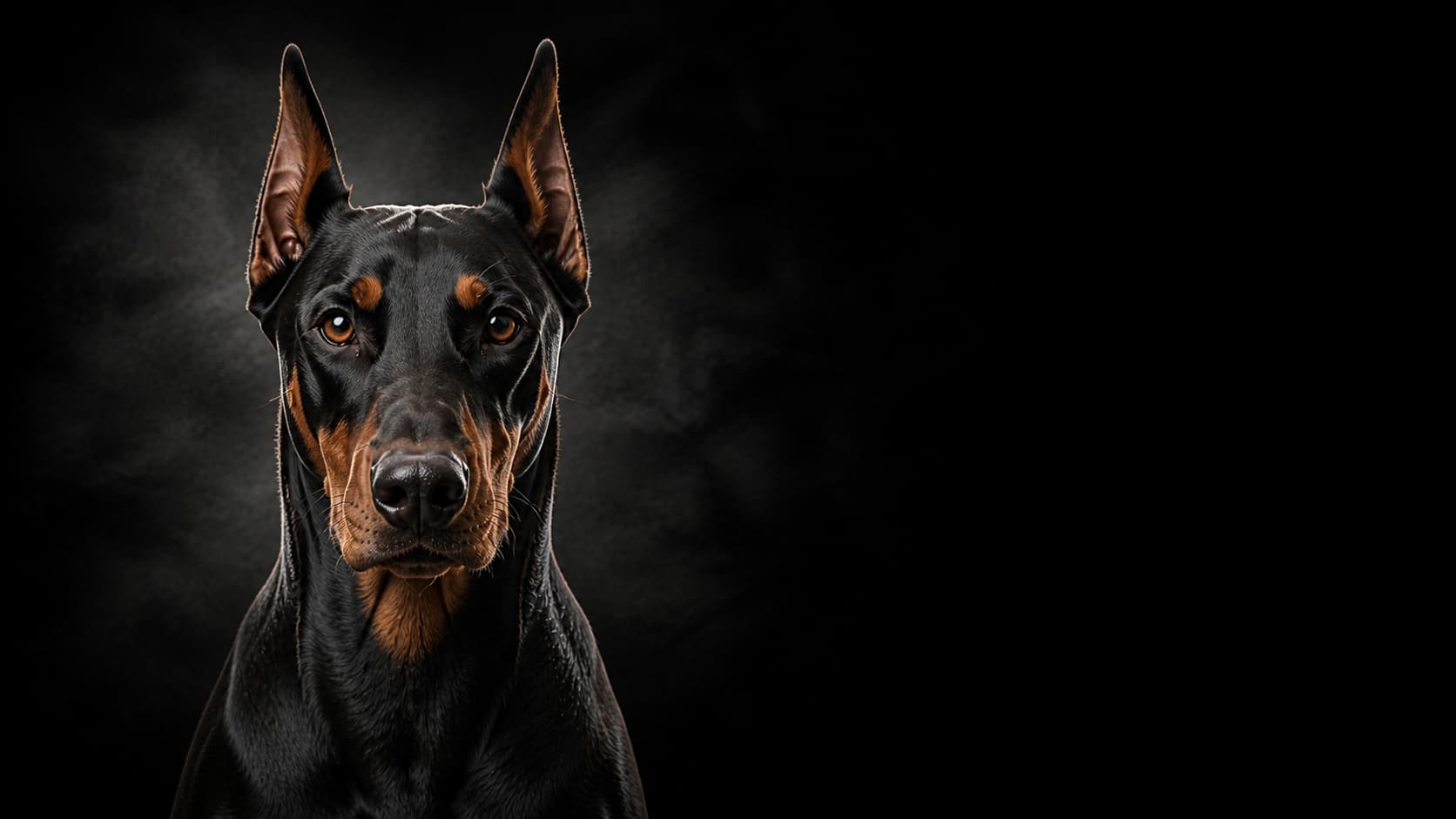
Breeds requiring advanced handling skills, such as guarding breeds (Rottweilers, Dobermans) or dogs with strong prey drives (many hound breeds), need experienced owners who understand canine behavior and can provide firm, consistent leadership. Giant breeds like Great Danes or Mastiffs can be gentle but require significant space, food budgets, and strength to handle. These breeds aren’t necessarily bad dogs, but they’re better suited to owners with previous experience who understand the commitment and expertise required.
Pick the row that matches your week, not the dog that’s cutest in the photo. Trainability across these eight is comparable. What separates them is the shape of your life: square footage, grooming budget, kids, energy, time. Get those right and the first year is forgiving. Get them wrong and even the easiest breed becomes hard.