What Is This Group
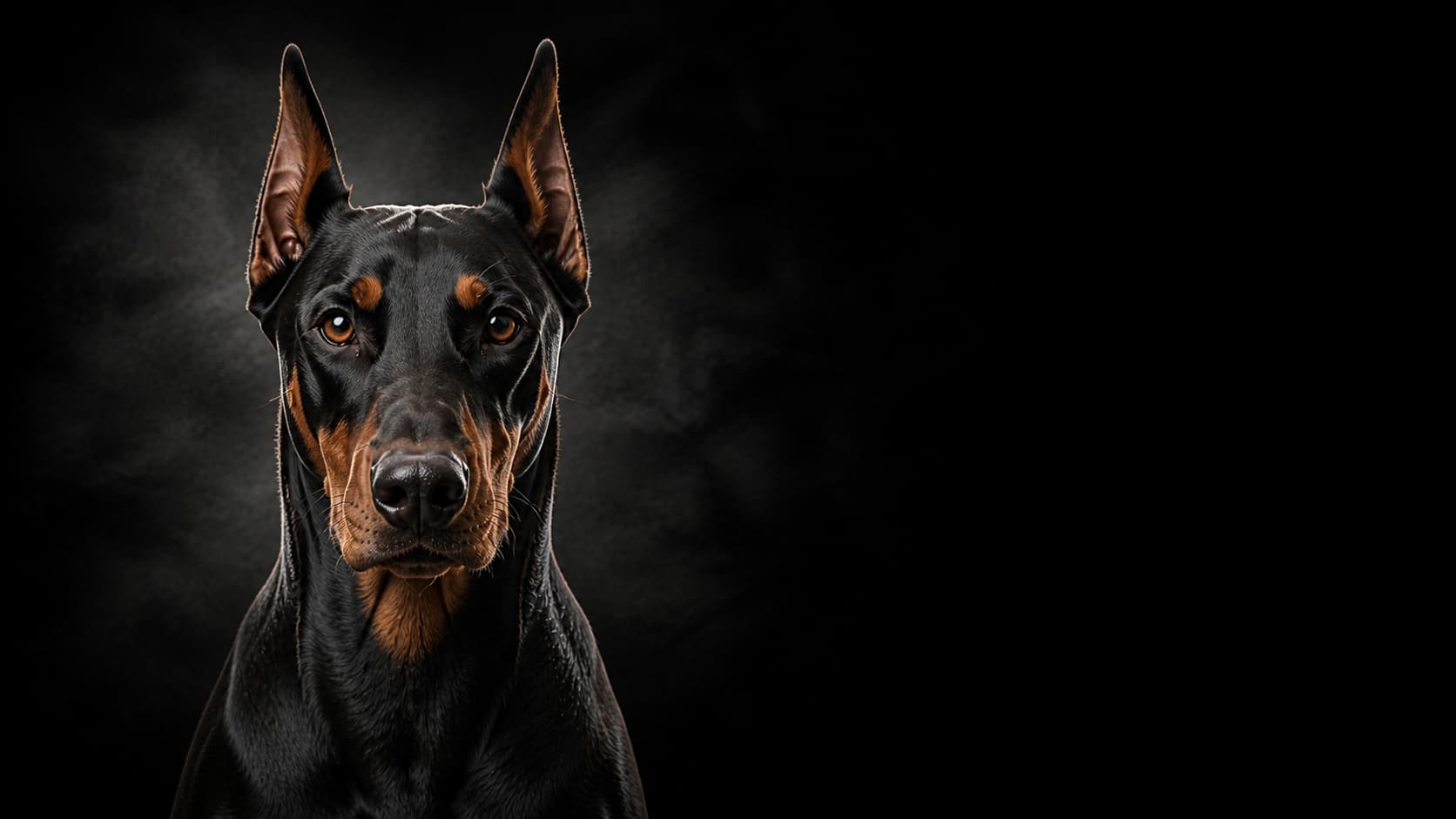
The AKC Working Group includes some of the strongest, most capable, and most intelligent dogs in the canine world. These breeds were developed to perform practical jobs alongside humans — guarding property, pulling sleds, rescuing people in dangerous conditions, and protecting livestock.
Working dogs are typically large, powerful, and highly driven. Many of them were bred to make independent decisions while performing demanding tasks, which means they often combine intelligence with a strong sense of purpose.
Because of their size and instincts, these dogs usually thrive with owners who can provide consistent leadership, structured training, and regular physical and mental challenges. When their needs are met, they can be incredibly loyal companions and dependable partners.
History
The breeds in the Working Group trace their origins to some of the earliest partnerships between humans and dogs.
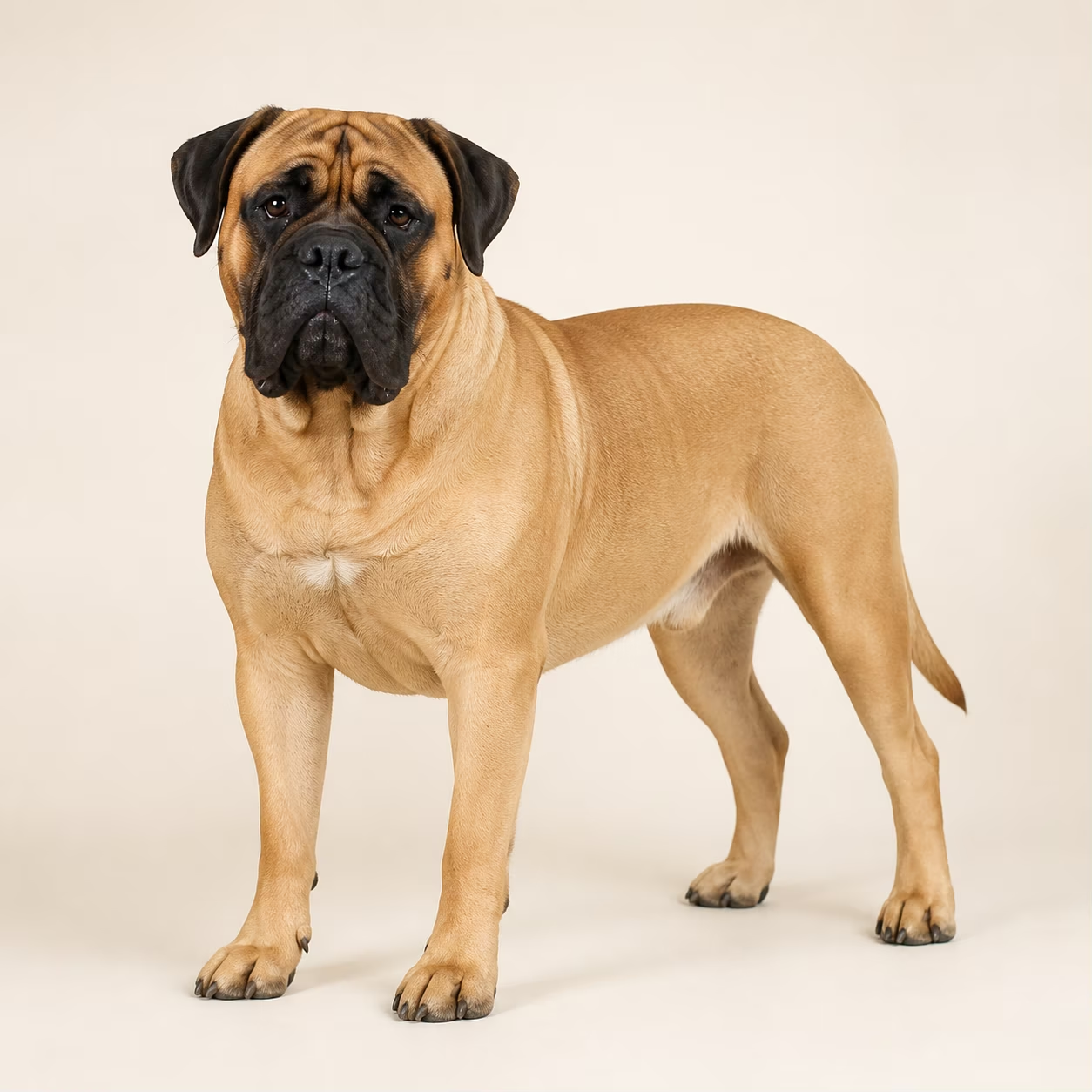
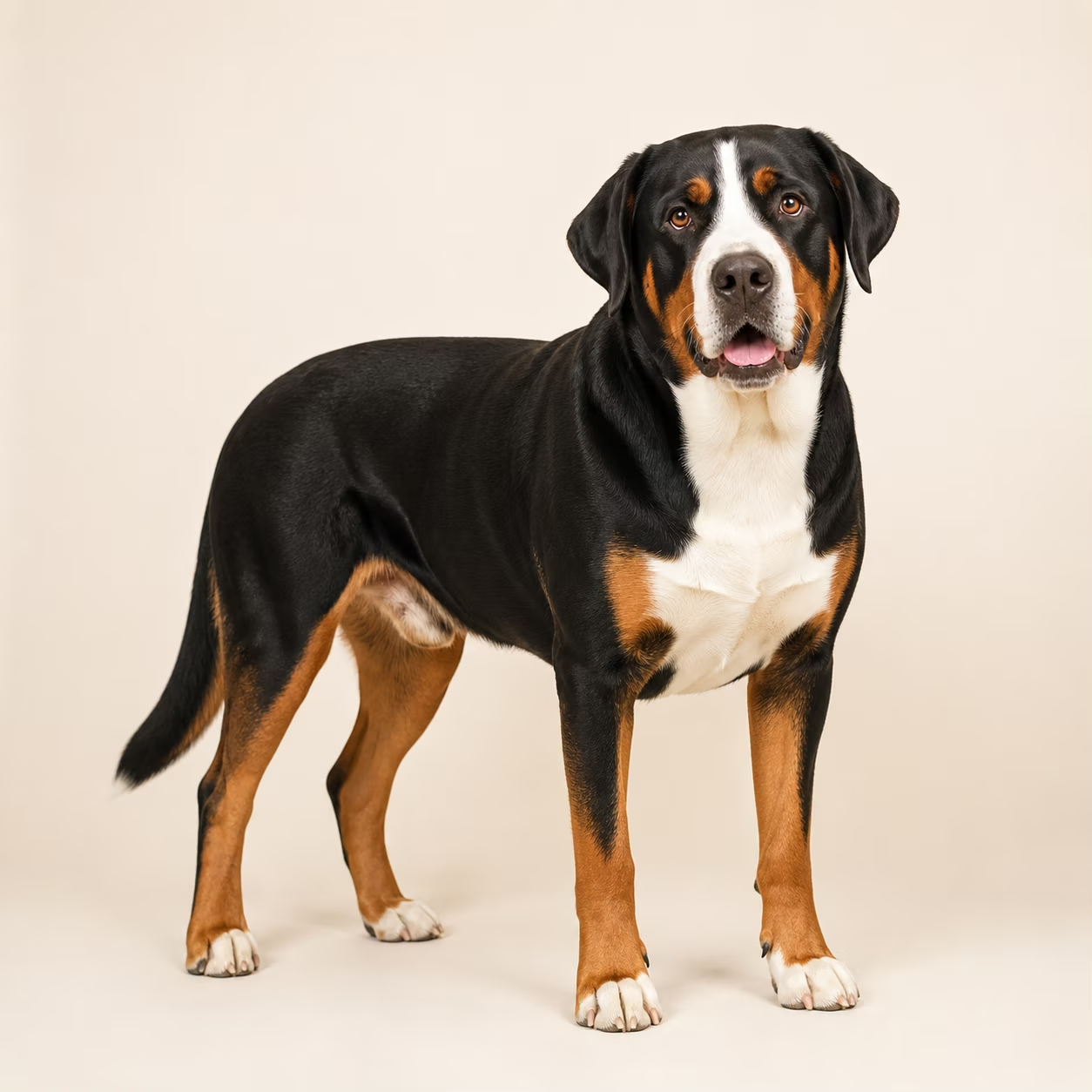
Historically, these dogs were bred to perform essential tasks that helped people survive and prosper. In colder climates, breeds like the Siberian Husky and Alaskan Malamute were developed to pull sleds across vast frozen landscapes. In Europe, powerful guardian breeds such as the Rottweiler and Mastiff protected livestock, farms, and trade caravans. Other breeds, including the Saint Bernard, became famous for their role in mountain rescues.
Over centuries, these dogs were selected for strength, endurance, intelligence, and reliability. While many working dogs today live as family companions, the instincts that made them successful helpers — protection, problem-solving, and determination — remain a defining part of their temperament.
Training & Lifestyle Tips
Working breeds need both mental and physical jobs. That could mean advanced obedience, pulling sports, scent work, or simply structured daily routines. Left to their own devices, many of these dogs will invent jobs — often ones you won’t like.
These dogs respect clarity and consistency. They don’t need harsh discipline, but they do need firm, confident leadership. Socialization from an early age is especially important to avoid suspicion or overprotectiveness as they mature.
Are They For You?
This group might be a great fit if:
- ✅ You want a confident, capable dog
- ✅ You’re an experienced handler or ready to learn
- ✅ You have space and time for structure and training
- ✅ You value protection or working ability
- ❌ You want an easygoing or beginner-level companion
- ❌ You live in a small space and can’t offer structure
Traits
- Strong-willed and intelligent
- Physically powerful and often large
- Loyal and protective
- Task-driven and focused
- Require structure, training, and purpose
- Can be territorial or wary of strangers
- Thrive with experienced owners
Where Working Dogs Want to Live
Working dog breeds tend to thrive in homes that can provide structure, activity, and leadership.
These dogs often do best with owners who appreciate training and enjoy giving their dogs purposeful activities. Many excel in advanced obedience, protection sports, pulling sports, scent work, or service roles.
A great home for a working dog usually includes:
-
Owners willing to invest time in training
-
Regular physical exercise and mental challenges
-
Enough space for a large and powerful dog
-
Clear rules and consistent leadership
Working dogs may not be the best fit for people looking for a low-maintenance or beginner-friendly companion. Without structure and guidance, many working breeds will create their own outlets for energy — which can lead to destructive behavior or overprotectiveness.
For the right household, however, these dogs can become incredibly loyal, dependable, and devoted family members.
Group Comparison
The Working Group differs from other AKC breed groups primarily in its focus on strength, protection, and task-driven behavior.
Compared with Sporting Dogs, which were bred to assist hunters, working dogs tend to be more protective and physically powerful.
Compared with Herding Dogs, which specialize in controlling livestock movement, working dogs were often bred to guard or pull rather than herd.
Compared with Terriers, which were developed to hunt small vermin independently, working dogs are typically larger and more focused on partnership with humans.
In general, working breeds combine size, intelligence, and instinctive drive, making them well suited to demanding tasks but also requiring thoughtful ownership and training.