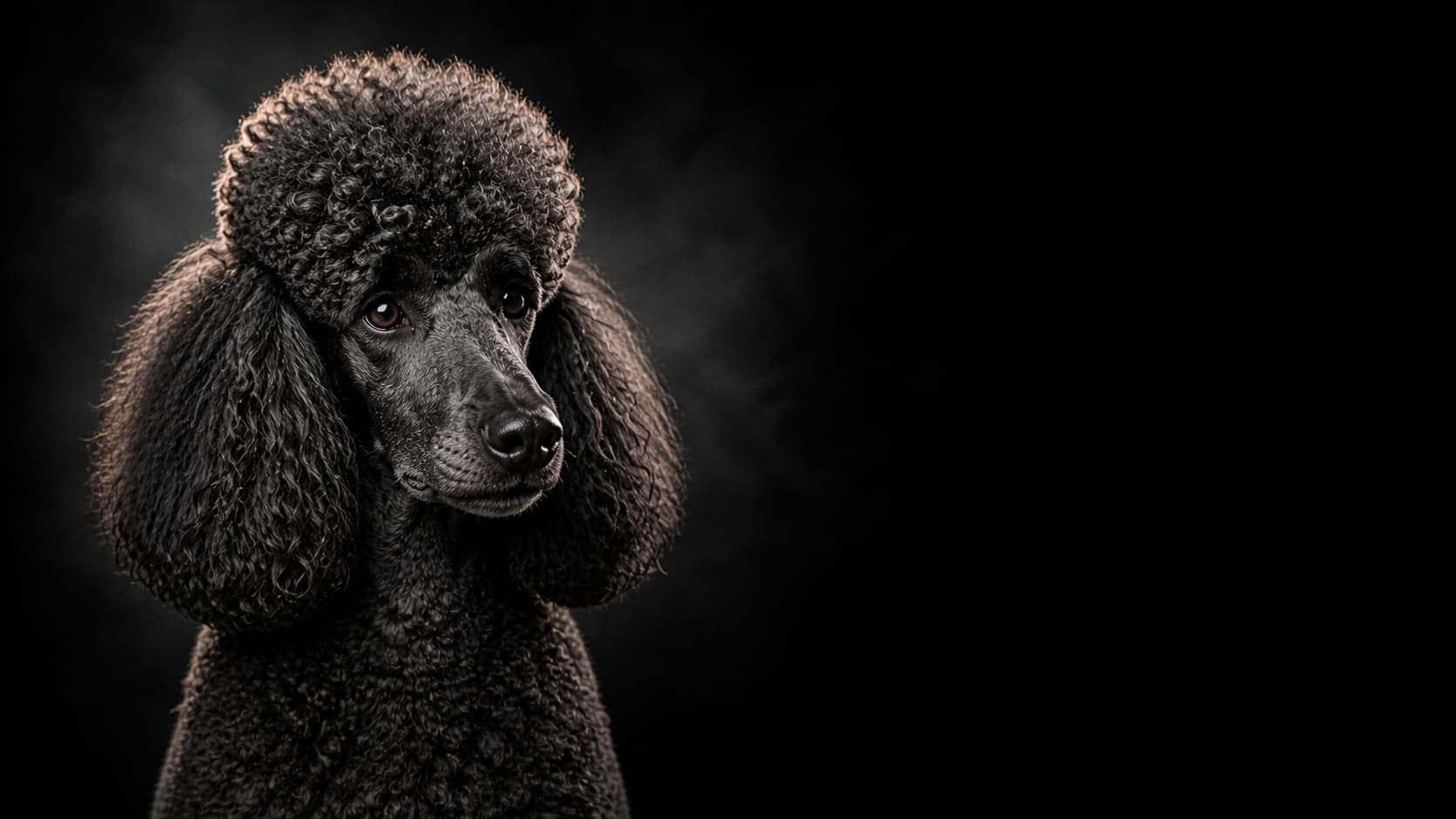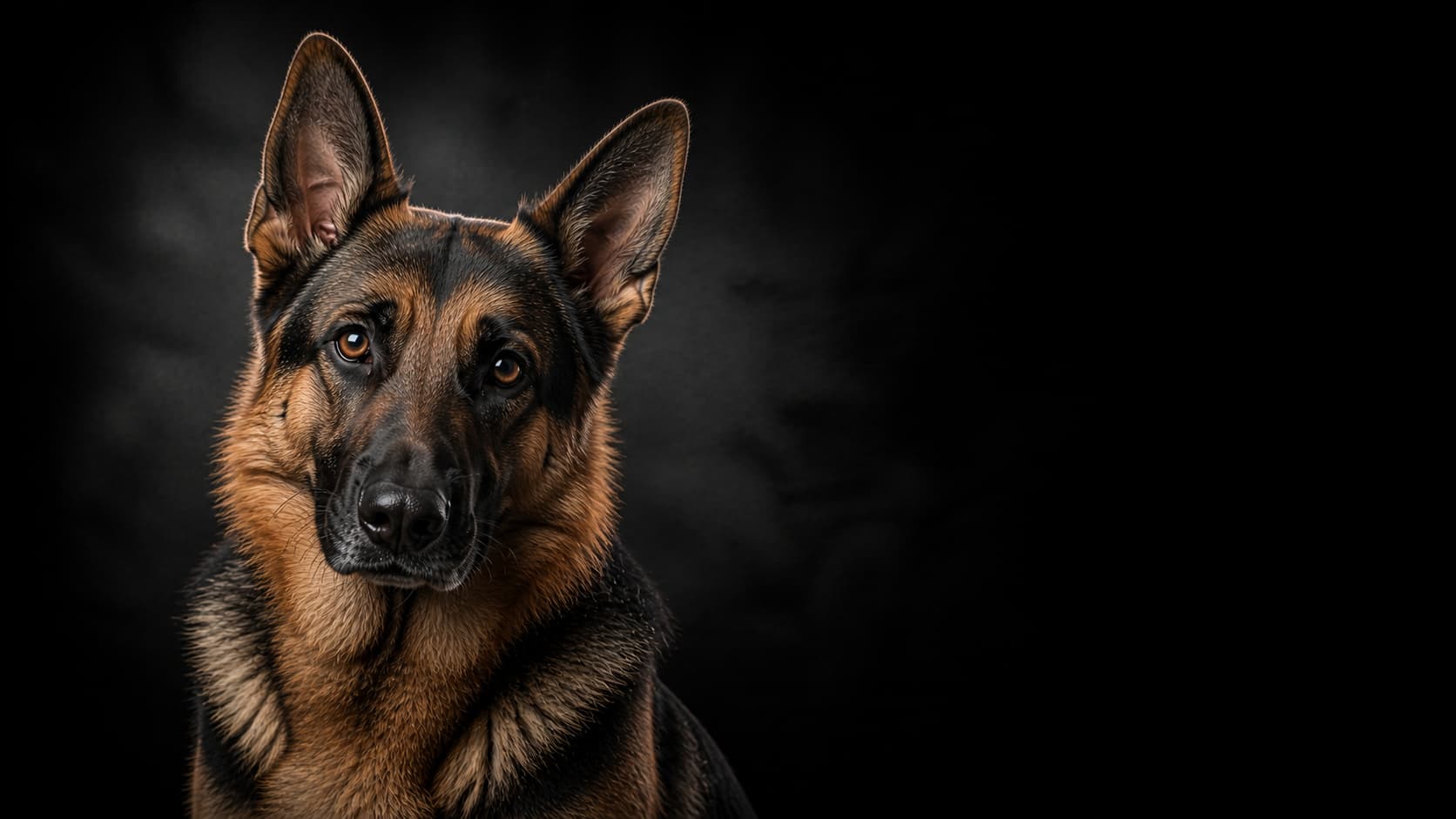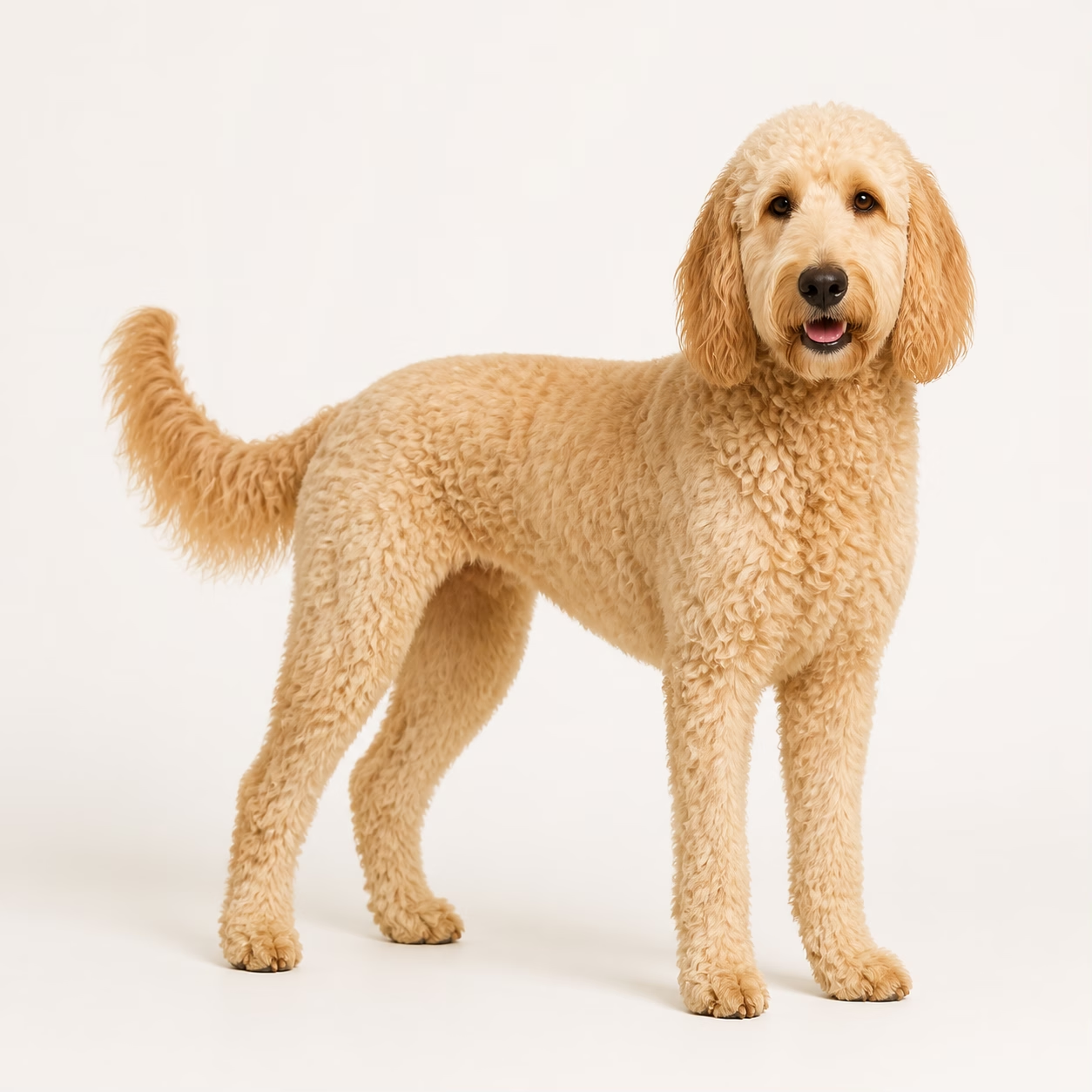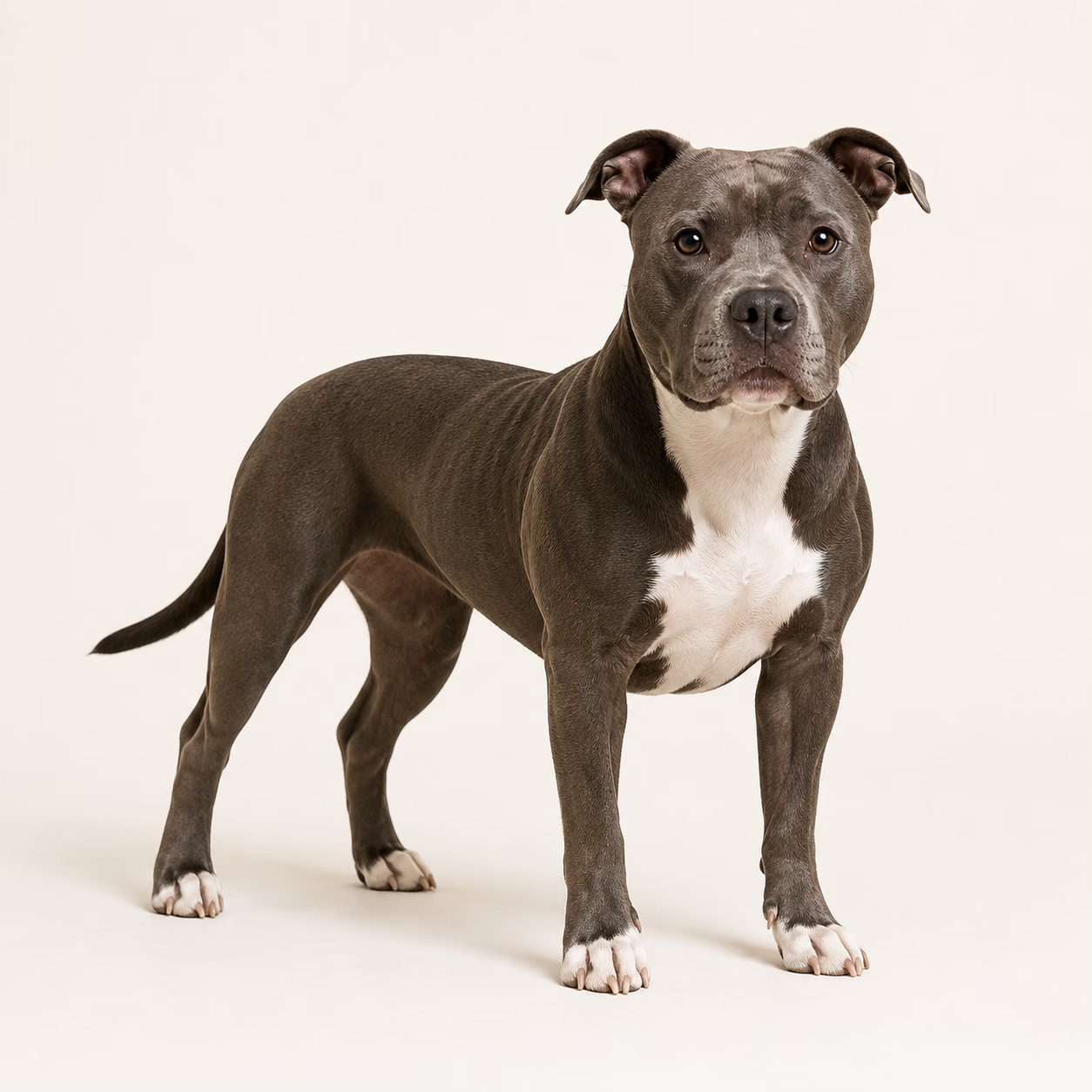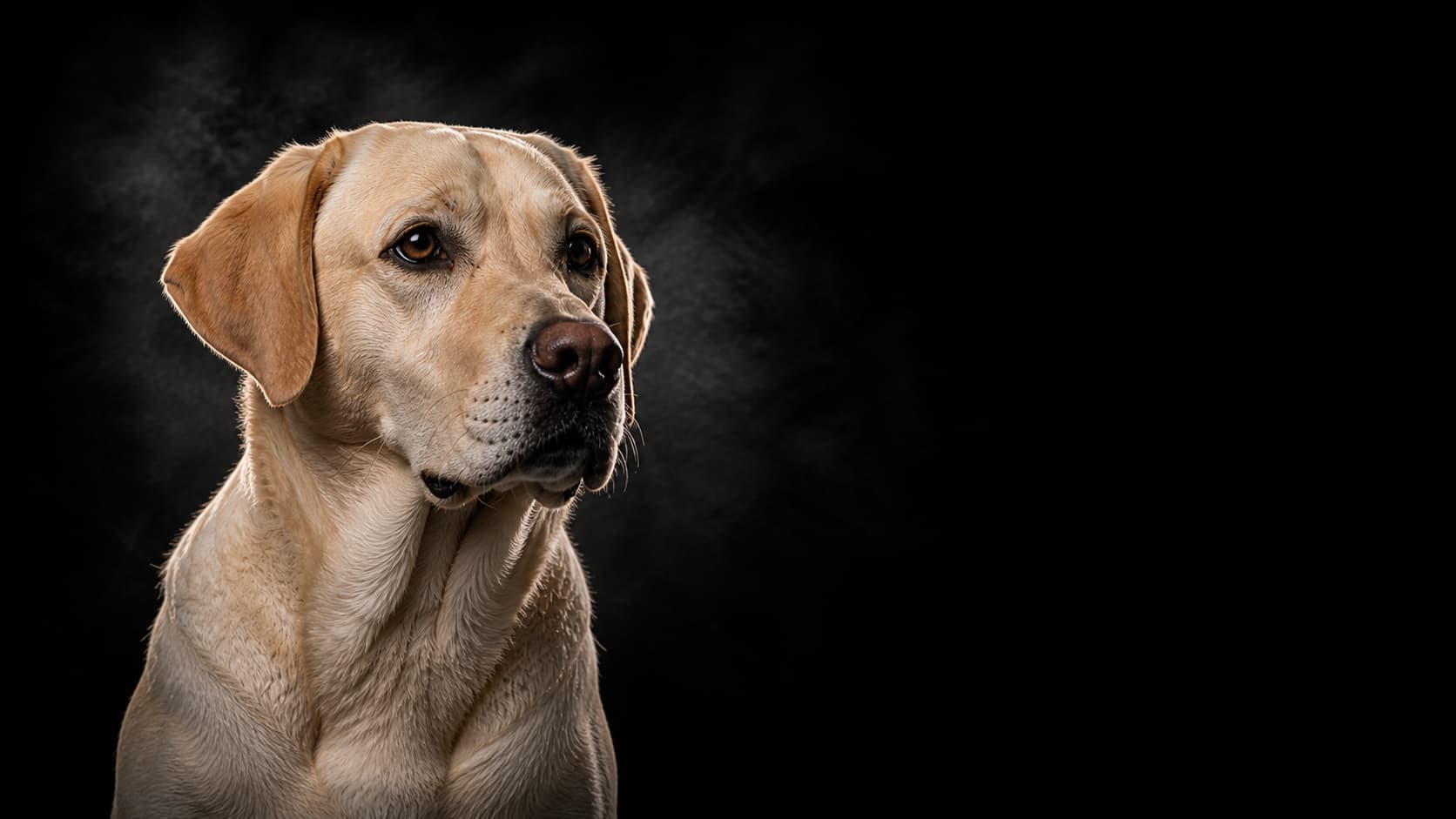
Each breed group was developed for a purpose. Understanding that purpose is the fastest way to avoid choosing the wrong dog.
From weekend adventurers to apartment dwellers, there’s a breed group for every kind of dog person. Learn how each group reflects a unique canine purpose — and which one aligns with your lifestyle.
Every dog was originally bred for a job. Herding sheep. Guarding property. Retrieving birds. Tracking scent for miles.
Those jobs didn’t just shape appearance — they shaped temperament, energy level, independence, and instincts.
Breed groups are one of the fastest shortcuts to understanding:
If you choose the wrong energy profile for your lifestyle, no amount of training will fully fix the mismatch.
Understanding breed groups first helps you avoid the most common mistake new owners make: choosing based on looks instead of lifestyle.
Use this quick filter before you dive into individual breeds:
Still unsure? Scroll down and compare the breed groups in more detail.

The Sporting Group includes dogs originally bred to assist hunters by locating, flushing, and retrieving game—primarily birds. These dogs were developed for stamina, precision, and a strong working partnership with people. Today, their intelligence and people-oriented personalities make them some of the most popular family companions.
Breeds in this group range from eager retrievers to elegant setters and enthusiastic spaniels. Many love water, have soft mouths, and are happiest when they have a job to do—whether that’s fetching a ball or joining you on a long hike.

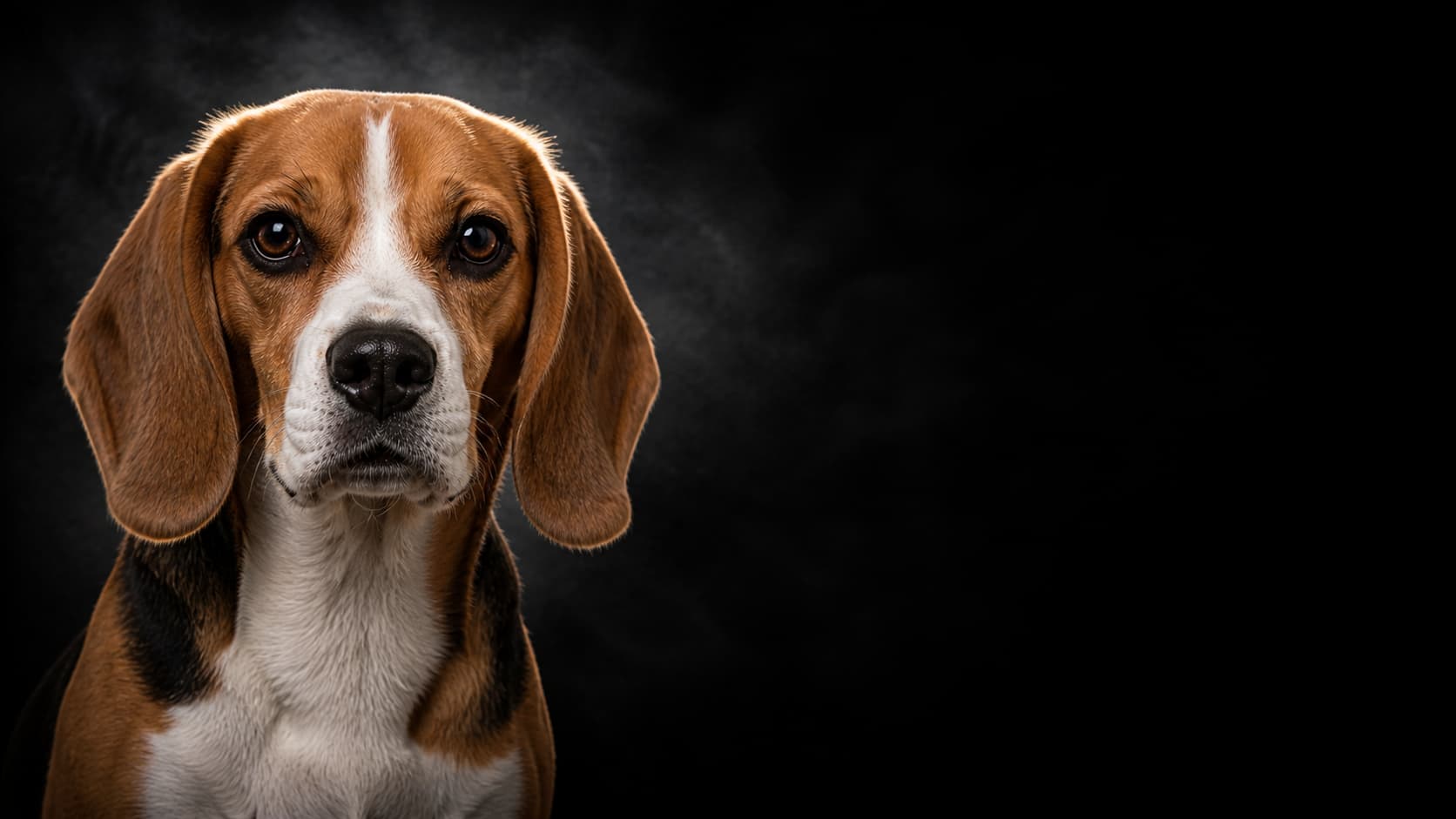
The Hound Group includes dogs originally bred for hunting — either by scent (like the Bloodhound) or sight (like the Greyhound). These breeds are independent thinkers with a powerful drive to pursue, track, and chase. Their lineage goes back centuries, and many still retain those strong instincts today.
While hounds are incredibly diverse in size, coat, and personality, they all share a deep-rooted desire to follow their noses (or eyes). Some are calm and regal; others are relentless explorers. What unites them is a strong prey drive, persistence, and a tendency to tune out distractions when they’re on a mission.

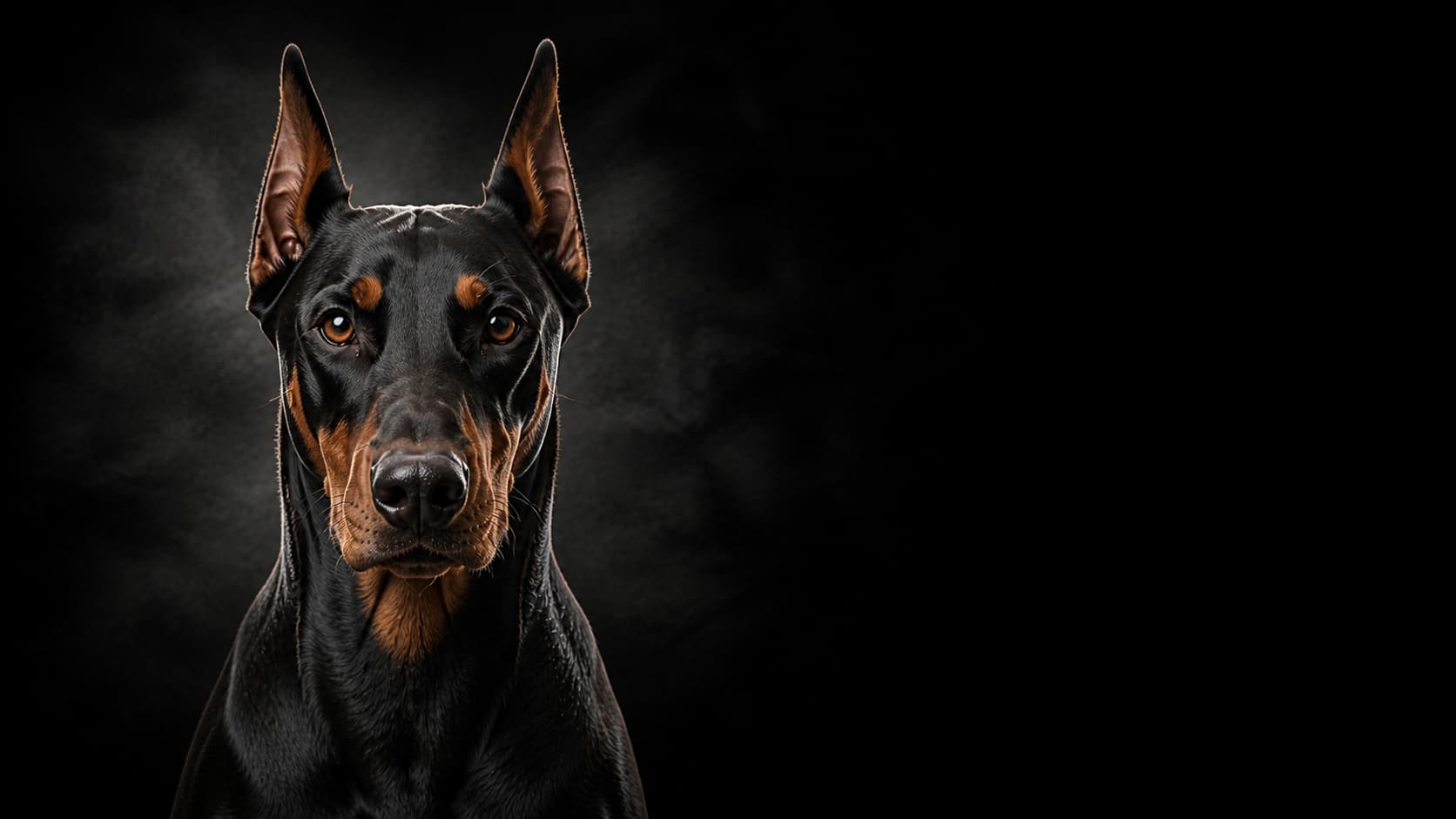
The Working Group includes some of the strongest, smartest, and most capable breeds in the dog world. These dogs were developed to perform specific jobs — guarding property, pulling sleds, performing water rescues, and protecting livestock or people.
They’re intelligent, driven, and often large or giant in size. While their working instincts can make them incredible partners, they can also be too much dog for inexperienced owners. Many require consistent training, early socialization, and strong leadership to thrive in a home environment.

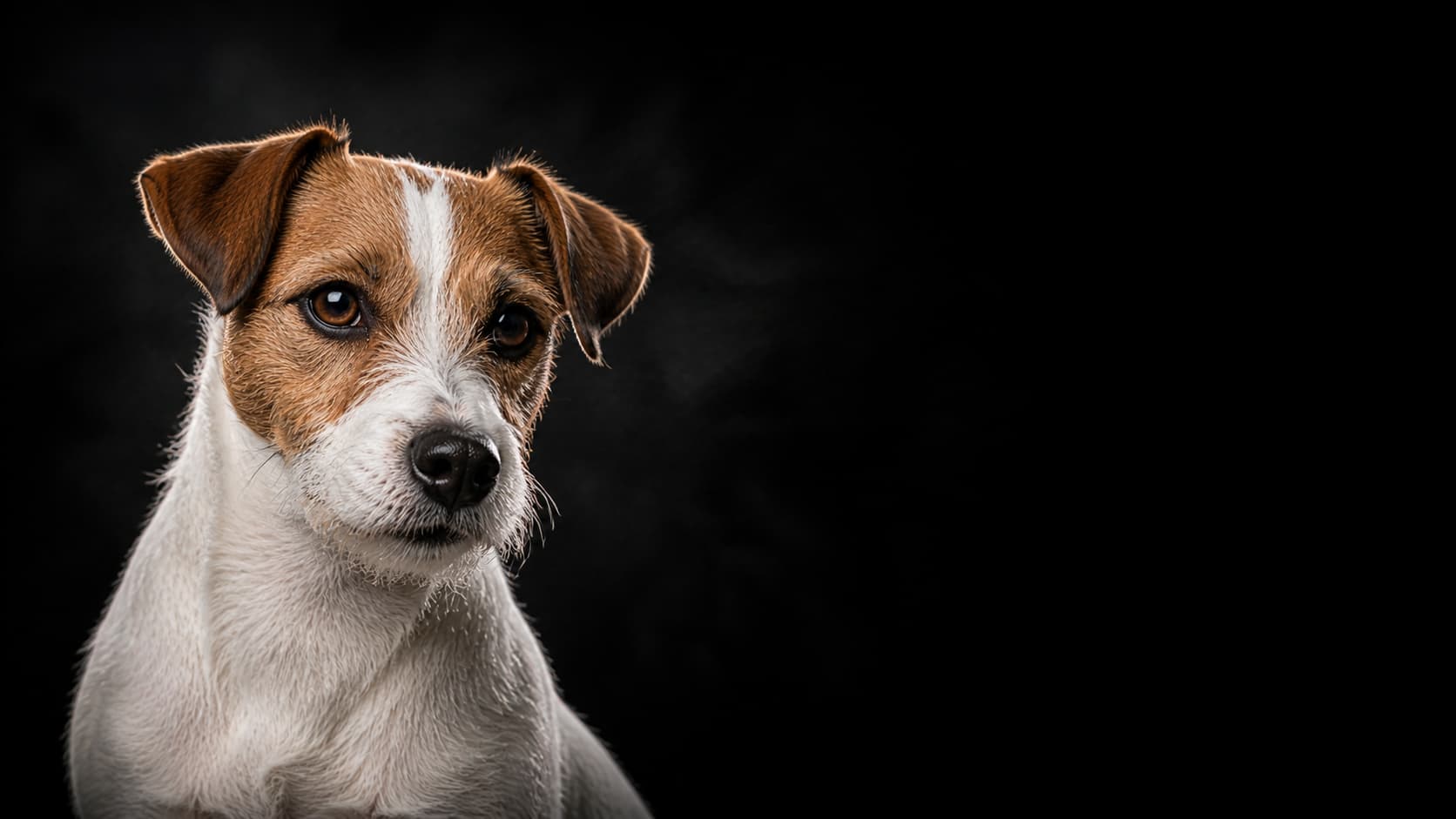
Terriers were originally bred to hunt and kill vermin, guard property, and dig out pests — and they haven’t forgotten it. These are bold, determined dogs packed into compact bodies, with strong opinions, sharp senses, and boundless energy.
What they lack in size, they make up for in attitude. Many Terriers are tenacious, vocal, and endlessly curious. They often thrive in active homes where their brains and bodies are kept busy — and where their people appreciate a dog with personality, not polish.

The Toy Group is made up of small, portable dogs originally bred to be companions. While their tiny frames might suggest fragility, most Toy breeds are surprisingly sturdy, clever, and packed with attitude. These dogs were designed to be close to their people — often doted on by royalty, aristocrats, and urban dwellers alike.
Though they don’t take up much space, many Toy breeds act like they own the room. They’re alert, expressive, and often totally unaware of their size. Most are highly adaptable and deeply bonded to their families — thriving in apartments, homes, and laps across the world.

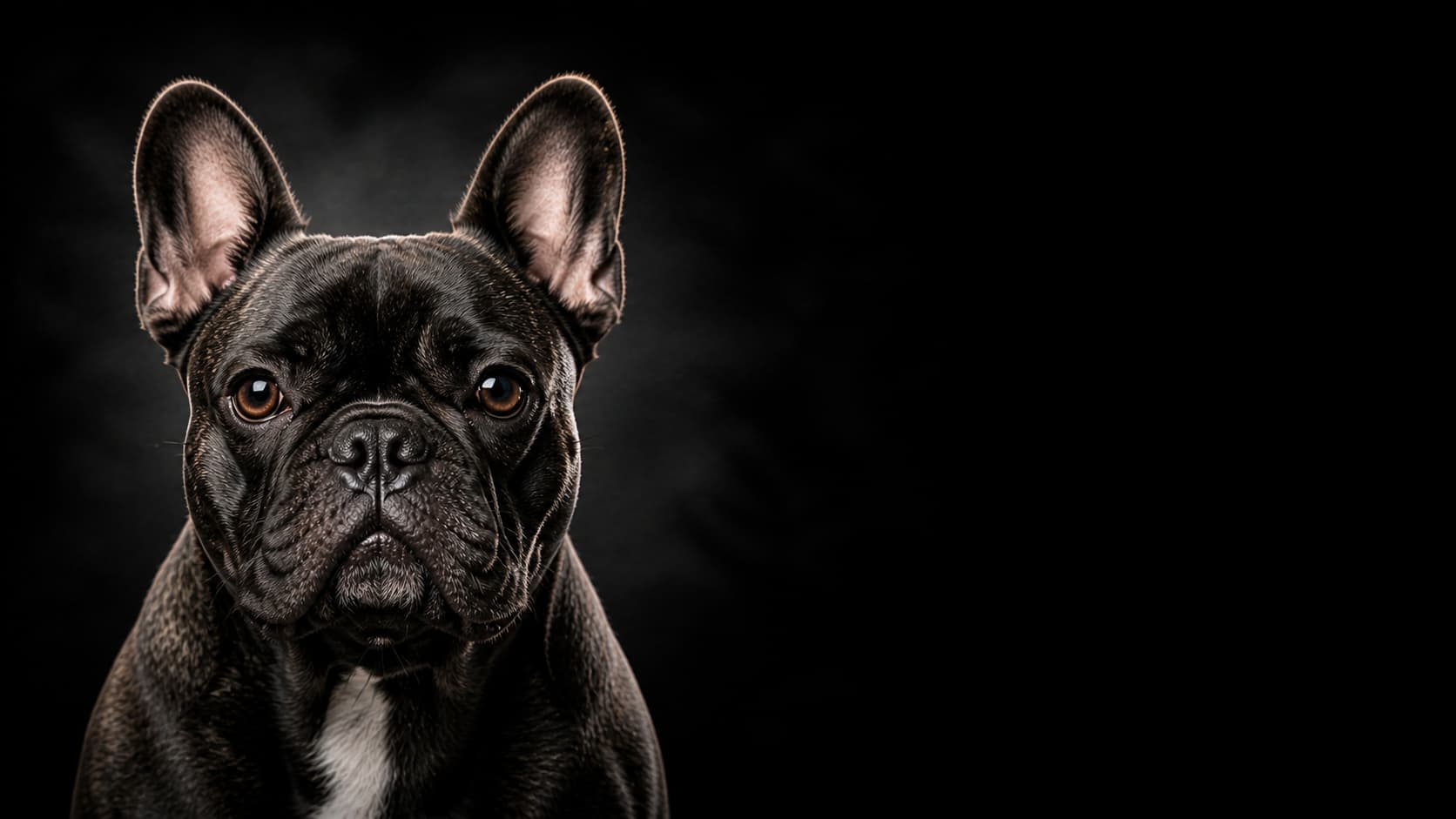
The Non-Sporting Group is a catch-all category for breeds that don’t quite fit anywhere else. It’s home to dogs of all sizes, shapes, temperaments, and origins — from dignified lap dogs to playful companions to ancient watchdogs.
What these breeds have in common isn’t a job or size — it’s their uniqueness. Some are ancient breeds with long histories. Others are modern, developed primarily for companionship or show. It’s the most eclectic group in the AKC lineup — and arguably the most personality-packed.

The Herding Group is made up of highly intelligent, focused dogs originally bred to move and manage livestock. Whether guiding sheep, cattle, or even geese, these breeds excel at reading their environment, anticipating movement, and responding instantly to direction.
Today, many herding breeds bring that same energy and brainpower into modern homes — often herding people, kids, or other pets. They thrive when given a job to do and can struggle without enough mental or physical stimulation.
Choosing the right breed is about long-term compatibility, not just personality.