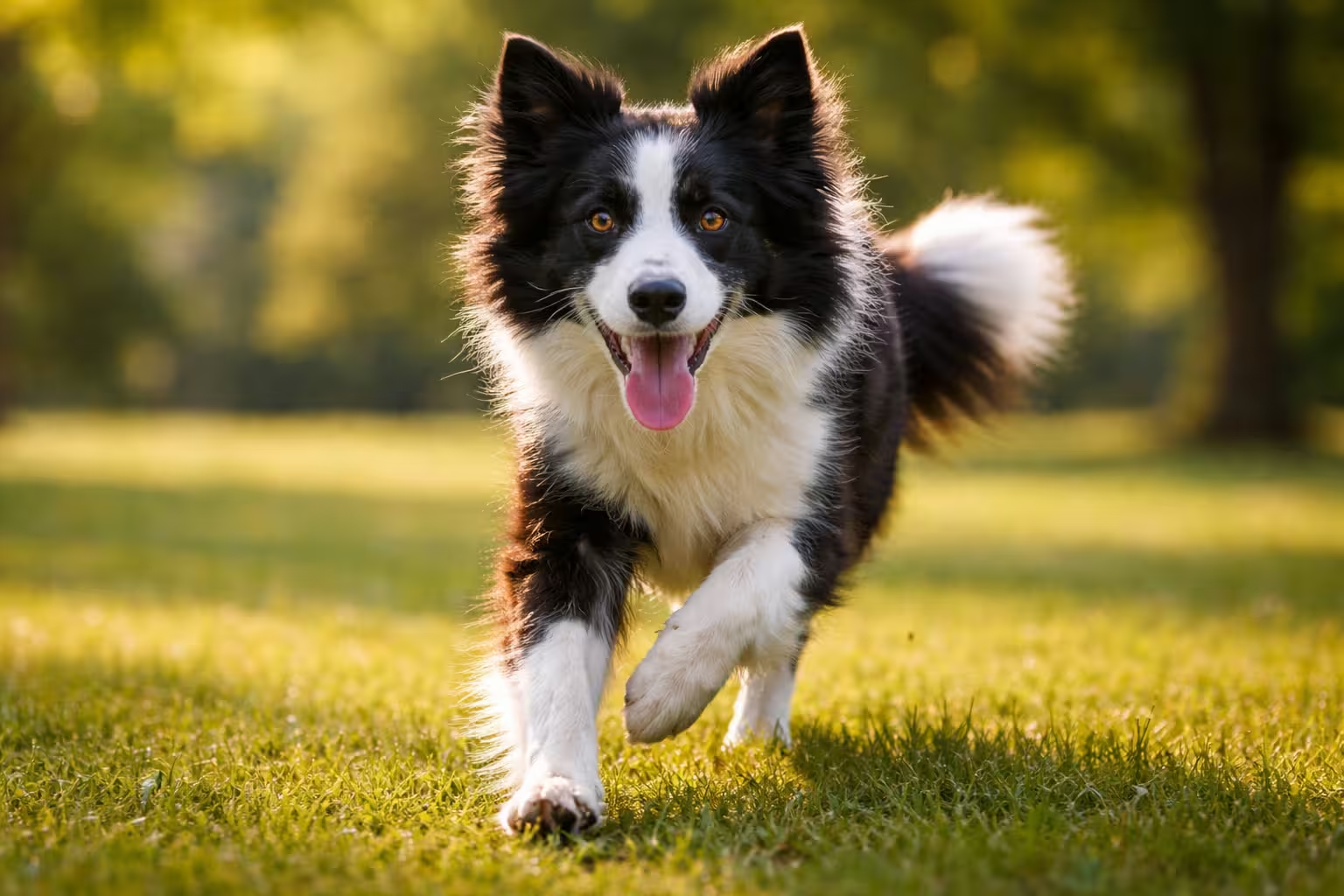
“Smart dog” usually means three things. How fast the dog learns a command. How well it solves problems. How willing it is to follow you. Dog smarts aren’t one thing. Some breeds nail obedience in five reps. Others show their smarts by thinking for themselves. Most rankings score breeds on obedience, working intelligence, and how fast they pick up new commands. The smartest breeds share a few traits: sharp memory, strong work ethic, and a real interest in working with their people.
Smart doesn’t mean easy. Smart dogs are often harder than their less brainy peers. They bore fast. They outsmart new owners. They invent their own problems when nothing’s keeping them busy. A smart dog with nothing to do is like a genius kid with only coloring books. They’ll find their own fun, and you probably won’t like it.
Picking a smart breed means more than basic care. These dogs need jobs, puzzles, training sessions, and real mental work every day. Without it, their brains turn on you. Owners who can meet that bar get an incredible partner. Often a calmer smart breed like a Golden Retriever or Labrador beats a high-drive working breed like a Border Collie.
If you’re looking for a smart dog that also fits a specific lifestyle, you may want to explore our guides on best dogs for first-time owners, best dogs for apartments, or best dogs for families, which include several highly intelligent breeds.
BREEDS:
- Border Collie
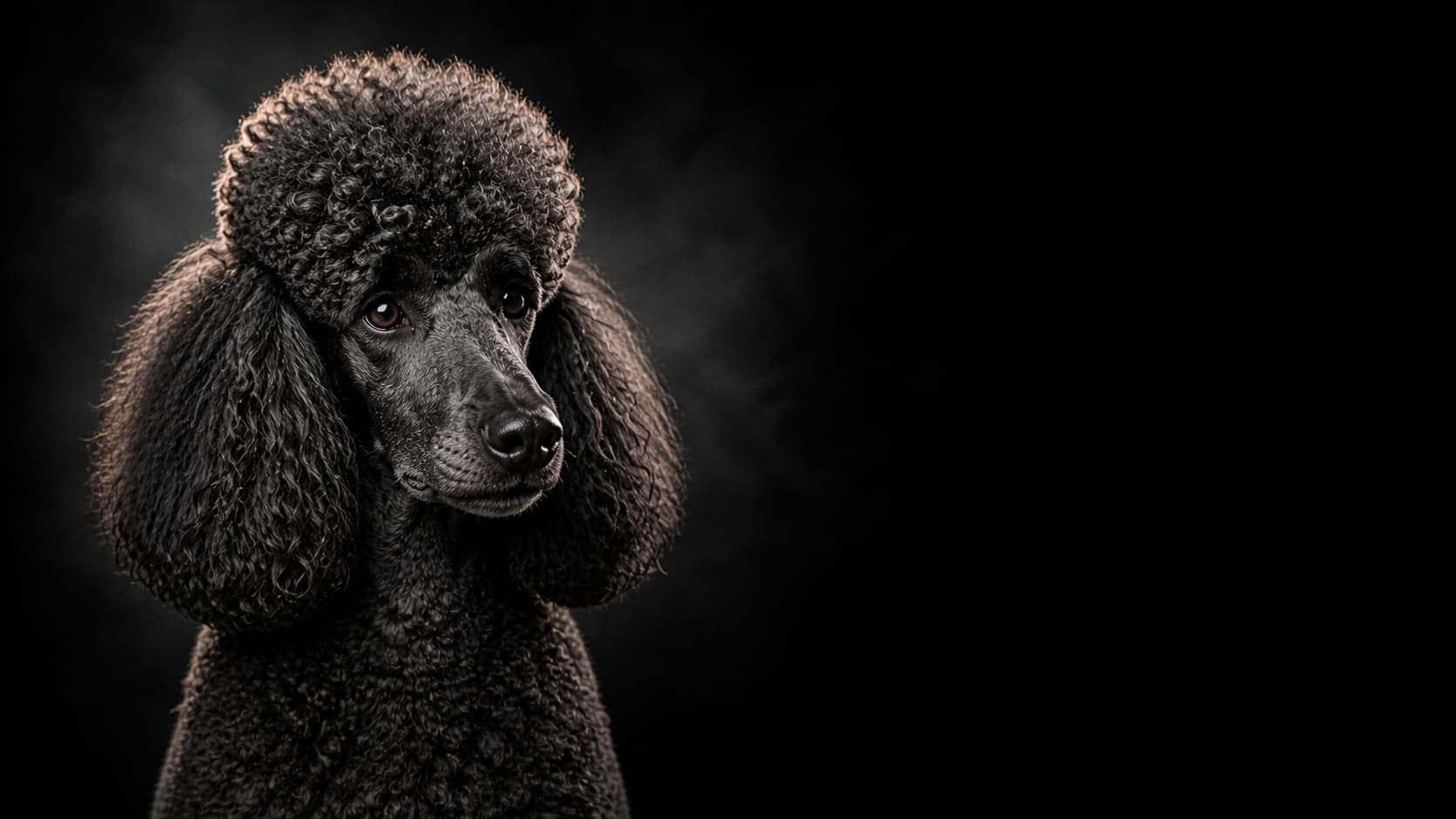
- Poodle
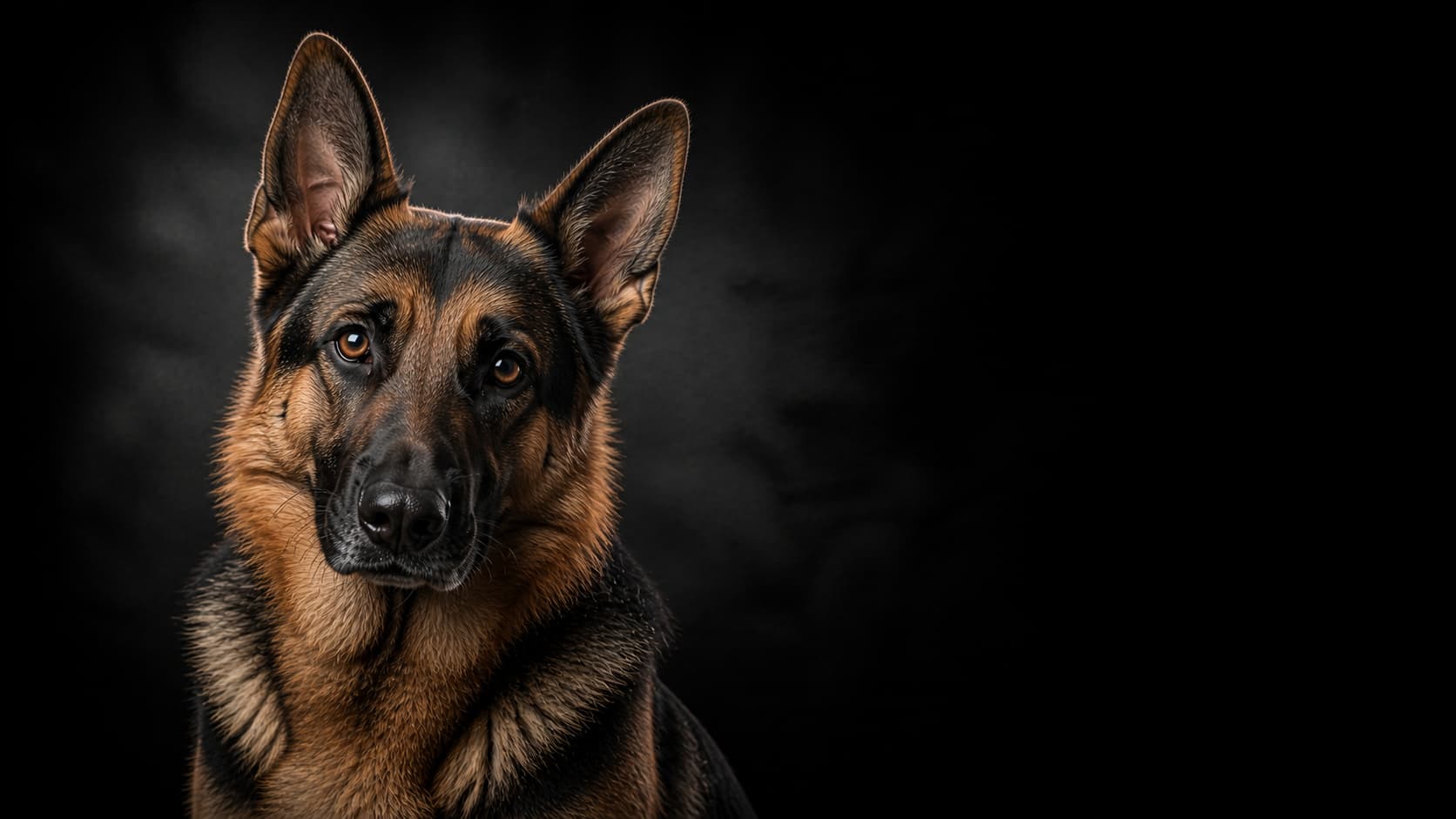
- German Shepherd
- Golden Retriever
- Doberman Pinscher
- Shetland Sheepdog
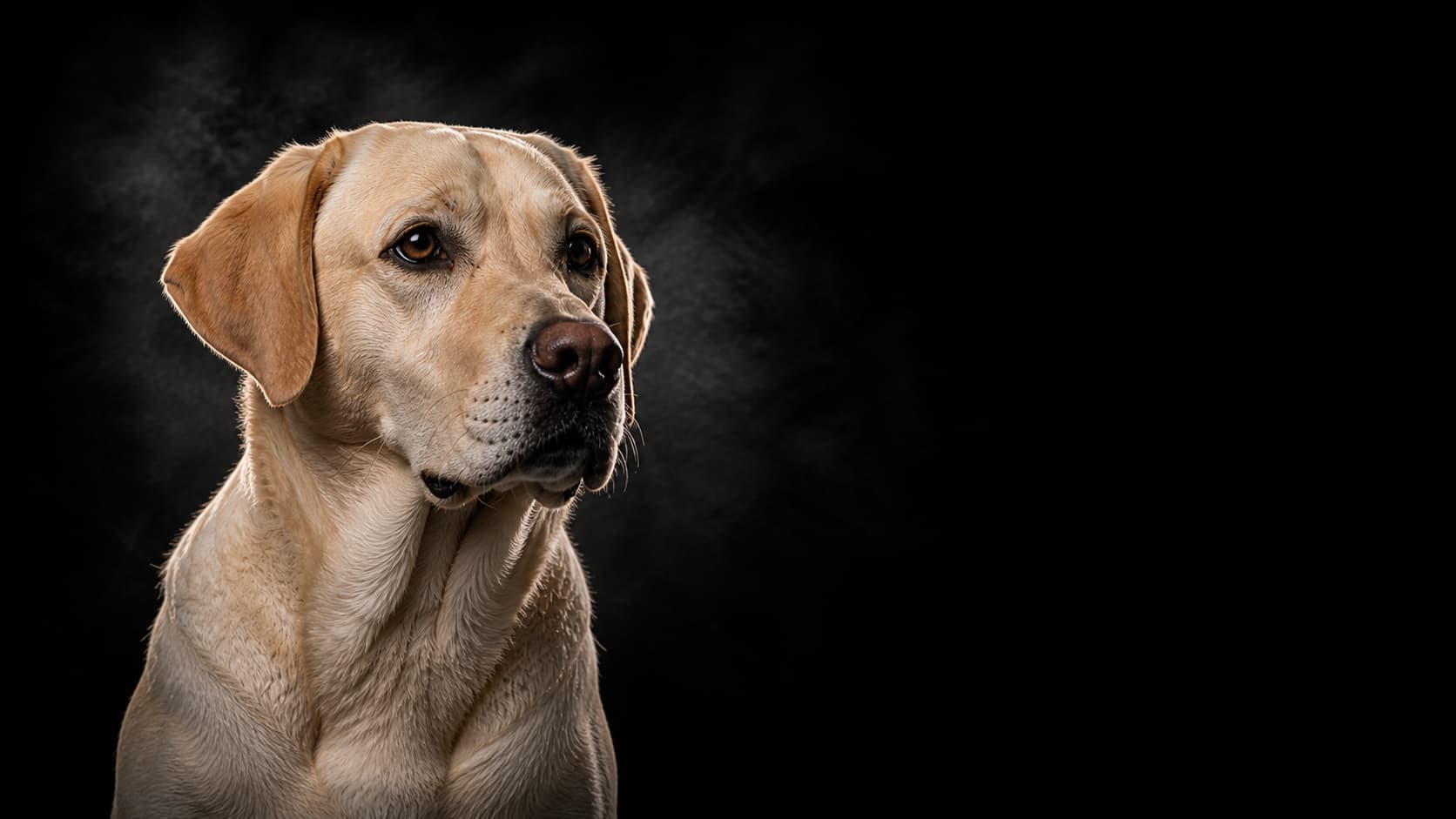
- Labrador Retriever
- Papillon
⭐ Smartest Dog Breeds at a Glance
| Breed | Trainability | Energy | Best For |
|---|---|---|---|
| Border Collie | Very High | Very High | Experienced owners, dog sports, high-engagement homes |
| Poodle | Very High | Medium to High | Families, allergy sufferers, trainable all-around companions |
| German Shepherd | High | High | Experienced owners, working homes, protection and advanced training |
| Golden Retriever | High | Medium to High | Families, first-time owners, active households |
| Doberman Pinscher | High | High | Experienced owners, athletic homes, structured training |
| Shetland Sheepdog | High | Medium | Smaller homes, active owners, dog sports |
| Labrador Retriever | High | Medium to High | Families, first-time owners, versatile active homes |
| Papillon | High | Medium | Apartment living, small-space owners, people wanting a tiny but highly trainable dog |
The breeds listed here consistently rank among the most intelligent dog breeds in the world. The Border Collie tops virtually every intelligence ranking with their legendary work ethic and learning speed. Poodles (in all three sizes) combine trainability with athletic ability and hypoallergenic coats. German Shepherds excel in police and military work thanks to their versatility and loyalty.
Golden Retrievers and Labrador Retrievers balance intelligence with friendly, adaptable temperaments that make them excellent family dogs. The Doberman Pinscher brings together brains, athleticism, and protective instincts. Shetland Sheepdogs pack Border Collie-level smarts into a smaller package, while the tiny Papillon proves that intelligence isn’t determined by size.
Each of these breeds brings something unique to the table, but they all share one requirement: they need owners who can keep up with them mentally and physically.
Border Collie
Brains on Paws

Learn about the Border Collie →
Poodle
Elegance Meets Brains

Learn about the Poodle →
German Shepherd Dog
Loyal to the Bone

Learn about the German Shepherd Dog →
Golden Retriever
Happy to Be Here

Learn about the Golden Retriever →
Doberman Pinscher
Elegance in Motion

Learn about the Doberman Pinscher →
Shetland Sheepdog
Small, Smart, and So Loyal

Learn about the Shetland Sheepdog →
Labrador Retriever
America's favorite fetch-obsessed family dog.

Learn about the Labrador Retriever →
Papillon
Small Dog, Big Brain

Learn about the Papillon →
How to Choose an Intelligent Dog
Trainability vs Independence
Not all intelligence looks the same in dogs. Some highly intelligent breeds are eager to please and hang on your every word, making them highly trainable. Others are equally smart but think for themselves, which can make traditional obedience training frustrating. Breeds like Golden Retrievers and Poodles typically want to work with you, while intelligent independent thinkers like Rhodesian Ridgebacks might question why they should sit for the fifth time today. Neither is better or worse, but you need to match the type of intelligence to your training style and expectations.
Energy and Mental Stimulation Needs
Smart dogs almost always have high energy levels and substantial mental stimulation requirements. A 30-minute daily walk won’t cut it for most intelligent breeds. They need puzzle toys, training sessions, sports like agility or nosework, or actual jobs to do. Border Collies without sheep to herd will herd your children, your cats, or shadows on the wall. German Shepherds need purpose. Poodles need challenges. Budget at least an hour daily for physical exercise plus separate time for mental engagement.
Time Commitment
Intelligent dog breeds demand more of your time than average dogs. Training shouldn’t stop after basic obedience. These dogs keep learning their whole lives. You’ll spend time on exercise, mental games, socialization, and management. If you work long hours and want a dog that’s content to sleep all day, skip the smartest breeds. They’re for people who view dog ownership as an active partnership rather than simply having a pet in the house.
First-Time Owner Considerations
Some intelligent breeds are forgiving of newbie mistakes, while others will exploit every inconsistency. Golden Retrievers and Labrador Retrievers tend to be more forgiving and adaptable, making them reasonable choices for first-time owners willing to put in effort. Border Collies, German Shepherds, and Dobermans are less ideal for inexperienced handlers despite their intelligence (or rather, because of it). These breeds need confident, consistent leadership from day one.
Working vs Companion Intelligence
Consider whether you want a dog bred for intense work or one bred primarily for companionship. Working-line German Shepherds and Border Collies have drive that can be overwhelming in a pet home. Show or companion lines of these same breeds often have their edge softened while retaining intelligence. Poodles, Papillons, and Golden Retrievers developed strong companion appeal alongside their working abilities, which can make them easier to live with as pets.
Using puzzle toys and training tools with structured routines can make a huge difference in managing intelligent breeds and keeping them mentally satisfied.
Smartest Dogs by Category
- Easiest to Train: Golden Retriever, Labrador Retriever, Poodle****
- Most Intelligent Overall: Border Collie, Poodle, German Shepherd****
- Best for First-Time Owners: Golden Retriever, Labrador Retriever, Papillon****
- Most Independent Thinkers: Rhodesian Ridgeback, Husky, Shiba Inu
Smartest Dog Breeds Ranked by Intelligence
Border Collie
Training difficulty: High
Border Collies aren’t just smart. They’re often too smart for their own good in pet homes. Bred to work livestock all day with minimal direction, they learn commands in as few as five repetitions and remember them forever. Their intelligence shows in their problem-solving, their ability to learn by observation, and their almost eerie understanding of human body language and routines. They excel at every dog sport imaginable, from agility to frisbee to obedience competitions.
But this intelligence comes with serious caveats. Border Collies are not beginner dogs and are not suited for casual pet ownership. They need hours of physical and mental exercise daily, and without it, they develop neurotic behaviors like obsessive shadow chasing, destructive chewing, or fixation on lights and movements. They’re best for extremely active owners who want to compete in dog sports or have genuine work for the dog to do. If you can meet their needs, Border Collies form incredibly responsive partnerships unlike any other breed.
Best for: Experienced handlers, dog sports competitors, very active owners with time for intensive daily training and exercise.
Poodle
Training difficulty: Easy
Poodles aren’t the prissy show dogs people imagine. They’re versatile, athletic retrievers originally bred for water work. They come in three sizes (Standard, Miniature, and Toy), all sharing the same sharp intelligence and trainability. Poodles learn quickly, retain training well, and genuinely seem to enjoy problem-solving and learning new skills. They excel in obedience, agility, tracking, and make excellent service dogs.
Their combination of intelligence, low-shedding coat, and adaptability makes them popular, but they’re not low-maintenance. Poodles need regular grooming every 4-6 weeks, daily exercise, and plenty of mental stimulation. They can be sensitive and don’t respond well to harsh corrections. Standards need more exercise than Miniatures or Toys, but all sizes need engagement. Poodles are excellent for active families, people with allergies, or anyone wanting a highly trainable companion who can participate in dog sports.
Best for: Active families, allergy sufferers, dog sports enthusiasts, owners wanting a versatile and trainable companion.
German Shepherd
Training difficulty: Moderate
German Shepherds dominate police and military work for good reason. They combine trainability, intelligence, courage, and loyalty in one powerful package. They’re incredibly versatile, excelling at protection work, search and rescue, detection, service work, and competitive obedience. German Shepherds are highly attuned to their owners, form intense bonds, and have the drive and focus to work in challenging conditions. Their intelligence shows in their ability to learn complex task chains and make decisions in the field.
This is a serious breed that needs serious owners. German Shepherds require extensive socialization as puppies to prevent fearfulness or aggression, consistent training throughout their lives, and plenty of exercise and mental work. They can be aloof with strangers and protective of their families. Poorly bred or poorly raised German Shepherds can have significant temperament issues. They’re best for experienced owners who want a devoted, trainable dog for work, sport, or protection, and who can provide structure and leadership.
Best for: Experienced owners, those seeking working or protection dogs, active households that can provide structure and purpose.
Golden Retriever
Training difficulty: Easy
Golden Retrievers prove that intelligence doesn’t have to come with intensity. They’re genuinely smart dogs who learn quickly and remember well, but they package this intelligence with a friendly, eager-to-please temperament that makes them accessible for average owners. Goldens excel as service dogs, therapy dogs, and search and rescue dogs, showing their trainability and problem-solving in real-world settings.
The breed’s intelligence is matched by their patience and adaptability, making them excellent family dogs. They’re forgiving of training mistakes and generally friendly with everyone, though they still need socialization. Goldens require moderate to high exercise (an hour or more daily), regular grooming, and they shed heavily. They mature slowly and can be goofy adolescents until age two or three. Golden Retrievers are ideal for active families and first-time owners willing to train and exercise them, and anyone wanting a smart dog without the intensity of working breeds.
Best for: Families with children, first-time owners, active households wanting an intelligent but easygoing companion.
Doberman Pinscher
Training difficulty: Moderate
Doberman Pinschers combine intelligence with athleticism, loyalty, and natural protective instincts. They’re highly trainable and learn quickly, making them excellent candidates for protection sports, obedience competition, and personal protection work. Dobermans are observant and aware, constantly assessing their environment and bonding intensely with their families. Their intelligence shows in their ability to discriminate between normal situations and genuine threats.
These are powerful dogs that need confident owners who can provide consistent training and socialization. Well-bred, properly raised Dobermans are stable and trustworthy, but they’re not for passive or inexperienced owners. They need daily vigorous exercise, mental stimulation, and ongoing training. Dobermans can be velcro dogs who want to be with their people constantly. They’re best for experienced owners who want an intelligent, athletic, protective companion and who can provide the structure these dogs need to thrive.
Best for: Experienced owners, those wanting protection or guard dogs, active individuals who can provide firm and consistent leadership.
Shetland Sheepdog
Training difficulty: Easy
Shetland Sheepdogs are essentially downsized Border Collies with slightly softer temperaments, though they still pack serious intelligence and herding instinct. Shelties excel in obedience and agility competitions, often placing at the top of their classes. They’re quick learners, highly responsive to training, and eager to work with their owners. Their intelligence combined with their smaller size (around 20-25 pounds) makes them more manageable than full-size herding breeds.
Shelties are vocal dogs who bark to alert and communicate, which can be problematic in close quarters. They can be reserved with strangers and need socialization. They’re sensitive dogs who don’t respond well to harsh corrections. Shelties need daily exercise and mental stimulation, but their requirements are more modest than Border Collies. They’re excellent for people who want herding breed intelligence in a medium-sized package, people interested in dog sports, or active individuals in smaller living spaces.
Best for: Dog sports enthusiasts, apartment dwellers wanting a smart herding breed, owners seeking intelligence in a medium-sized package.
Labrador Retriever
Training difficulty: Easy
Labrador Retrievers have been America’s most popular breed for decades, partly because they balance intelligence with an easygoing, family-friendly temperament. Labs are smart enough to serve as guide dogs, detection dogs, and search and rescue dogs, but adaptable enough to be excellent pets. They learn quickly, are highly food-motivated (which aids training), and generally want to please their people.
The breed’s intelligence is practical, not intense. They’re problem-solvers who adapt well to most situations. Labs need substantial exercise (at least an hour daily) and don’t fully mature until age two or three, meaning you’ll have a large, exuberant puppy for a while. They can be destructive if under-exercised and will eat almost anything. Labrador Retrievers are ideal for active families, first-time owners committed to training and exercise, and anyone wanting a smart, versatile dog without extreme personality traits.
Best for: Active families, first-time owners, households wanting a versatile and trainable companion without high intensity.
Papillon
Training difficulty: Easy
Papillons demolish the stereotype that toy breeds are empty-headed accessories. These little dogs (under 10 pounds) consistently rank among the smartest breeds and dominate agility competitions in their size class. Papillons are quick learners who excel at obedience training and tricks, proving that intelligence has nothing to do with size. They’re alert, curious, and eager to learn, making them surprisingly versatile for their size.
Despite their small stature, Papillons have moderate exercise needs and substantial mental stimulation requirements. They’re sturdy little dogs, not fragile, but they can be injured by rough handling or large dogs. Papillons can be vocal and need socialization to prevent suspicion of strangers. They’re excellent for people who want a highly trainable small dog, apartment dwellers interested in dog sports, or anyone seeking intelligence without the exercise requirements of larger breeds.
Best for: Apartment living (with training), small-space owners, those wanting a small but highly trainable dog, seniors or individuals seeking intelligence without high exercise demands.
Dogs That May Be Smart but Challenging
Siberian Husky
Siberian Huskies are clearly intelligent. They had to be, to survive in harsh Arctic conditions. But their intelligence is combined with independence, strong prey drive, and a mischievous personality that makes them challenging pets. Huskies are escape artists who can outsmart most fencing and confinement systems. They’re selective about obedience and bred to make decisions while running long distances, not to follow commands obediently. Training a Husky requires patience and accepting that they’ll never have Golden Retriever-style reliability off-leash. They need extensive exercise, do poorly in hot climates, and are vocal. Huskies are best for experienced owners who appreciate their independent spirit and won’t be frustrated by their selective deafness to commands.
Shiba Inu
Shiba Inus have intelligence paired with a cat-like independent streak and strong will. They’re perfectly capable of learning commands. They just need a good reason to follow them. Shibas are clever problem-solvers who will find ways around rules if given the opportunity. They’re extremely clean and often housebreak easily, but obedience training is a different story. Shibas can be possessive of food and toys, aloof with strangers, and dog-aggressive without proper socialization. They have strong prey drive and are notorious escape artists. Training requires consistency, patience, and realistic expectations. Shibas are best for experienced owners who appreciate their dignity and independence rather than expecting eager-to-please obedience.
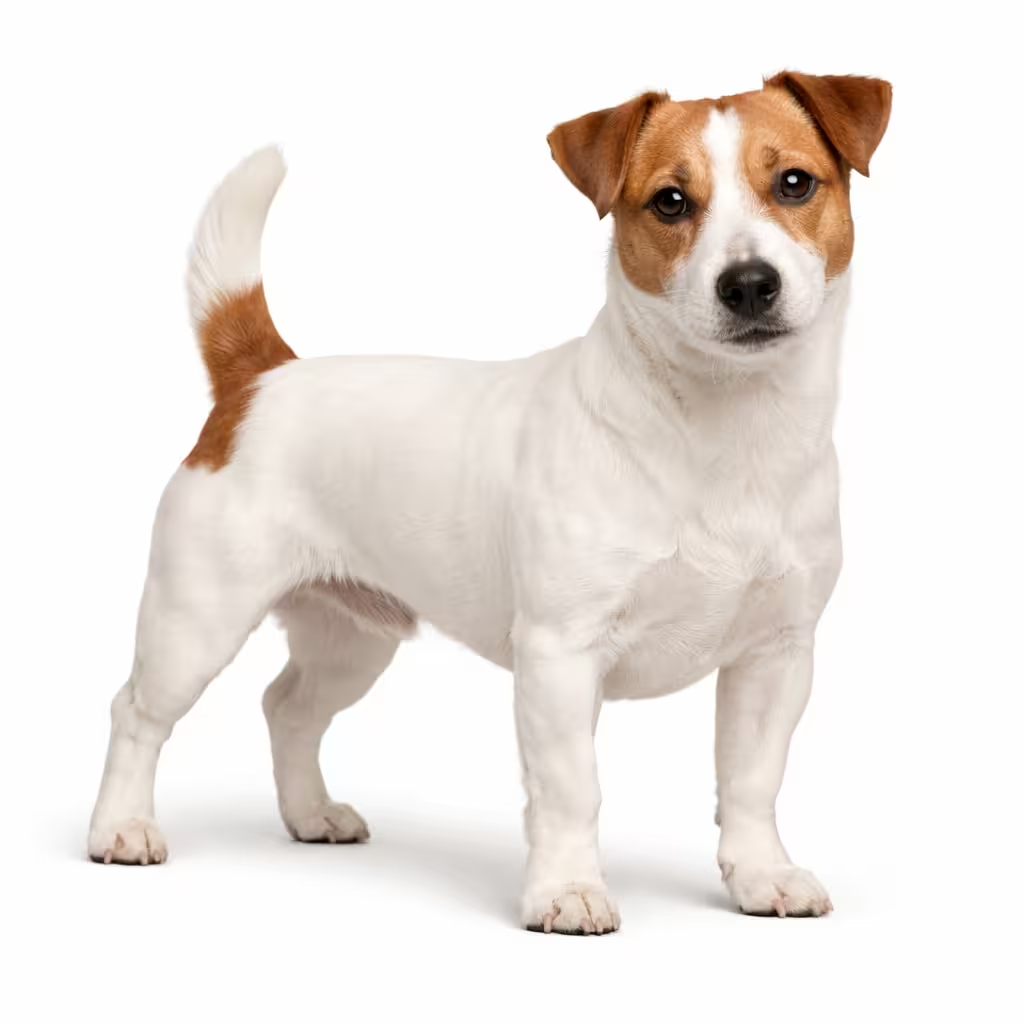
Jack Russell Terrier
Jack Russell Terriers are brilliant little dogs with energy that outlasts most owners. Bred to hunt foxes and work independently, they’re fearless, tenacious, and clever problem-solvers. Russells learn quickly but apply their intelligence to getting what they want, which often conflicts with what you want. They’re easily bored and destructive without sufficient outlets. Their high prey drive makes them dangerous around small pets. Russells need extensive exercise, mental stimulation, and firm boundaries, or they’ll run the household. Training is essential but challenging because they’re easily distracted and independent. They’re best for very active, experienced owners who can provide jobs and structure, not for people wanting a cuddly lap dog.
Rhodesian Ridgeback
While intelligent, Rhodesian Ridgebacks deserve mention here because their intelligence doesn’t look like traditional obedience. They’re thinking dogs who evaluate situations before responding, which can appear stubborn or slow to learn. In reality, Ridgebacks learn quickly but choose when to comply. This independent intelligence served them well in their original work but can frustrate owners expecting immediate responses. Ridgebacks need experienced handlers who use positive methods and respect their dignity. Harsh corrections can make them shut down or distrust. They’re powerful dogs with strong prey drive and guardian instincts, requiring proper socialization and training from puppyhood. Ridgebacks aren’t beginner dogs despite being wonderful companions for the right owners.
Conclusion
Smart breeds make incredible partners for owners ready to meet their needs. But smarts alone shouldn’t drive your pick. A smart dog without proper outlets turns into a problem dog, not a dream pet. These breeds need daily brain work, steady training, enough exercise, and owners who treat the dog’s smarts as something to feed, not something that runs itself.
Matching a dog’s intelligence type and energy level to your lifestyle is far more important than simply choosing the highest-ranking breed. A Golden Retriever might be smarter than some breeds but easier to live with than a Border Collie. A Papillon offers serious intelligence without the exercise demands of a German Shepherd. Consider what you want to do with your dog, how much time you can dedicate to training and exercise, and what type of intelligence fits your experience level and personality.
Owning a smart breed means staying on it for life. You don’t train one for six months and coast. These are partners who need work, learning, and purpose. If you’re ready for that, smart breeds give you one of the best dog relationships out there. If you want something easier, there’s no shame in picking a breed that’s plenty smart but less demanding. The best dog is the one that fits your real life, not the life you imagine. If you go with a smart breed, our training guides, the right tools, and structured routines will make a huge difference in your dog’s behavior and happiness.