Best Dogs for Seniors

Finding the right canine companion during your golden years can bring immense joy, comfort, and purpose to daily life. Whether you're a senior looking for a loyal friend or a family member helping an aging loved one choose a pet, selecting the right dog breed makes all the difference. The best dogs for seniors offer affectionate companionship without overwhelming physical demands or complicated care routines.

The ideal senior dog should match your lifestyle, living situation, and physical capabilities. While every dog needs exercise, attention, and care, some breeds naturally align better with the pace and needs of older adults. These dogs are typically gentle, adaptable, and content with moderate activity rather than needing hours of exercise each day.

When searching for the best dogs for seniors, several key factors come into play. Energy level matters significantly, as does the dog's size and how easy they are to physically manage during walks or vet visits. Trainability affects how smoothly a new dog integrates into your home, while grooming needs determine the ongoing time and expense required to keep your pet healthy and comfortable.

The good news is that many wonderful breeds fit the bill perfectly. From small lap dogs that love to cuddle to slightly larger companions with calm dispositions, there's likely a perfect match waiting to become your new best friend. Let's explore the top choices and what makes each one special for senior owners.

⭐ Best Dogs for Seniors (Quick Picks)

How to Choose the Right Dog for Seniors

Selecting a dog that fits your current lifestyle requires honest assessment of your daily routine, physical abilities, and living environment. Energy level stands as one of the most critical factors. Low to moderate energy dogs are typically content with short walks around the neighborhood and indoor play sessions. They don't require extensive running, hiking, or constant stimulation. These dogs adapt well to quieter households and are happy to spend most of their day relaxing beside you.

Size and handling ease directly impact your ability to manage your dog safely. Smaller breeds (under 20 pounds) are easier to lift if needed, simpler to control on walks, and less likely to accidentally knock you over. However, some calm medium-sized dogs also make excellent companions for seniors who can handle a bit more weight. Consider whether you can comfortably pick up the dog for vet visits, car trips, or emergencies. Also think about leash control - even a medium-sized dog that pulls can create balance issues.

Grooming and maintenance requirements vary dramatically between breeds. Some dogs need professional grooming every six to eight weeks, while others require only basic brushing at home. Long coats tend to mat without regular care, and certain breeds need frequent bathing or special attention to facial folds. If limited mobility, arthritis, or budget constraints make regular grooming challenging, choose a breed with simpler coat care needs. Similarly, consider health factors specific to certain breeds, as some require more frequent vet visits or have costly medical predispositions.

Temperament may be the most important consideration of all. The best dogs for seniors are affectionate, adaptable, and emotionally stable. They should be friendly without being hyperactive, alert without being constantly anxious, and independent enough to handle alone time without destructive behavior. Avoid breeds known for stubbornness, excessive barking, or strong guarding instincts unless you have specific experience managing these traits. A predictable, gentle personality creates the foundation for a harmonious relationship.

Best Dogs for Seniors

Shih Tzu

Royal Lap Gremlin
XS
9
-
16
lbs

Bichon Frise

Cushion with a Personality
SMALL
12
-
18
lbs

Maltese

Luxury in a Lap Dog
XS
4
-
7
lbs

French Bulldog

Small Dog, Big Personality
SMALL
16
-
28
lbs

Pug

Clown in a Fur Coat
SMALL
14
-
18
lbs

Cocker Spaniel

Sweet, Silky, and So Loyal
MEDIUM
20
-
30
lbs

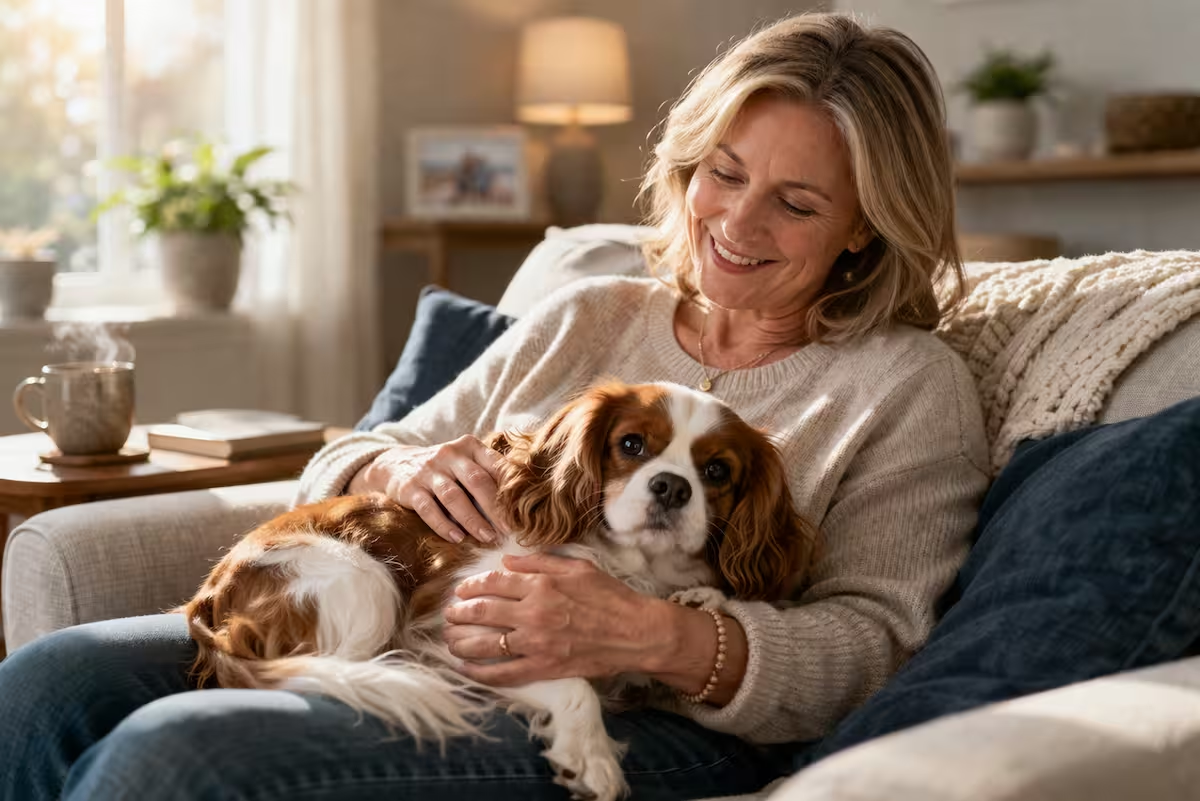
Cavalier King Charles Spaniel - The Gentle Companion

The Cavalier King Charles Spaniel consistently ranks among the best dogs for seniors thanks to their sweet, adaptable nature and moderate size. Weighing between 13 and 18 pounds, these dogs are small enough to manage easily but sturdy enough that they won't get injured during normal handling. Cavaliers are genuinely affectionate dogs that form deep bonds with their owners and thrive on companionship. They're equally happy cuddling on the couch or taking a leisurely walk around the block.

These spaniels have moderate energy levels that match well with senior lifestyles. A couple of short walks daily plus some indoor playtime keeps them physically and mentally satisfied. They're also highly trainable and eager to please, making them easier to manage even for first-time dog owners. The main consideration is grooming - their silky coats need regular brushing to prevent tangles - and potential heart issues that affect the breed, so regular veterinary checkups are essential.

Shih Tzu - The Devoted Lap Dog

Originally bred as companion animals for Chinese royalty, Shih Tzus excel at their historical purpose. These small dogs (9 to 16 pounds) were literally designed to be loving, attentive companions who stay close to their people. Shih Tzus have relatively low exercise needs and are perfectly content living in apartments or smaller homes. Their friendly, outgoing personalities make them delightful housemates who get along well with visitors and other pets.

While Shih Tzus are wonderful companions, potential owners should know they require significant grooming commitment. Their long, flowing coats need daily brushing and professional grooming every six to eight weeks, or you can opt for a shorter "puppy cut" that's much easier to maintain. They can also be a bit stubborn during training, though positive reinforcement and patience typically win them over. For seniors who enjoy or don't mind grooming routines, the Shih Tzu's affectionate nature and manageable size make them excellent choices.

Bichon Frise - The Cheerful and Hypoallergenic Option

The Bichon Frise brings a cheerful, playful energy to the home without being overwhelming. These small white fluffy dogs (12 to 18 pounds) have wonderful personalities that balance playfulness with adaptability. They're social and affectionate without being needy, and they generally get along beautifully with people of all ages. One significant advantage for some seniors is their hypoallergenic coat, which produces less dander than many other breeds.

Bichons do have moderate exercise needs and enjoy daily walks and play sessions, but they're not demanding athletes. They adapt well to their owner's pace and energy level. The grooming requirement is substantial - their curly coats need regular professional grooming to prevent matting - but many seniors find their friendly disposition and minimal shedding worth the grooming investment. These dogs are also relatively healthy and long-lived, often reaching 14 to 15 years with proper care.

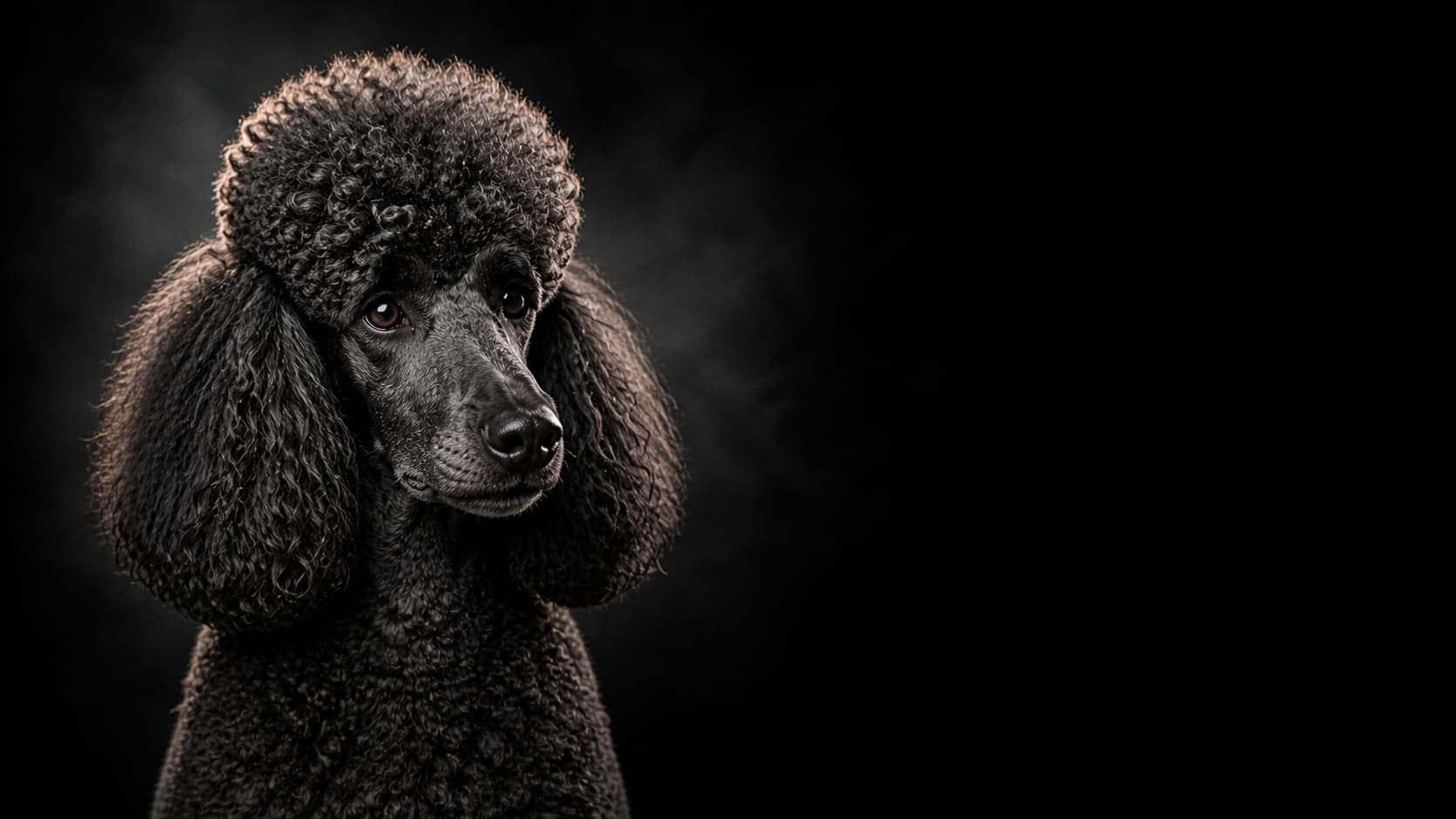
Poodle (Miniature) - The Intelligent and Versatile Companion

Miniature Poodles combine intelligence, trainability, and a hypoallergenic coat in a manageable 10 to 15 pound package. Don't let their fancy reputation fool you - Poodles are remarkably practical pets who adapt beautifully to various living situations. They're highly intelligent and easy to train, which means they quickly learn household routines and good manners. Their alertness makes them excellent watchdogs who'll notify you of visitors without excessive barking.

These dogs have moderate energy levels and enjoy daily walks and mental stimulation through training or puzzle toys. They bond strongly with their owners and are intuitive about matching their person's mood and energy. The grooming requirement is the main consideration - Poodles need professional grooming every six to eight weeks to keep their continuously growing coat manageable. However, their minimal shedding and hypoallergenic qualities make them ideal for seniors with allergies or those who prefer a cleaner home environment.

Maltese - The Tiny, Devoted Friend

Weighing just 4 to 7 pounds, the Maltese is one of the smallest breeds on this list and an excellent choice for seniors who want a truly portable companion. These tiny dogs are surprisingly hardy despite their delicate appearance, and they form incredibly strong bonds with their owners. Maltese dogs are content to spend hours in your lap and require minimal space, making them perfect for apartment living or smaller homes.

Their exercise needs are easily met with short walks and indoor play, and many Maltese are happy with just indoor activity on bad weather days. They're generally friendly and gentle, though some can be a bit yappy if not properly trained. Like most long-coated breeds, Maltese require regular grooming to keep their white coats clean and tangle-free, or you can maintain them in a short, practical clip. For seniors seeking a small, devoted companion with minimal exercise demands, the Maltese is hard to beat.

French Bulldog - The Low-Key Charmer

French Bulldogs have surged in popularity for good reason - they're charming, affectionate, and genuinely low-maintenance in terms of exercise needs. These compact, muscular dogs (16 to 28 pounds) are calm, adaptable, and surprisingly good at entertaining themselves when necessary. Frenchies don't require much exercise at all; short walks and brief play sessions satisfy their physical needs. They're happiest being near their people, whether that means lying on the couch or following you around the house.

French Bulldogs are ideal for seniors who want a sturdy, manageable dog with minimal grooming needs (their short coat requires only basic brushing) and low exercise demands. However, potential owners should be aware of breed-specific health concerns. Frenchies are brachycephalic (flat-faced), which can cause breathing difficulties, especially in hot weather or with overexertion. They also tend to have higher veterinary costs than some breeds. For seniors prepared for potential health expenses, Frenchies make wonderfully devoted, low-energy companions.

Pug - The Comical and Loving Companion

Pugs pack enormous personality into their small 14 to 18 pound bodies. These dogs are genuinely comical, with expressive faces and charming antics that keep their owners entertained and smiling. Pugs are deeply affectionate and thrive on human companionship, making them wonderful dogs for seniors who spend considerable time at home. They have low to moderate energy levels and are perfectly content with short walks and indoor lounging.

Like French Bulldogs, Pugs are brachycephalic and can have breathing difficulties, particularly in hot or humid weather. They're prone to weight gain, so portion control is important despite their expert begging skills. Their short coats are easy to maintain, though their facial wrinkles need regular cleaning to prevent irritation or infection. For seniors who want a loving, funny companion with modest exercise needs and can manage potential health considerations, Pugs make delightful pets.

Cocker Spaniel - The Gentle and Adaptable Family Dog

Cocker Spaniels are slightly larger than other breeds on this list (20 to 30 pounds) but remain manageable for most seniors. These dogs are renowned for their gentle, sweet temperaments and beautiful, soulful eyes. Cockers are adaptable and get along wonderfully with people and other pets. They're playful without being hyperactive and calm enough to relax indoors for extended periods. Their moderate energy level means they enjoy daily walks but don't require intensive exercise.

Cocker Spaniels are affectionate and bond strongly with their families, making them excellent companions for seniors who want a slightly larger dog without extreme size. The main consideration is grooming - their long, silky coats require regular brushing and professional grooming to prevent matting and to keep their distinctive feathering looking neat. Their long ears also need regular cleaning to prevent infections. For seniors comfortable with grooming requirements or able to budget for professional care, Cocker Spaniels offer wonderful companionship in a manageable package.

Dogs That May Not Be Ideal for Seniors

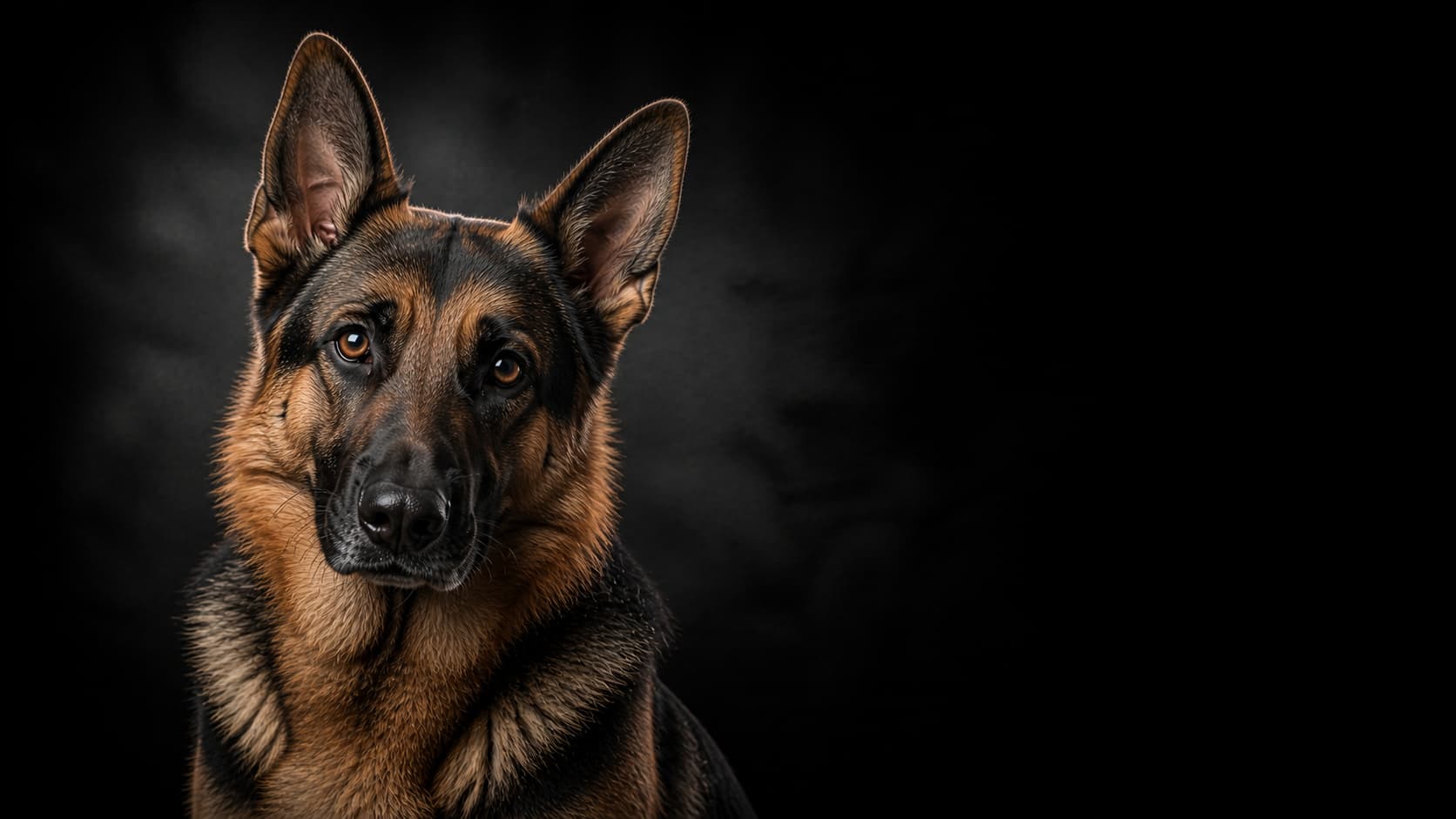
While nearly any dog can work in the right situation, certain breeds typically pose challenges for senior owners. High-energy breeds like Border Collies, Australian Shepherds, Huskies, and Jack Russell Terriers require extensive daily exercise and mental stimulation. These dogs were bred for demanding jobs like herding livestock or hunting, and they become frustrated, destructive, or difficult to manage without several hours of activity daily. Even daily walks often aren't enough - they need running, challenging training, or dog sports to stay balanced.

Very large breeds present different concerns. Dogs like Great Danes, Mastiffs, or Saint Bernards can weigh 100 to 200 pounds, making them difficult to control on walks, impossible to lift if injured, and potentially dangerous if they accidentally knock someone over. Large dogs also have higher food costs, bigger veterinary expenses, and generally shorter lifespans than smaller breeds. While some calm large breeds can work for active, strong seniors, most people do better with more manageable sizes.

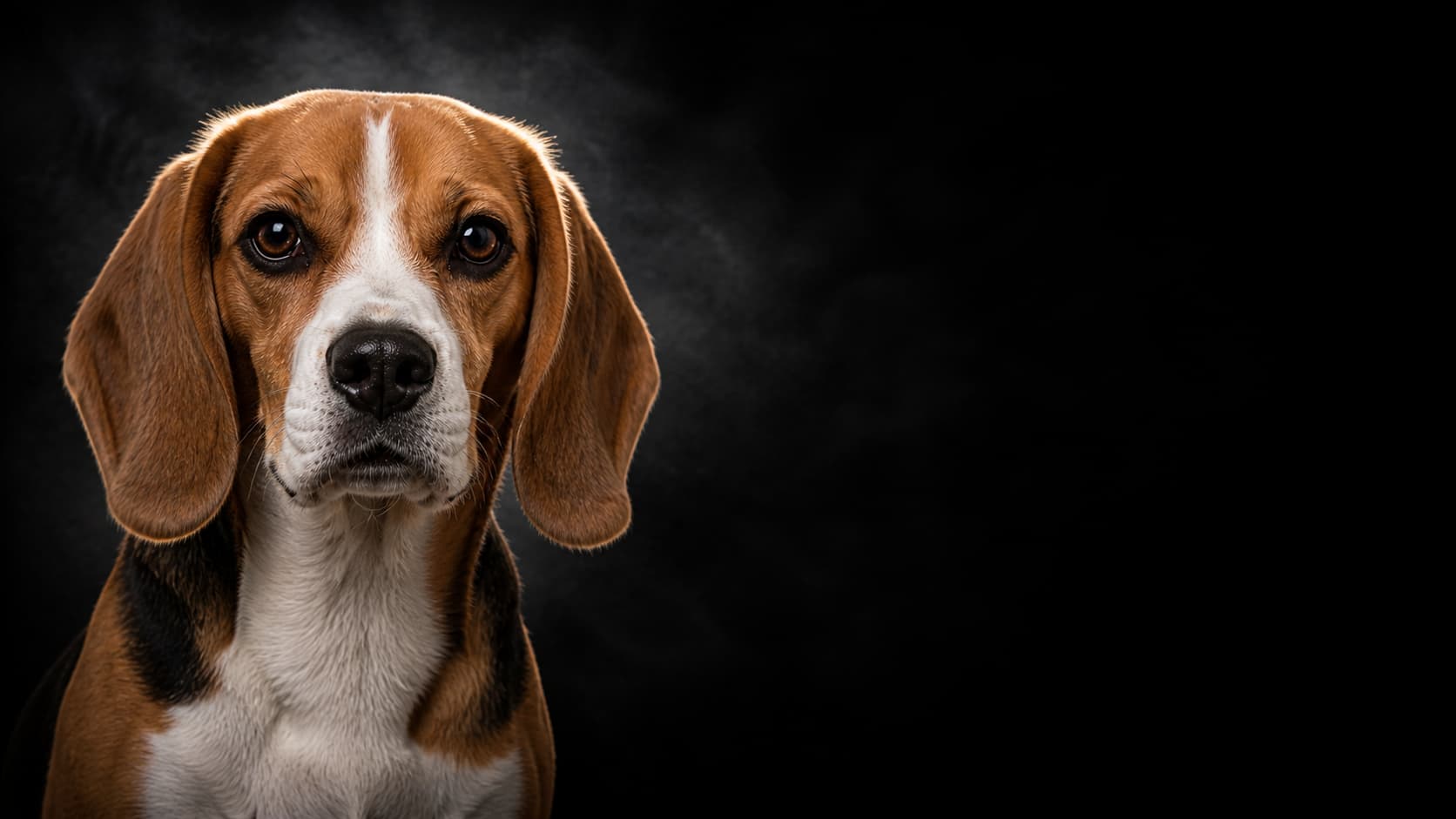
Certain breeds are also known for stubbornness, independence, or strong-willed personalities that make training challenging. Breeds like Beagles (scent-driven and prone to wandering), Basset Hounds (stubborn), or terriers (feisty and tenacious) can be wonderful dogs but often require experienced handling and firm, consistent training. Similarly, guard breeds with strong protective instincts may pose liability concerns or require specialized training beyond what many seniors want to invest. Matching temperament to your experience level and lifestyle prevents frustration for both you and your dog.

Conclusion

Choosing the best dogs for seniors comes down to honest assessment of your lifestyle, physical capabilities, and what you want in a companion. The breeds listed here all offer wonderful qualities for older adults, from the tiny, devoted Maltese to the slightly larger, gentle Cocker Spaniel. What matters most is finding a dog whose energy level, size, grooming needs, and temperament align with your daily routine and abilities.

Remember that individual personality varies even within breeds, and adult dogs or older puppies often allow you to better assess actual temperament before committing. Whether you prefer a lap dog who rarely leaves your side or a slightly more independent companion for leisurely walks, there's a perfect match waiting to enrich your life. The companionship, purpose, and unconditional love that dogs provide make them invaluable additions to the senior years.

Frequently Asked Questions

What is the best dog for seniors?

The best dog for seniors depends on individual circumstances, but Cavalier King Charles Spaniels consistently rank at the top for their gentle temperament, manageable size (13-18 pounds), and moderate energy level. They're affectionate without being hyperactive, adaptable to various living situations, and bond deeply with their owners. Other excellent choices include Poodles (Miniature), Shih Tzus, and Bichon Frises, each offering slightly different characteristics to match different preferences.

What is the easiest dog for an older person to take care of?

French Bulldogs and Pugs are among the easiest dogs for seniors to care for due to their minimal exercise requirements, short coats that need little grooming, and calm, low-maintenance personalities. They're content with brief walks and indoor time, and they don't require professional grooming. However, both breeds can have health issues related to their flat faces, so "easiest" depends on whether you're prioritizing daily care versus potential veterinary needs.

Are small dogs better for seniors?

Small dogs generally work better for most seniors because they're easier to physically manage, control on walks, and lift if necessary. They also require less food, produce less waste, and often live longer than larger breeds. However, small doesn't automatically mean better - temperament, energy level, and grooming needs matter just as much as size. Some calm, medium-sized dogs (like Cocker Spaniels) work beautifully for seniors who can handle a bit more weight and want a sturdier companion.

What is the calmest dog breed for seniors?

Among dogs suitable for seniors, French Bulldogs and Cavalier King Charles Spaniels are exceptionally calm. French Bulldogs are naturally low-energy and content to lounge around the house most of the day. Cavaliers are gentle, adaptable, and rarely hyperactive, though they enjoy moderate activity more than Frenchies. Pugs are also notably calm and make excellent lap dogs for seniors wanting a relaxed, affectionate companion with minimal energy demands.

Should seniors get a puppy or an adult dog?

Most seniors do better with adult dogs (2 years or older) rather than puppies. Adult dogs are already housetrained, past the destructive chewing phase, and have established personalities you can evaluate before adopting. Puppies require extensive training, frequent bathroom breaks (including nighttime), puppy-proofing your home, and high energy that can be exhausting. However, if you want a puppy and have the energy and patience for training, getting one around 6 to 12 months old (past the earliest, most demanding stage) offers a middle ground.

What dog is best for an elderly person living alone?

For seniors living alone, Cavalier King Charles Spaniels, Miniature Poodles, or Havanese (similar to Bichons) are excellent choices. These breeds are devoted companions who bond strongly with a single person, provide emotional support and purpose, and are alert enough to bark when someone's at the door without being excessive watchdogs. They're also sized appropriately for one person to handle and have moderate needs that a single senior can reasonably manage. The key is choosing a breed that's affectionate and social but not prone to severe separation anxiety.

🐾 Just brought home a puppy?

Start with the Raising a Puppy Guide — a step-by-step roadmap covering every stage of puppy development, or jump into one of our other detailed guides.

First 48 Hours With a New Puppy: What to Expect and How to Set the Right Foundation
A collection of puppy supplies including a black wire crate with a gray blanket, food bowls, puppy food bag, toys, collars, leash, harness, medication bottle, diaper pads, and cleaning spray on a light blue background.New Puppy Checklist: Supplies You Need Before Bringing Your Puppy Home

And if you’re ready to go even deeper, grab a copy of the book: Help! I Got a Puppy. It’s everything you didn’t know you needed to know.

Learn about the different dog breed groups