Best Dogs For Allergies

If you love dogs but suffer from allergies, you're not alone. Millions of people experience sneezing, itchy eyes, and congestion around pets, yet the desire to share your home with a loyal companion doesn't disappear just because your immune system protests. The good news is that you don't have to give up on the dream of dog ownership.

The main concerns for allergy sufferers revolve around shedding, dander, and saliva. When dogs shed, they release tiny flakes of skin called dander into your home, which contains proteins that trigger allergic reactions. These allergens become airborne, settle on furniture, and can make life uncomfortable for sensitive individuals. It's a legitimate concern that deserves careful consideration before bringing a dog home.

Here's the truth: no dog breed is completely hypoallergenic. Every dog produces dander, saliva, and urine, all of which contain allergens. However, certain breeds are far more allergy-friendly than others. Low-shedding dogs with predictable coat types tend to spread fewer allergens throughout your home, making them much better choices for people with allergies. The right breed, combined with proper grooming and home care, can make dog ownership possible even for allergy sufferers.

⭐ Best Hypoallergenic Dogs (Quick Picks for Allergy Sufferers)

If you're looking for allergy-friendly breeds, these dogs are widely considered the best options:

If you’re still exploring your options, you may also want to check out our guides on best dogs for apartments or best dogs for first-time owners, which include several allergy-friendly breeds.

How to Choose the Right Dog for Allergies

Understanding the difference between shedding and dander is crucial when selecting an allergy-friendly dog. Many people think shedding is the main problem, but it's actually the dander that causes most allergic reactions. Shedding simply spreads that dander around more efficiently. A dog that doesn't shed much will keep more dander trapped in its coat rather than floating through your air and landing on your couch.

Coat type matters significantly. Dogs with curly or wiry coats tend to trap dander rather than releasing it into the environment. There's also an important distinction between hair and fur. Breeds with hair (like Poodles and Maltese) have a growth cycle more similar to human hair. They shed minimally and continuously rather than blowing their coat seasonally. Dogs with fur (like Labradors) go through heavy shedding cycles that distribute massive amounts of dander.

Grooming requirements go hand in hand with allergy-friendly breeds. Most low-shedding dogs need regular professional grooming every 6-8 weeks, along with consistent brushing at home. This isn't just about appearance. Regular grooming removes loose hair and dander before it spreads through your home. It's a non-negotiable commitment if you want to minimize allergic reactions. Investing in the right grooming tools, HEPA vacuum, and air purifier can dramatically reduce allergens and make living with a dog much more comfortable.

Your home environment plays a major role in managing pet allergies. Even with an allergy-friendly breed, you'll need to vacuum frequently with a HEPA filter vacuum, wash dog bedding regularly, and consider using air purifiers in common areas. Keeping your dog out of bedrooms can also significantly reduce nighttime symptoms. Hard floors are better than carpet for allergy sufferers, as they don't trap dander the way carpeting does.

Individual sensitivity varies widely among allergy sufferers. Some people react strongly to one breed but have no issues with another. If possible, spend time with the specific breed you're considering before committing. Visit breeders, meet friends who own that breed, or volunteer at a rescue that has the type of dog you're interested in. Your personal reaction is the most important factor in choosing the right dog.

Best Dogs for Allergies

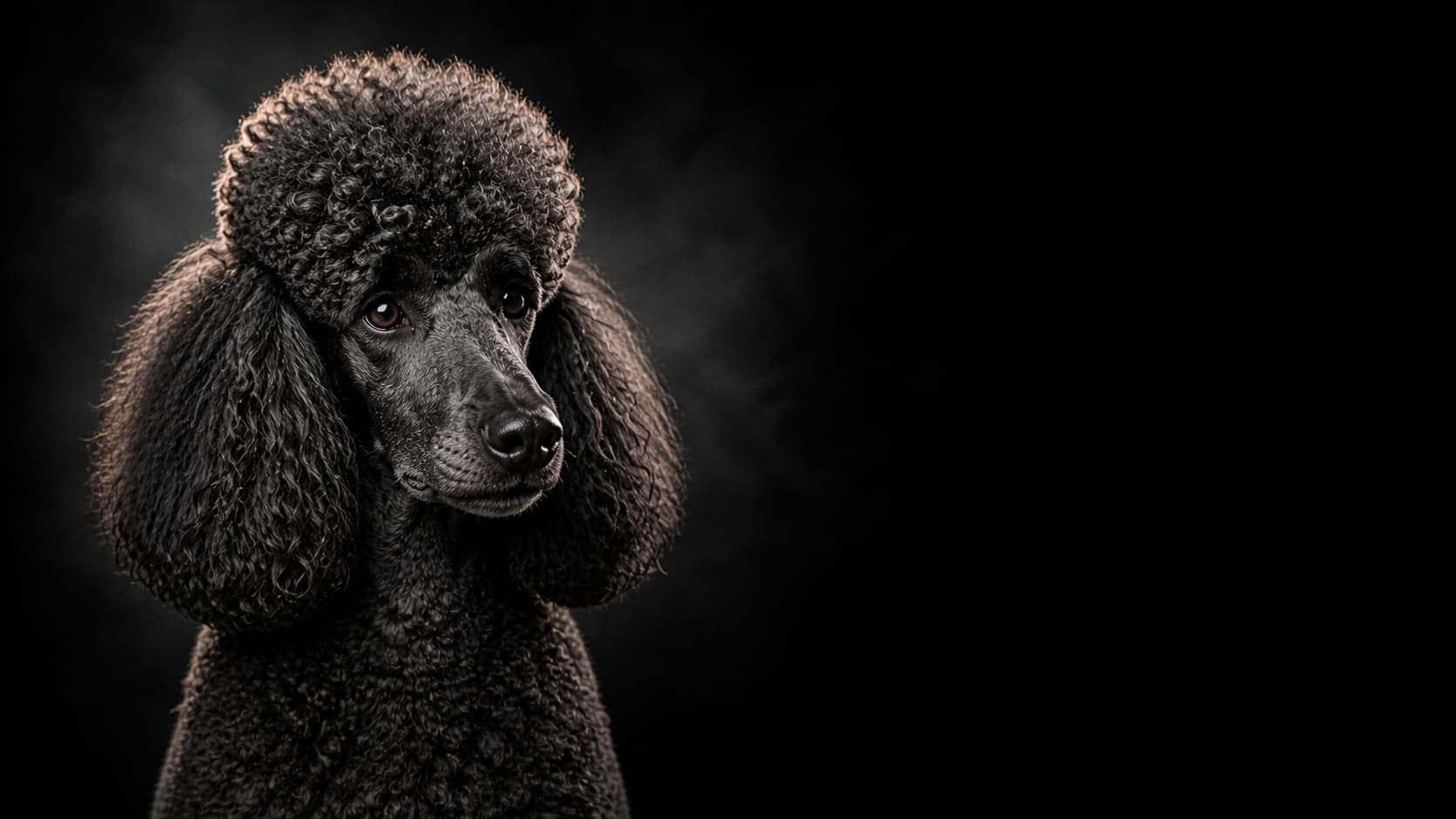
Poodle

Elegance Meets Brains
MEDIUM
4
-
70
lbs

Bichon Frise

Cushion with a Personality
SMALL
12
-
18
lbs

Maltese

Luxury in a Lap Dog
XS
4
-
7
lbs

Portuguese Water Dog

Curly-Coated Athlete
MEDIUM
35
-
60
lbs

Miniature Schnauzer

Small Beard, Big Boss Energy
SMALL
11
-
20
lbs

Yorkshire Terrier

Tiny Dog, Major Drama
XS
4
-
7
lbs

Havanese

Fluffy, Funny, and Full of Love
XS
7
-
13
lbs

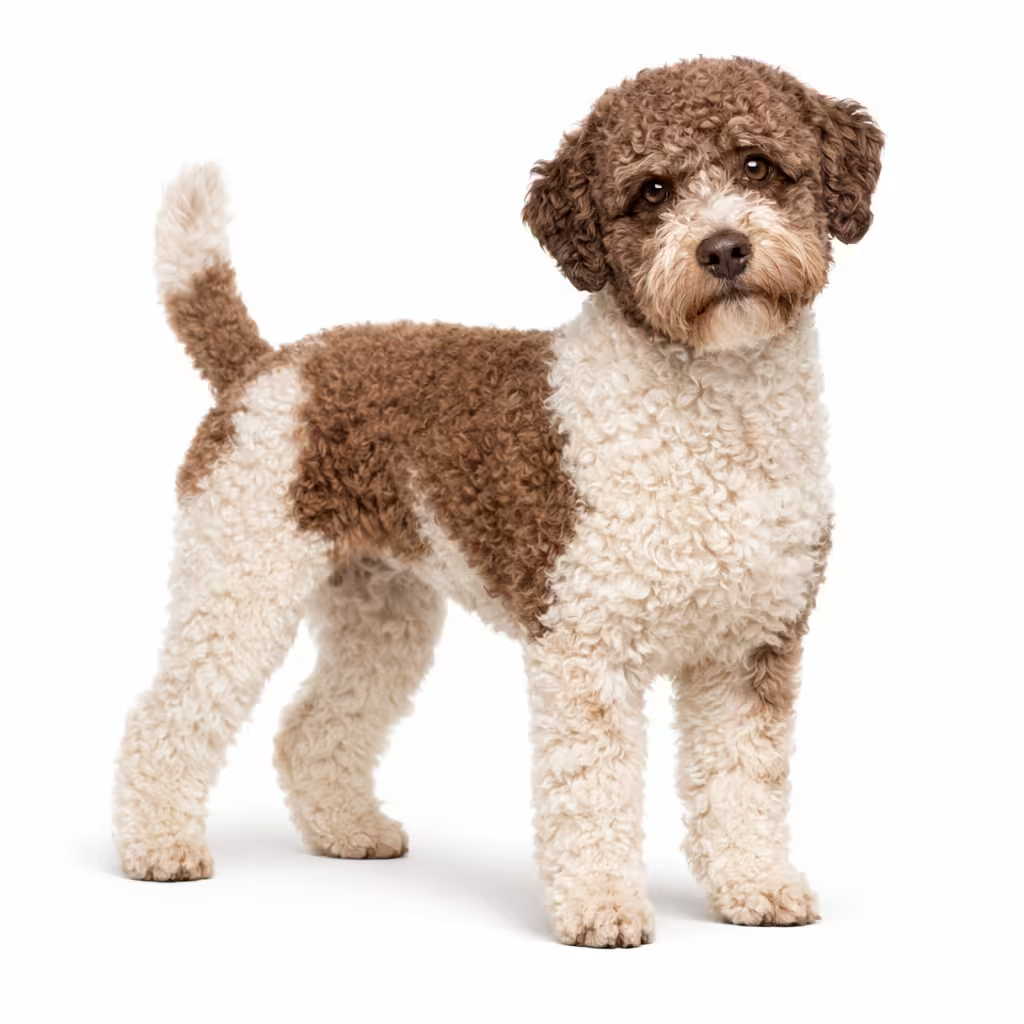
Lagotto Romagnolo

The Nose Knows
MEDIUM
24
-
35
lbs

Poodle - The Gold Standard for Allergy Sufferers

Poodles are consistently ranked as the top choice for people with allergies, and for good reason. Their curly coat traps dander and shed hair rather than releasing it into your home. Poodles come in three sizes (Toy, Miniature, and Standard), so you can choose based on your living situation and activity level. They're highly intelligent, trainable, and adaptable to various lifestyles.

The trade-off is grooming. Poodles require professional grooming every 6-8 weeks and regular brushing at home to prevent matting. Their coat grows continuously and needs to be clipped. Many owners learn to do basic maintenance themselves, but you should budget for regular grooming expenses. Despite the maintenance, their minimal shedding and friendly temperament make them worth the effort for allergy sufferers.

Bichon Frise - Fluffy and Allergy-Friendly

The Bichon Frise looks like a cotton ball but doesn't shed like one. These small, cheerful dogs have a double coat with a soft, dense undercoat and a curly outer coat that catches loose hair and dander. They're affectionate, social, and excellent for families or individuals who want a companion that's always happy to see them.

Bichons need regular grooming to keep their coat healthy and minimize allergens. Professional grooming every 4-6 weeks is standard, along with daily brushing to prevent mats. They're prone to tear staining, so you'll need to clean around their eyes regularly. Bichons thrive on attention and don't do well when left alone for long periods, so consider your schedule before choosing this breed.

Maltese - Elegant and Low-Shedding

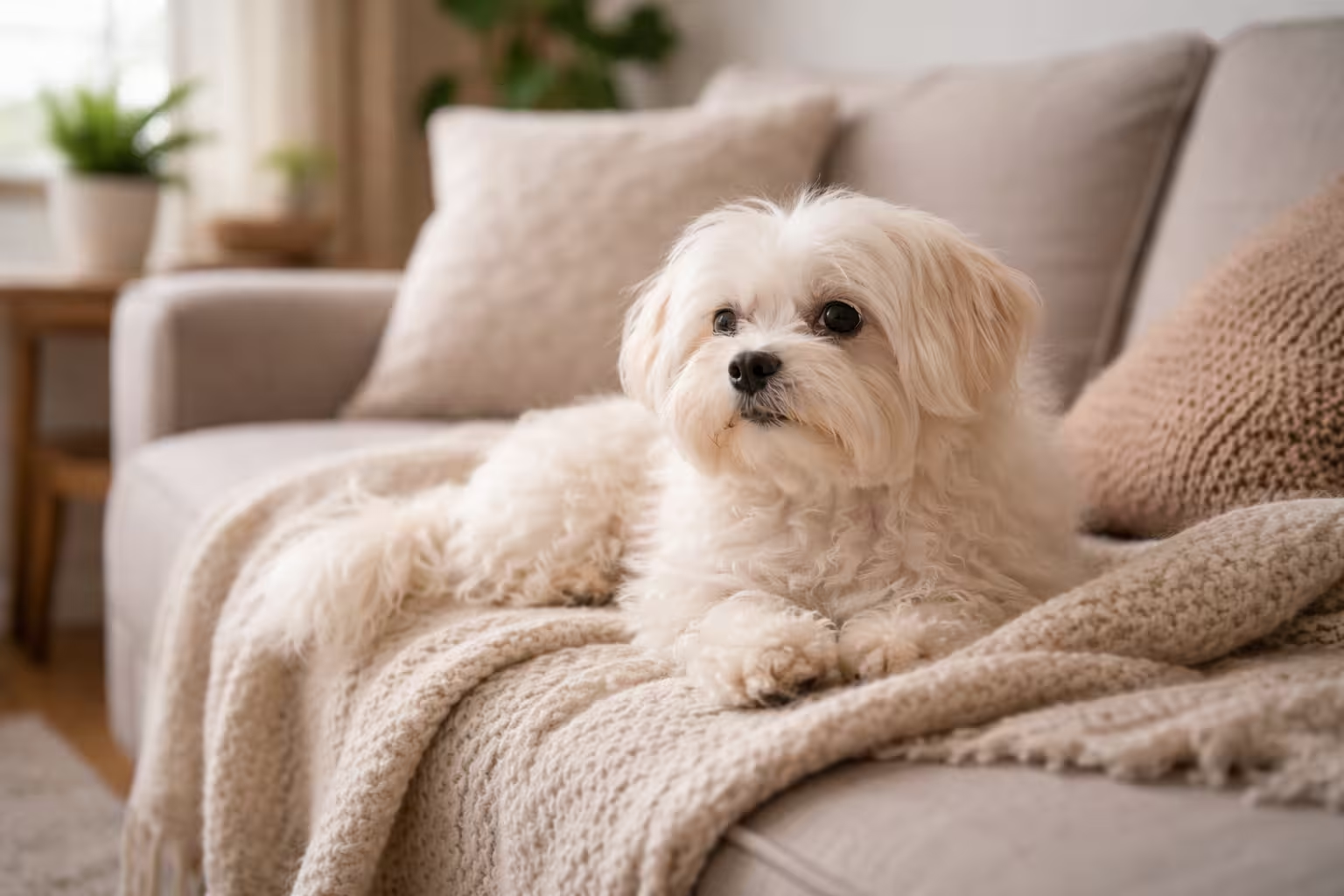
Maltese dogs have long, silky white hair that grows continuously rather than shedding seasonally. This makes them excellent for allergy sufferers, as they produce less airborne dander than many other breeds. They're small, typically weighing under 7 pounds, making them perfect for apartments or smaller living spaces. Maltese are affectionate, playful, and form strong bonds with their owners.

The flowing coat requires significant maintenance. Daily brushing is necessary to prevent tangles, and many owners keep their Maltese in a shorter "puppy cut" to reduce grooming time. Professional grooming every 4-6 weeks is recommended. Maltese can be prone to dental issues, so regular teeth cleaning is important. They're generally healthy but can be fragile due to their small size.

Portuguese Water Dog - Active and Allergy-Friendly

Portuguese Water Dogs gained widespread attention when President Obama's family chose this breed due to allergy concerns. These medium-sized dogs have a curly or wavy coat that sheds minimally. They're athletic, intelligent, and need plenty of exercise and mental stimulation. If you're an active person looking for a jogging partner or hiking companion, this breed might be perfect.

PWDs require regular grooming to maintain their coat and minimize allergens. Professional grooming every 6-8 weeks is standard, and they need regular brushing at home. They're working dogs bred to help fishermen, so they have high energy levels and need jobs to do. Without adequate exercise and stimulation, they can become destructive. This isn't a breed for couch potatoes.

Schnauzer (Miniature) - Alert and Low-Shedding

Miniature Schnauzers have a distinctive wiry double coat that sheds very little. Their coat traps dander rather than releasing it into the air, making them a solid choice for allergy sufferers. They're alert, spirited, and make excellent watchdogs despite their small size. Schnauzers are intelligent and respond well to training, though they can be stubborn at times.

Grooming requirements include professional clipping or hand-stripping every 6-8 weeks. Hand-stripping (pulling out dead hair) maintains the coat's texture better than clipping, but it's more time-consuming and expensive. Regular brushing and beard cleaning are necessary, as their facial hair can trap food and water. Schnauzers are generally healthy but can be prone to certain genetic conditions, so choose a reputable breeder.

Yorkshire Terrier - Small Dog, Big Personality

Yorkshire Terriers have fine, silky hair that's more similar to human hair than typical dog fur. They shed minimally and are often well-tolerated by people with allergies. Yorkies are tiny (usually 4-7 pounds) but have bold, confident personalities. They're loyal, affectionate with their families, and surprisingly brave for their size.

Their long coat requires daily brushing if kept full-length, or regular trimming if kept in a shorter style. Professional grooming every 6-8 weeks helps maintain coat health and minimize allergen buildup. Yorkies can be vocal and may challenge larger dogs, so early socialization and training are important. They're fragile due to their small size and should be handled carefully, especially around young children.

Havanese - The Velcro Dog

Havanese dogs are small, sturdy companions with silky coats that shed very little. They're often called "Velcro dogs" because they want to be near their owners constantly. These dogs are gentle, affectionate, and excellent with children and other pets. They adapt well to various living situations, from apartments to houses with yards.

The Havanese coat can be kept long with daily brushing or trimmed short for easier maintenance. Professional grooming every 6-8 weeks is recommended regardless of length. They're generally healthy and hardy despite their small size. Havanese don't do well when left alone for long periods and can develop separation anxiety. If you work long hours away from home, this might not be the right breed.

Lagotto Romagnolo - The Truffle Hunter

The Lagotto Romagnolo is less well-known than other breeds on this list but equally allergy-friendly. These Italian water dogs have thick, curly coats that shed minimally. Originally bred to hunt truffles, they're intelligent, trainable, and have strong noses. Lagottos are medium-sized, affectionate, and generally good with families.

Their dense, woolly coat requires regular grooming to prevent matting. Professional grooming every 6-8 weeks and brushing several times a week at home will keep the coat manageable and minimize allergens. Lagottos need moderate exercise and enjoy having a job to do. They can be reserved with strangers but are loyal and loving with their families. This breed is still relatively rare, so finding a reputable breeder may take time.

Dogs That May Not Be Ideal for Allergies

While all dogs produce allergens, some breeds are particularly problematic for allergy sufferers due to heavy shedding and dander production. Understanding which breeds to avoid can save you from a difficult situation down the road.

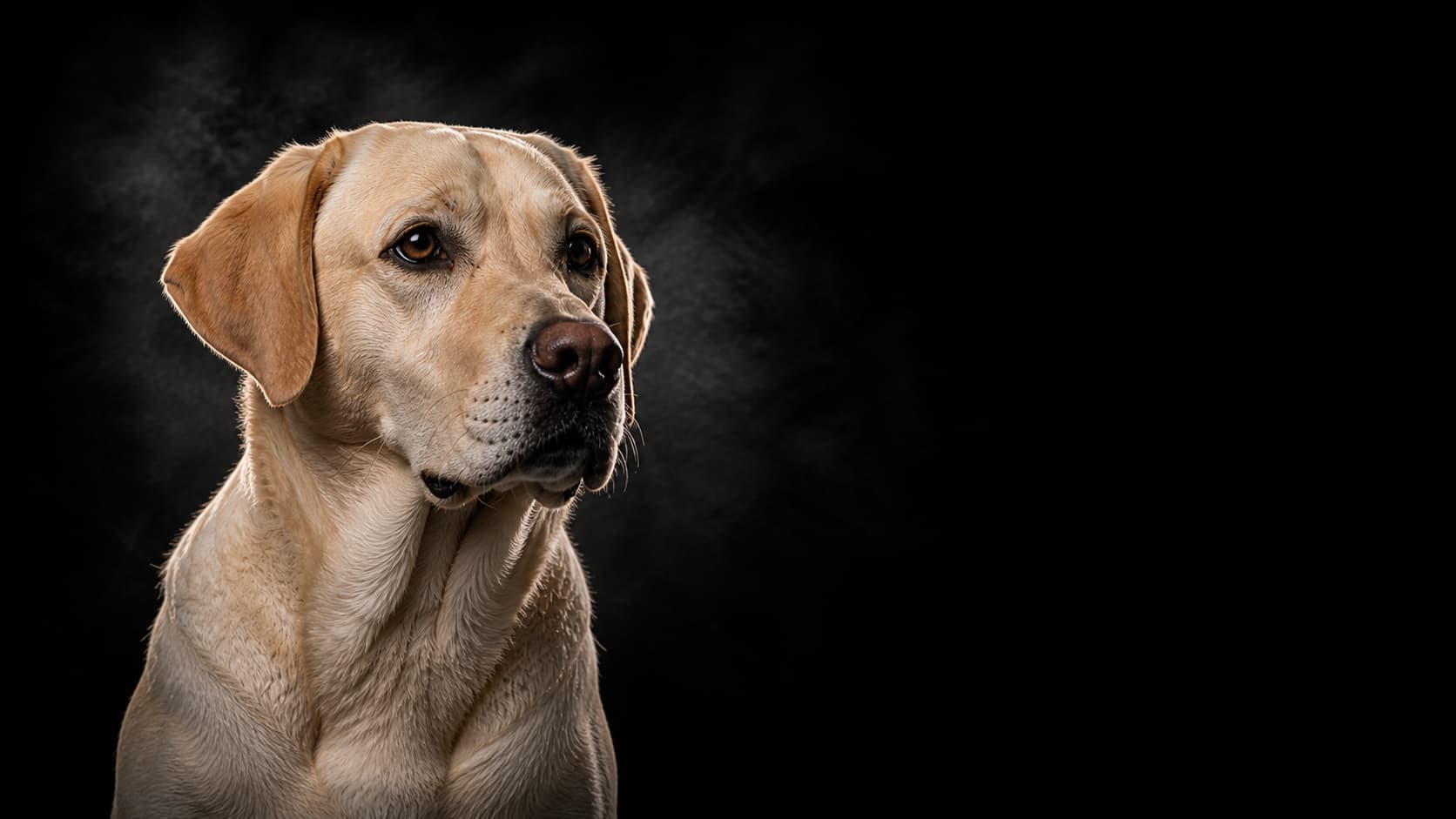
Labrador Retriever - Labs are wonderful family dogs, but they shed heavily year-round with intense seasonal shedding periods. Their double coat produces substantial dander that spreads throughout your home. Labs are one of the most popular breeds in America, but they're not suitable for most people with allergies.

Golden Retriever - Similar to Labs, Golden Retrievers have thick double coats that shed constantly and heavily during seasonal changes. The long hair carries dander throughout your home and clings to furniture, clothing, and carpets. Their friendly temperament makes them beloved pets, but allergy sufferers should look elsewhere.

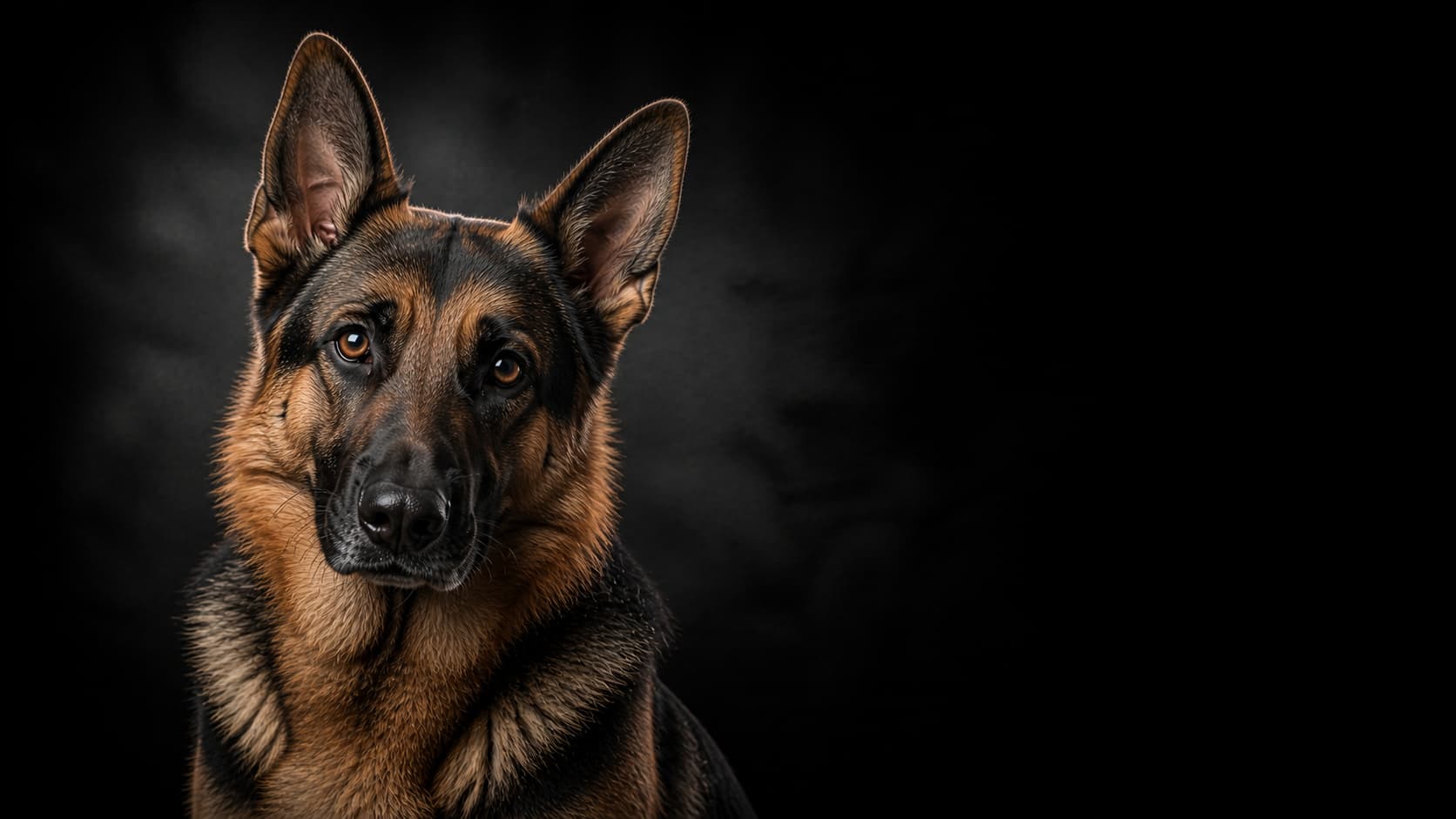
German Shepherd - German Shepherds shed profusely year-round. Their dense double coat produces clouds of fur during shedding season. The amount of dander they spread makes them a poor choice for anyone with pet allergies, despite their intelligence and loyalty.

Husky - Huskies have thick double coats designed for extreme cold weather. They "blow" their coat twice a year, shedding enormous amounts of fur in a short period. The constant dander production and shedding make them one of the worst choices for allergy sufferers, even though they're stunning and energetic dogs.

Conclusion

Living with allergies doesn't mean you have to give up on having a dog. While no breed is truly hypoallergenic, many low-shedding breeds can make dog ownership possible for allergy sufferers. The key is choosing a breed with a coat type that traps dander rather than spreading it throughout your home.

Success with an allergy-friendly dog depends on more than just breed selection. Regular grooming is essential, keeping allergens under control before they accumulate in your home. Establish cleaning routines that include frequent vacuuming with HEPA filters, washing dog bedding weekly, and using air purifiers in main living areas. These habits make a significant difference in managing your symptoms.

Take time to match your lifestyle with the right breed. Consider your activity level, living space, time available for grooming, and whether you can handle a high-maintenance coat. Spend time with the breed you're considering before making a commitment. With the right choice and proper care, you can enjoy the companionship of a dog without constant allergy misery.

Frequently Asked Questions

What dog is best for allergies?

Poodles are widely considered the best dogs for allergies because their curly coat traps dander and they shed very little. Other great options include Bichon Frises, Maltese, and Portuguese Water Dogs.


What are hypoallergenic dogs?

There is no truly hypoallergenic dog, but some breeds are more allergy-friendly than others. These dogs shed less and produce fewer airborne allergens, making them easier to live with for people who have sensitivities.

What dog sheds the least?

Poodles, Bichon Frises, Maltese, and Yorkshire Terriers are among the lowest-shedding dog breeds. These dogs have hair instead of fur and require regular grooming to maintain their coats.

Can I live with a dog if I have allergies?

Yes, many people with allergies successfully live with dogs by choosing low-shedding breeds and maintaining a clean environment. Regular grooming, HEPA filters, and keeping dogs out of bedrooms can significantly reduce symptoms.

Do air purifiers help with pet allergies?

Yes, air purifiers with HEPA filters help remove airborne dander and allergens. They work best when combined with regular cleaning and grooming routines.

Are small dogs better for allergies?

Not necessarily. Allergy-friendliness depends more on coat type and shedding than size. However, smaller dogs may produce less total dander simply due to their size.

🐾 Just brought home a puppy?

Start with the Raising a Puppy Guide — a step-by-step roadmap covering every stage of puppy development, or jump into one of our other detailed guides.

First 48 Hours With a New Puppy: What to Expect and How to Set the Right Foundation
A collection of puppy supplies including a black wire crate with a gray blanket, food bowls, puppy food bag, toys, collars, leash, harness, medication bottle, diaper pads, and cleaning spray on a light blue background.New Puppy Checklist: Supplies You Need Before Bringing Your Puppy Home

And if you’re ready to go even deeper, grab a copy of the book: Help! I Got a Puppy. It’s everything you didn’t know you needed to know.

Learn about the different dog breed groups