Havanese
AKA — Bichon Havanese
Fluffy, Funny, and Full of Love
A velcro dog with island charm, the Havanese is equal parts lapdog and social butterfly.

Breed traits at a glance
Happy with short walks, a bit of play, and lots of cuddle time. Energy is moderate, but affection is full throttle.
Quick learners who respond well to gentle, reward-based training.
Excellent family dogs. Gentle with children, sociable with pets, and thrives with lots of attention.
Requires regular brushing or professional grooming to avoid matting. Silky coat needs upkeep.
Tends to bark when left alone or when visitors arrive. Social training helps.
A good choice for mild allergy sufferers if grooming is kept up.
The honest fit check
Is a Havanese right for you?
Great fit if…
- You are a first-time owner who will still make time for training, routine, and daily care.
- You can provide daily walks, play, and training instead of treating a yard as exercise.
- You want a responsive training partner and enjoy reinforcing good habits every day.
- You want strong family-dog potential and will still supervise children and dogs together.
Think twice if…
- You want a dog that can thrive without consistent training, routines, or attention.
- You want a dog whose needs are met by occasional walks and time in the yard.
- Frequent brushing or professional grooming would strain your time or budget.
- You need a reliably quiet dog and do not want to train around alert barking.
Daily reality
- Exercise
- Moderate: Happy with short walks, a bit of play, and lots of cuddle time.
- Shedding
- Low shedding, but coat or skin care still matters. No dog is allergen-free.
- Alone time
- Low tolerance for long absences. Build independence gradually and avoid regular all-day isolation.
- Grooming
- High: Requires regular brushing or professional grooming to avoid matting.
- Size
- 7–13 lbs · 8.5–11.5 in
Temperament & Personality
The Havanese is a small companion breed in the Bichon family, which also includes the Bichon Frise, Maltese, Coton de Tulear, and Bolognese. These breeds trace their lineage to the now-extinct Mediterranean Bichon Tenerife, which spread from the Canary Islands to various parts of Europe and the Americas via Spanish trade routes. The Havanese developed specifically in Cuba, where it became a favored lapdog of the Cuban aristocracy.
Compact and sturdy, the Havanese is known for its soft, silky coat, expressive eyes, and lively movement. The breed is well-proportioned and slightly longer than it is tall, with a plume-like tail carried over the back.
Havanese are cheerful, sociable, and highly people-oriented. They are typically outgoing with strangers, affectionate with family members, and adaptable in homes with other pets and children. Compared to many toy breeds, the Havanese is noted for its even temperament and resilience in the face of playful handling by younger children.
Intelligent and responsive, Havanese are quick learners and enjoy interactive games and companionship. While energetic and playful, they are also content to settle in quietly when indoors. Their affectionate and loyal nature has contributed to the breed’s rising popularity around the world.
Similar Breeds: Bichon Frise, Maltese, Coton de Tulear, Bolognese, Löwchen
Are Havanese good with kids? Yes — one of the best small family dogs.
Do Havanese bark a lot? They can be vocal, but manageable with training.
Are Havanese aggressive? No — very friendly and social.
What It's Like To Own One
Living with a Havanese feels like having a cheerful little sidekick who’s convinced that everything you do is worth celebrating—and possibly supervising. They’re affectionate extroverts, the kind of dog who wants to be in the middle of your phone call, curled up at your feet during a movie, or peeking through the shower curtain to make sure you’re still alive (and available for snuggles).
Don’t let the silky coat and sweet face fool you—they’re clever, curious, and often hilarious. They love to learn and thrive on interaction, whether it’s training, playtime, or just following you from room to room like a very fuzzy assistant. These dogs are built for companionship, and they give it generously and with enthusiasm.
They’re also wonderfully intuitive. The Havanese seems to sense your moods, matching your energy when you’re upbeat and settling in quietly when you need calm. If you want a joyful, responsive dog who’s small in size but huge in heart, the Havanese is a delightful choice.
How much does a Havanese cost? Havanese are smaller and cheaper to feed, but they come with ongoing maintenance costs.
- Breeder price: typically $1,500–$3,500+
- Food costs: low (small dog)
- Grooming costs: high (regular brushing or professional grooming required)
- Vet risk: generally low to moderate
The hidden cost is grooming and attention. Their coat requires upkeep, and they don’t do well being left alone for long periods.
👉 This is not a “set it and forget it” small dog.
👉 It’s a companion breed that requires regular care and consistent presence.
I am:Lin-Manuel Miranda
Joyful, creative, and makes everyone feel like a best friend
Famous & Fictional Owners
People and characters whose lifestyle, energy, and identity fit this breed.
Dolly Parton
Warm, sociable, charming, and always ready to welcome someone in, Dolly mirrors the people-centered home a Havanese wants.
Jimmy Fallon
Playful, expressive, social, and happiest with constant interaction, he could give this companion dog an appreciative audience.
Jennifer Lopez
Polished, family-oriented, highly social, and comfortable maintaining the look, she fits a glamorous but deeply attached little dog.
Dating Profile
Must love snuggling, giggling, and always having a fuzzy companion underfoot. I’m affectionate, observant, and not afraid of eye contact—I will stare lovingly into your soul. I’m into walks, playtime, and being part of literally everything you do (even bathroom breaks). If you want a soft, loyal sidekick with a great sense of humor and zero chill about being left out, I might just be your perfect match.
Where They Want To Live
Havanese thrive in homes where they’re treated like part of the inner circle. Whether it’s a studio apartment or a family home, their one true requirement is you. They don’t need a yard or intense exercise—just consistent companionship and a spot close to the action (or your lap).
They do best with people who love a little shadow dog energy—someone always nearby, always watching, and always ready to join the fun. Left alone too long, they can get anxious or bored. But in homes where they’re included in daily routines, errands, and snuggle sessions, they flourish.
If you want a dog who fits beautifully into small spaces but lives large in your heart, the Havanese will make themselves right at home.
Things To Know
- Needs frequent brushing or trims
- Not great alone for long stretches
- Eager to please—training is easy with praise
- Excellent city or condo dog
- Big personality in a small frame
Gear Guide
- Comb and detangling spray
- Soft carrier for errands or travel
- Snuffle mat or gentle puzzle toys
- Step stool or ramp to sofa
- Breathable dog pajamas (yes, really)
Health Watch: Common Breed Risks
Havanese are generally healthy but have a few breed-specific issues to watch for:
- Luxating patella (loose kneecaps)
- Hip dysplasia (less common, but possible)
- Cataracts and progressive retinal atrophy (PRA)
- Deafness (especially in lines with a lot of white)
- Heart murmurs and mitral valve disease
- Allergies and tear staining
Coat, Shedding & Grooming Needs
Do Havanese shed? Very little. Their coat produces minimal loose hair, which is why they’re often considered low-shedding.
- Long, soft double coat that’s more hair than fur (low-shedding but not low-effort)
- Comes in nearly every color: white, black, chocolate, gold, sable, and combos
- Needs brushing several times a week to prevent tangles and mats
- Many owners opt for a “puppy cut” to make upkeep easier
- Regular trimming around eyes, paws, and sanitary areas keeps them comfy
Diet & Nutrition Needs
Small, active, and food-motivated—here’s how to keep your Havanese fueled:
- Feed high-quality small-breed kibble with balanced protein and fat
- Break into 2–3 meals a day to avoid blood sugar dips
- Watch calories—these charmers are prone to weight gain
- Use training treats wisely; they’re smart and eager to earn them
- Hydration matters, especially with a longer coat and indoor lifestyle
Health Care Tips
Smart care helps your Havanese live a long, happy life by your side:
- Prioritize dental hygiene—small mouths = tartar trouble
- Protect knees by keeping them at a healthy weight
- Brush their coat often, even in short trims, to avoid mats and hot spots
- Use harnesses over collars to reduce neck strain
- Stay on top of yearly eye and heart checks
This breed is especially well-suited for:
Related Breeds


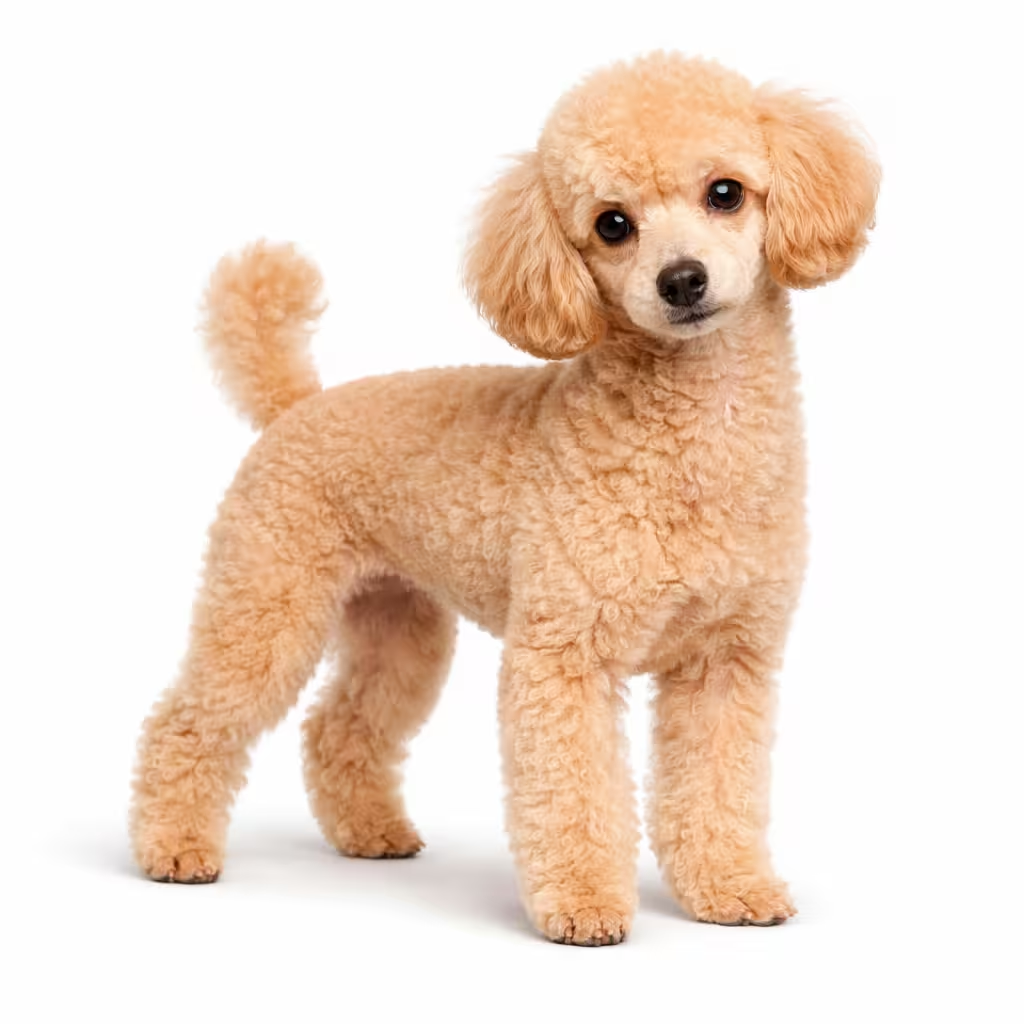

The Havanese is a heart-on-sleeve companion who wants to be in your arms, your bed, and your calendar. They’re gentle, goofy, and endlessly loving—built for connection and happiest when involved in every part of your life. Whether you live in a cozy apartment or a bustling home, this low-shedding, high-affection breed brings warmth, charm, and constant companionship. They’re not just lap dogs—they’re life dogs.