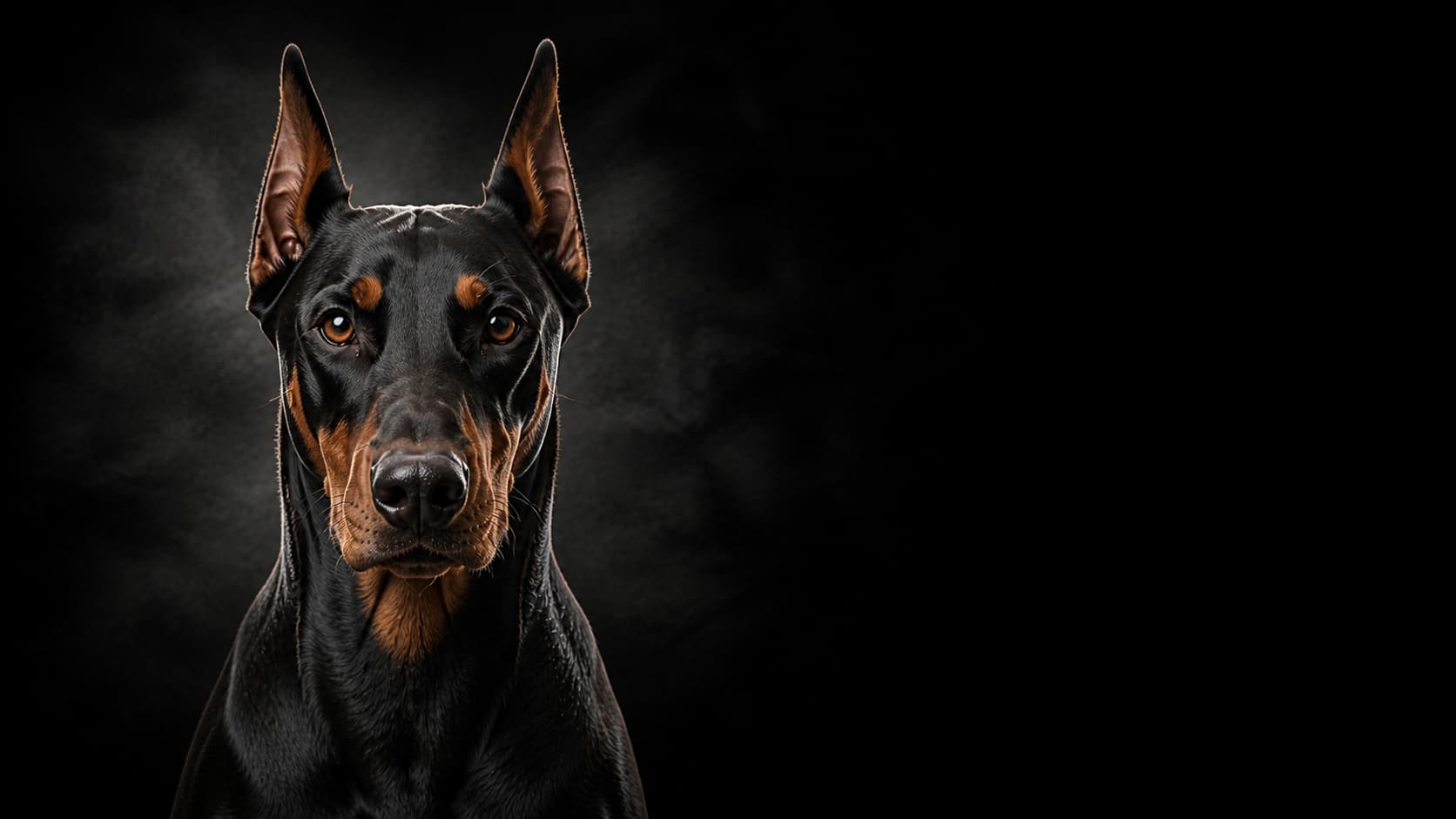
Irish Wolfhound
Gentle Giant of the Emerald Isle
Towering and tender, Irish Wolfhounds bring quiet strength, soulful eyes, and a comforting stillness to any home.

Breed traits at a glance
Moderate daily walks and relaxed play suffice. They enjoy stretching out and lounging—no need for high-impact activity.
Responds well to positive reinforcement and gentle structure. Their sensitivity means harsh training is counterproductive.
Usually wonderful with children due to their calm, patient demeanor. Always supervise due to size.
Rough double coat needs weekly brushing and occasional stripping to stay clean and healthy.
Generally quiet—barking is rare and often reserved for meaningful alerts.
No—they are not hypoallergenic and do shed moderately year-round.
The honest fit check
Is a Irish Wolfhound right for you?
Great fit if…
- You have owned a dog before and are ready for the structure an Irish Wolfhound requires.
- You can provide daily walks, play, and training instead of treating a yard as exercise.
- You want a responsive training partner and enjoy reinforcing good habits every day.
- You want strong family-dog potential and will still supervise children and dogs together.
Think twice if…
- This would be your first dog and you do not have experienced support or a structured training plan.
- You want a dog whose needs are met by occasional walks and time in the yard.
- Regular brushing, shedding cleanup, and routine coat care sound like too much.
- You need a dog that is comfortable with frequent all-day isolation.
Daily reality
- Exercise
- Moderate daily walks and relaxed play suffice.
- Shedding
- Regular shedding. Expect loose hair, dander, and seasonal increases.
- Alone time
- More independent than many breeds, but still needs daily contact, exercise, and a reliable routine.
- Grooming
- Medium: Rough double coat needs weekly brushing and occasional stripping to stay clean and healthy.
- Size
- 105–140 lbs · 30–35 in
Temperament & Personality
The Irish Wolfhound is a giant sighthound developed for hunting wolves and large game. Despite its name, the breed is defined by its original purpose rather than its appearance. It is widely recognized as the tallest dog breed in the world, with males often exceeding 32 inches at the shoulder. Though not typically as heavy as the Mastiff or Great Dane, the Irish Wolfhound is unmatched in height and presence.
The breed has a rough, wiry coat that comes in a range of colors, including grey, wheaten, brindle, red, black, white, brown, and fawn—with grey and wheaten being the most common. It features a long, muscular frame, a large, elongated head, and a strong, arched neck. The overall silhouette resembles that of an oversized Greyhound.
Irish Wolfhounds are known for their calm, thoughtful nature and strong sense of loyalty. They are generally patient, gentle, and friendly, often described as dignified and affectionate with their families. Though not naturally inclined to guard, their imposing size may serve as a deterrent.
While reserved in energy indoors, they are capable runners with keen eyesight—traits inherited from their sighthound ancestry. The breed matures slowly, typically reaching full physical and mental development by two years of age.
Similar Breeds: Scottish Deerhound, Great Dane, Borzoi, Mastiff
What It's Like To Own One
Living with an Irish Wolfhound is like cohabiting with a dignified ghost—present, loyal, and calm, but never overbearing. They have an uncanny way of knowing where you are and quietly positioning themselves nearby, just close enough to offer their quiet companionship without demanding anything in return. They don’t bark much, they don’t pace or hover—they simply exist near you, exuding peace.
Despite their size, they’re surprisingly low-energy indoors. They move with softness and grace, content to rest their long limbs across a favorite rug or couch cushion. They’re gentle with children, tolerant of routine, and deeply bonded to their people. If you’re looking for a calm presence who asks for little but gives everything in return, the Irish Wolfhound is a truly noble soul.
I am:Liam Neeson
Tall, calm, quietly powerful—Neeson reflects the Wolfhound’s protective presence and inner nobility.
Famous & Fictional Owners
People and characters whose lifestyle, energy, and identity fit this breed.
Hagrid
An enormous home, a love of enormous animals, and a deeply gentle temperament make Hagrid an almost literal Wolfhound owner archetype.
Jason Momoa
The rugged outdoor image, physical confidence, and relaxed warmth fit living comfortably with a giant, ancient-looking hound.
Sam Elliott
Quiet authority, space, patience, and an old-soul Western presence align with the Wolfhound’s dignified scale.
Dating Profile
I may be big, but I move like mist. I won’t bark much, but I’ll always know where you are—and I’ll be nearby, watching with calm eyes and a quiet heart. I’m not clingy, just connected. I love a slow walk, a deep nap, and quiet time with the people I trust. If your pace is more thoughtful than frantic and you’ve got room in your home (and heart) for a gentle giant, I’ll be your loyal shadow. Let’s stroll through life—gracefully, together.
Where They Want To Live
Irish Wolfhounds are gentle giants who need both room to move and a soft place to land. These dogs thrive in homes with large, secure yards where they can stretch their long legs—but they’re not high-energy. What they crave is calm: peaceful environments, low-stress households, and a quiet rhythm of life.
They don’t do well in cramped apartments or chaotic homes. What suits them best is a spacious, serene setting—preferably with soft bedding, consistent companionship, and a gentle routine. A big couch, a slower pace, and people who love deeply and quietly? That’s where the Irish Wolfhound feels truly at home.
Things To Know
- Watch for signs of bloat—feed multiple small meals
- Needs gentle exercise to avoid joint strain
- Lifespan is short—6–8 years
- Must be socialized early and well
- Not suitable for homes with stairs or fragile furniture
Gear Guide
- Wide, stable food and water bowls
- Large orthopedic bed
- Gentle harness and leash
- Joint supplements as recommended
- Low-calorie training treats
Health Watch: Common Breed Risks
Common concerns include:
- Dilated cardiomyopathy
- Bloat (gastric torsion)
- Osteosarcoma
- Hip and elbow dysplasia
- Liver shunt
Coat, Shedding & Grooming Needs
- Brush weekly
- Bathe as needed
- Comb the beard and longer furnishings where debris can collect
- Check nails and paw pads often
- Ask an experienced groomer about occasional hand-stripping or tidying
Diet & Nutrition Needs
Irish Wolfhounds need a deliberate giant-breed feeding plan, especially while their frame is developing:
- Use a complete giant-breed puppy food and review growth with a veterinarian and breeder
- Measure meals and keep the dog lean to reduce unnecessary stress on joints
- Divide the daily ration into multiple meals instead of one large serving
- Avoid extra calcium or growth supplements unless a veterinarian recommends them
- Discuss meal timing and bloat risk with your veterinarian, and keep fresh water available
Health Care Tips
- Choose a breeder who follows current breed-club guidance for cardiac and eye screening
- Keep regular heart examinations on the veterinary calendar throughout adulthood
- Learn the emergency signs of bloat and know the nearest emergency clinic before a crisis
- Use age-appropriate exercise and good floor traction while a puppy is growing
- Keep the dog lean and seek prompt veterinary care for lameness or unusual swelling
Related Breeds
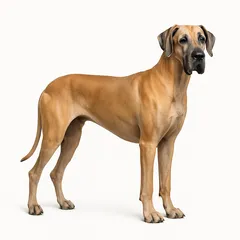


The Irish Wolfhound is an awe-inspiring blend of gentleness and strength—a towering presence with the soul of a poet. They’re not barky, needy, or hyper. Instead, they offer quiet companionship, deep loyalty, and a kind of emotional stillness that’s rare in any species. They need space, soft places to rest, and a home that understands slowness isn’t laziness—it’s grace. Not for every household, but for those who welcome one in, a Wolfhound becomes unforgettable: part guardian, part soul companion, all heart.