Greater Swiss Mountain Dog
AKA — Swissy, GSMD, Grosser Schweizer Sennenhund
The Short-Coated Swiss Powerhouse
The Swissy is a huge, devoted farm dog with moderate exercise needs and immense physical strength. Expect a long adolescence, firm opinions, heat limits, and giant-dog expenses.
Breed traits at a glance
Swissies need regular walks, training, and chances to use their bodies, but they are better suited to hiking and drafting than distance running.
Food rewards help, but drills quickly lose their appeal. A Swissy can learn the rule, then test whether it still applies once 100 pounds of dog wants something else.
Many are affectionate family dogs. Their sheer size and slow physical maturity make older children the easier default while manners develop.
The short coat is simpler than a Berner's, but it has a real undercoat. Seasonal shedding brings enough hair to justify a rake and a vacuum plan.
A deep alert bark comes naturally to many Swissies. Thoughtful socialization helps the dog notice ordinary life without announcing every arrival.
The dense double coat sheds throughout the year and releases more undercoat seasonally. This is a poor bet for allergy-sensitive homes.
The honest fit check
Is a Greater Swiss Mountain Dog right for you?
A Swissy offers deep family loyalty in an impressively capable body. Daily life works best when the people respect the dog's strength, long adolescence, and summer limits.
Great fit if…
- You want a devoted, substantial dog for walks, hikes, training, or drafting.
- You can keep rules clear while a giant adolescent tests them cheerfully.
- Your home and vehicle can accommodate a dog weighing about as much as an adult person.
- You have shade, air conditioning, and flexible plans during hot weather.
Think twice if…
- You want a distance-running partner or a dog for hard summer exercise.
- A two-year stretch of teenage behavior in a very powerful body sounds exhausting.
- Giant crates, food, medication, boarding, and veterinary costs would strain the budget.
- You need a dog who obeys mainly because you asked once.
Daily reality
- Exercise
- Regular walks, hikes, training, and moderate working activities with careful heat management.
- Shedding
- Moderate year-round with substantial seasonal undercoat release.
- Alone time
- Family-oriented but capable of learning a reasonable routine when independence starts early.
- Grooming
- Brush weekly, use an undercoat tool during coat blows, and keep nails short.
- Size
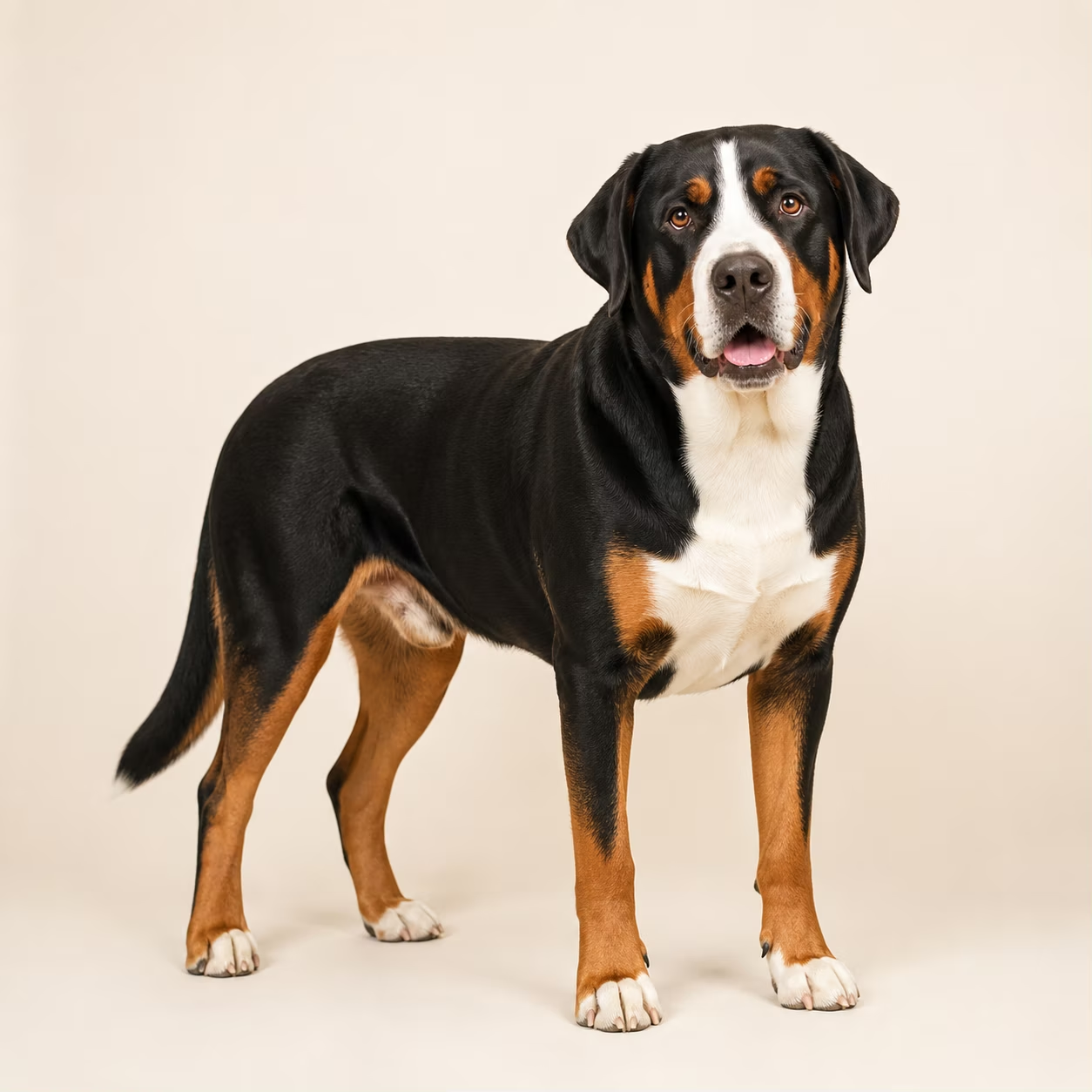
- About 85 to 140 lb and 23.5 to 28.5 in, with males generally larger.
Temperament & Personality
The Greater Swiss Mountain Dog is a Swiss draft, drover, and all-purpose farm breed. Its ancestors moved cattle, guarded property, and pulled carts for farmers and tradespeople. The official standard still asks for a powerful, heavy-boned dog agile enough to perform that practical work. Swissies share the black, rust, and white pattern of the Bernese Mountain Dog, but their short coat changes both the silhouette and the household maintenance. The body underneath is formidable: females commonly begin around 85 pounds, while males may reach 140. That strength arrives well before emotional maturity.
With family, many Swissies are affectionate, dependable, and eager to stay near the action. Their farm background can also produce vigilance around unfamiliar people and changes at home. Temperaments vary, so early socialization should build calm confidence rather than force indiscriminate friendliness.
Training tends to go best with food, humor, and follow-through. Drilling the same exercise can lose the dog; allowing a rule to become optional teaches an entirely different lesson. Constant intensity is unnecessary, but the owner still has to outlast a strong opinion.
What It's Like To Own One
The first surprise is how quickly the puppy becomes enormous. The second is how long it remains a puppy. By the time a Swissy can lean into the leash hard enough to rearrange your shoulder, it may still greet the world with adolescent enthusiasm and selective hearing.
This is where ordinary training earns its keep. Waiting at doors, walking on a loose leash, settling while guests enter, and allowing feet to be handled are household essentials. Teach them while the dog is still small enough that mistakes are manageable.
Adult Swissies often settle into a satisfying rhythm. They like a purposeful walk, a hike in cool weather, scent work, or learning to pull a cart, then they are pleased to supervise the family. Hard distance running adds little. Hot weather can shut down the day's plans entirely.
Size affects everything around the dog. Crates, vehicles, boarding, medication, emergency lifting, and veterinary procedures all cost or weigh more. Owners who plan for that scale get to enjoy the appealing part: a faithful, good-humored presence with the strength of farm equipment and much better company.
I am:Paul Bunyan
Mountain-sized, practical, good-natured, and happiest when immense strength is put to an honest day's work.
Famous & Fictional Owners
People and characters whose lifestyle, energy, and identity fit this breed.
Nick Offerman
Dry humor, patient craftsmanship, outdoor time, and respect for a sturdy working partner make this pairing feel inevitable.
Chip Gaines
Farm projects, family commotion, room to move, and a willingness to train a large enthusiastic helper suit a Swissy.
Harrison Ford
Capable, direct, outdoorsy, and unimpressed by unnecessary drama—the right energy for a powerful dog with practical roots.
Dating Profile
I am 100 pounds of Swiss engineering with the emotional timeline of a teenager. I prefer cool hikes, useful projects, snacks, and standing exactly where you need to carry the laundry. My coat is shorter than my Bernese cousin's, but my undercoat still has seasonal ambitions. Teach me the rules early, keep the air conditioning on, and I will bring loyalty, muscle, and excellent project supervision.
Where They Want To Live
Swissies appreciate space, secure fencing, cool indoor rest, and easy access to walks or trails. A large yard is useful for training, though manners and companionship still require active time with the dog.
Apartment life is difficult because of the dog's footprint, deep bark, and awkward giant-dog adolescence. Hot climates require especially careful management. Whatever the address, make sure the dog can lie down without blocking every exit—and that the vehicle can carry an injured adult if an emergency occurs.
Things To Know
- The short coat still releases a heavy seasonal undercoat
- Adolescence may last two years in a dog strong enough to move an adult
- Swissies handle cold better than heat
- Drafting and hiking fit better than distance running
- Breeding dogs need public hip, elbow, shoulder, and eye results
Gear Guide
- Extra-large crate, bed, and giant-dog vehicle restraint
- Sturdy six-foot leash and broad fitted collar
- Undercoat rake and high-velocity dryer
- Water and cooling supplies for warm weather
- Drafting equipment introduced with experienced instruction after maturity
Health Watch: Common Breed Risks
The Greater Swiss Mountain Dog Club of America asks breeders to publish hip, elbow, shoulder, and eye evaluations. Owners should also know the breed's emergency risks before they need that knowledge.
- Hip and elbow dysplasia
- Shoulder osteochondrosis dissecans (OCD)
- Gastric dilatation-volvulus (bloat)
- Splenic torsion, which is reported unusually often in Swissies
- Epilepsy
- Urinary incontinence, especially in growing and spayed females
Coat, Shedding & Grooming Needs
The dense, short double coat is practical and weather-resistant. Most weeks are easy; undercoat season uses the same simple technique and produces vastly more hair.
- Brush weekly with a rubber curry or firm bristle brush
- Use an undercoat rake and thorough blow-out during seasonal shedding
- Bathe as needed and dry the coat completely
- Check drop ears and keep them clean and dry
- Trim nails often so a heavy dog keeps sound footing
Diet & Nutrition Needs
A Swissy grows rapidly and can become heavy before the skeleton is ready. Steady, lean growth protects developing joints; chasing the biggest puppy does not.
- Feed a complete and balanced large- or giant-breed growth food as advised by your veterinarian
- Keep ribs easy to feel and resist pushing a puppy toward maximum size
- Measure meals; food motivation makes training easy and overfeeding easier
- Discuss meal timing and emergency signs of bloat with your veterinarian
- Budget for adult portions, preventives, and medications dosed for a giant dog
Health Care Tips
Good Swissy care protects a slowly developing body, prepares for emergencies, and plans around heat before the forecast becomes dangerous.
- Verify hip, elbow, shoulder, and current eye evaluations in the OFA database
- Learn the signs of bloat and splenic torsion and know the nearest emergency hospital
- Limit forced high-impact work while bones and joints are developing
- Schedule summer activity for cooler hours and provide reliable air conditioning
- Ask about epilepsy and urinary incontinence in close relatives
Related Breeds
 XL
XL Bernese Mountain Dog
Fluffy strength, Swiss-born sweetness.
Learn more → XL
XL Saint Bernard
Alpine heart, giant-sized love.
Learn more → XL
XL Newfoundland
Gentle Giant of the North
Learn more → XL
XL Rottweiler
Powerhouse with a Heart
Learn more → XL
XL Great Dane
Elegance in an enormous frame.
Learn more →A Greater Swiss Mountain Dog is a loyal, capable farm dog whose calm adult presence has to be earned through a very large adolescence. The coat is comparatively simple, while the strength, heat management, training, and expenses demand serious planning. For people who enjoy practical partnership and can plan around giant-dog needs, the Swissy can be deeply rewarding.