Toy Poodle
Tiny, Smart, and Devoted
A pocket-sized companion with big intelligence and an even bigger attachment to its people.
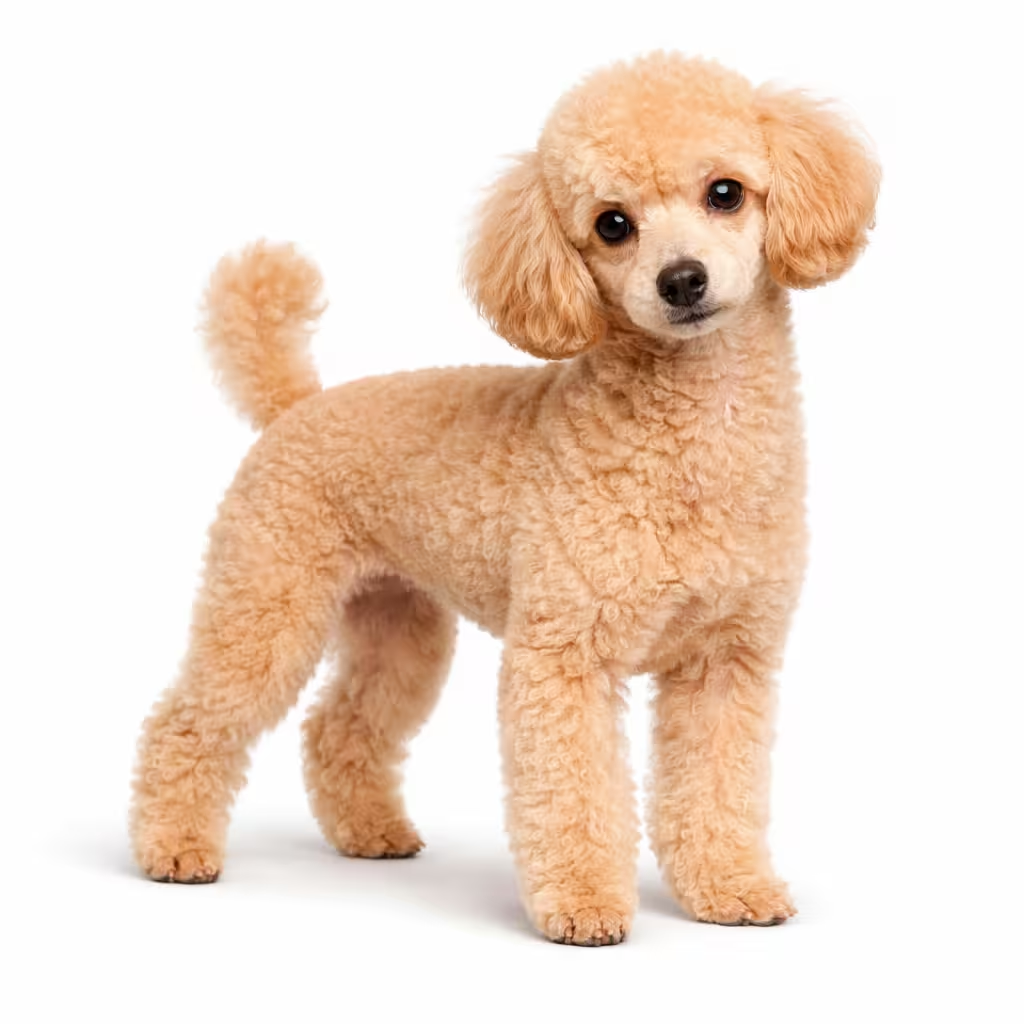
Breed traits at a glance
Moderate exercise needs—short walks, indoor play, and training games are usually enough. Mental stimulation is essential.
Highly trainable and eager to please. They respond quickly to positive reinforcement and enjoy learning tricks and routines.
Can be great with gentle children and other pets. Due to their small size, supervision is important to prevent accidental injury.
High grooming needs similar to other Poodles. Frequent brushing and regular professional grooming required.
Can be vocal and prone to alert barking, especially if anxious or under-stimulated.
Low-allergen coat, but not fully hypoallergenic.
The honest fit check
Is a Toy Poodle right for you?
Great fit if…
- You are a first-time owner who will still make time for training, routine, and daily care.
- You can provide daily walks, play, and training instead of treating a yard as exercise.
- You want a responsive training partner and enjoy reinforcing good habits every day.
- You want strong family-dog potential and will still supervise children and dogs together.
Think twice if…
- You want a dog that can thrive without consistent training, routines, or attention.
- You want a dog whose needs are met by occasional walks and time in the yard.
- Frequent brushing or professional grooming would strain your time or budget.
- You need a reliably quiet dog and do not want to train around alert barking.
Daily reality
- Exercise
- Moderate exercise needs—short walks, indoor play, and training games are usually enough.
- Shedding
- Low shedding, but coat or skin care still matters. No dog is allergen-free.
- Alone time
- Low tolerance for long absences. Build independence gradually and avoid regular all-day isolation.
- Grooming
- High grooming needs similar to other Poodles.
- Size
- 4–6 lbs · 7–10 in
Temperament & Personality
The Toy Poodle is the smallest Poodle variety, standing no more than 10 inches at the shoulder and generally weighing 4 to 6 pounds. The small frame changes the handling requirements, but not the breed’s basic character. This is still an active, highly intelligent dog that learns patterns quickly and expects to participate in the household.
Toy Poodles are lively, alert, affectionate, and remarkably trainable. They often enjoy trick work, scent games, short retrieving sessions, and any routine that puts their brain to use. Their attention to people can feel almost conversational. It can also turn into alarm barking, demand behavior, or distress when alone if owners provide constant access but never teach calm independence.
Their physical needs are manageable, not nonexistent. Several short walks, indoor play, and training can satisfy most adults, while the tiny body requires thoughtful handling around young children, larger dogs, stairs, and high furniture. Grooming is a real time and budget commitment, and dental care should begin early. With those needs met, a Toy Poodle can be a capable little partner rather than a decorative lapdog, with a typical lifespan of 10 to 18 years.
What It's Like To Own One
Living with a Toy Poodle is an intensely close experience. These dogs bond deeply—often choosing a favorite person and staying closely connected throughout the day. They’re alert, aware, and highly responsive, picking up on your moods and routines with surprising precision.
They don’t need large spaces or intense physical activity, but they do need attention. Without it, they can become anxious or overly vocal. With it, they become affectionate, playful, and incredibly engaging companions who seem to exist in sync with your life.
They bring a lighter, more intimate energy to dog ownership. Less chaos, more closeness. But that closeness comes with responsibility—you’re not just their owner, you’re their world.
Daily life also includes details that are easy to underestimate: regular coat appointments, tooth brushing, careful handling, and consistent housetraining with more frequent bathroom breaks than a larger dog may need. A Toy Poodle is portable, but not maintenance-free. The best owners protect the small body without treating the mind like it is fragile.
I am:Sabrina Carpenter
Polished, compact, quick, and far more formidable than the packaging suggests—Sabrina Carpenter fits the Toy Poodle.
Famous & Fictional Owners
People and characters whose lifestyle, energy, and identity fit this breed.
Paris Hilton
Tiny-dog glamour, constant companionship, high presentation, and a social life where the dog is part of the identity make this an immediate fit.
Ariana Grande
Petite, polished, expressive, and much more capable than the packaging suggests, Ariana reflects the Toy Poodle owner fantasy.
Emma Watson
Intelligence, poise, conscientious care, and respect for capability beneath an elegant exterior fit the breed’s brains-and-beauty reality.
Dating Profile
Hi, I’m small, smart, and very into you. I like being close—really close—and I’ll happily follow you from room to room just to stay connected.
I’m playful, affectionate, and always paying attention. I don’t need a big life—I just need to be part of yours.
If you want a loyal little shadow with personality, I’m right here.
Where They Want To Live
Toy Poodles thrive in smaller living spaces—apartments, condos, or homes without yards. They don’t need space as much as they need proximity to their people.
They do best in homes where someone is around often. Long periods alone can lead to anxiety.
The safest setup controls access to high furniture and rough play, provides a warm place to rest, and still makes room for short walks and training. A yard is optional. Secure handling and daily involvement are not.
They’re ideal for people who want a constant companion rather than an independent dog.
Things To Know
- Can develop separation anxiety
- Needs gentle handling due to size
- Grooming is ongoing
- Prone to barking if anxious
- Thrives on companionship
Gear Guide
- Soft harness (avoid neck strain)
- Grooming tools and appointments
- Interactive toys
- Cozy bedding
- Training treats
Health Watch: Common Breed Risks
May be prone to:
- Dental disease
- Luxating patella
- Tracheal collapse
- Eye issues
Coat, Shedding & Grooming Needs
- Dense, curly hair sheds very little but continues growing
- Brush to the skin several times a week, or daily in a longer coat
- Use a slicker brush and metal comb to find mats close to the body
- Plan on professional clipping about every 4–6 weeks
- Check ears, nails, eyes, and the sanitary area during every grooming cycle
Diet & Nutrition Needs
- Choose a complete toy-breed food with pieces that are easy to chew
- Keep a young puppy on the feeding schedule recommended by the breeder and veterinarian
- Measure adult portions carefully because a small calorie surplus adds up quickly
- Use tiny training rewards and count them toward the daily food total
- Keep the dog lean and review appetite or weight changes with a veterinarian
Health Care Tips
- Brush teeth daily when possible and schedule professional dental care as advised
- Use a harness and supervise children, furniture jumps, and play with larger dogs
- Ask about patellar, eye, and hip screening when choosing a breeder
- Keep grooming appointments consistent so mats and skin problems are found early
- Build short periods of calm independence to reduce over-reliance on constant company
This breed is especially well-suited for:
Related Breeds
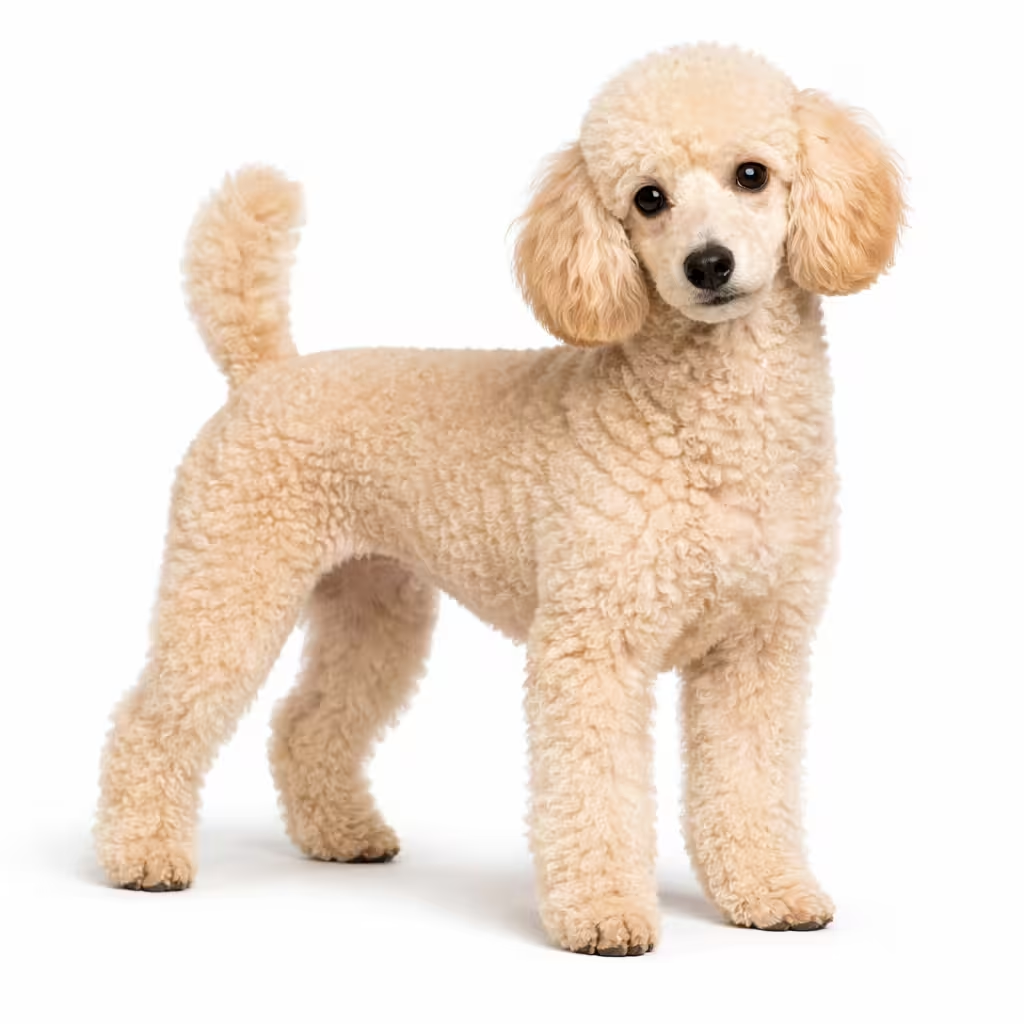


The Toy Poodle is a deeply devoted companion that thrives on closeness, routine, and connection. They may be small, but their emotional presence is huge. For the right owner, they offer a uniquely intimate bond that feels less like ownership—and more like partnership.