German Shorthaired Pointer
AKA — GSP
Born to Run (and Retrieve)
A tireless athlete with a heart of gold, the German Shorthaired Pointer is happiest when in motion—and even happier when it's with you.
Breed traits at a glance
This is a dog that doesn’t just want activity—they need it. Hiking, running, swimming, scent work—you name it.
Highly intelligent and loves having a job to do. Fast learners who thrive on praise and purpose.
Wonderful with active, outdoorsy families. Best in homes that embrace structure and play.
Low-maintenance coat but regular brushing helps during seasonal shedding.
Can be chatty when excited or under-stimulated. Not shy about speaking up.
Not a great pick for allergy-sensitive homes.
The honest fit check
Is a German Shorthaired Pointer right for you?
Great fit if…
- You have owned a dog before and are ready for the structure a German Shorthaired Pointer requires.
- Daily exercise and mental work are already part of the life you want with a dog.
- You want a responsive training partner and enjoy reinforcing good habits every day.
- You want strong family-dog potential and will still supervise children and dogs together.
Think twice if…
- This would be your first dog and you do not have experienced support or a structured training plan.
- Daily exercise and mental work would be difficult to sustain.
- Loose fur and dander are dealbreakers, even if coat care is otherwise simple.
- You need a reliably quiet dog and do not want to train around alert barking.
Daily reality
- Exercise
- High: This is a dog that doesn’t just want activity—they need it.
- Shedding
- Regular shedding. Expect loose hair, dander, and seasonal increases.
- Alone time
- Low tolerance for long absences. Build independence gradually and avoid regular all-day isolation.
- Grooming
- Low-maintenance coat but regular brushing helps during seasonal shedding.
- Size
- 45–70 lbs · 21–25 in
Temperament & Personality
The German Shorthaired Pointer (GSP) was developed in the 19th century in Germany as an all-purpose hunting dog—capable of pointing, retrieving, and trailing on both land and water. Breeders aimed to create a versatile sporting companion with endurance, intelligence, and a cooperative temperament. The result is a sleek, athletic dog that’s as skilled in the field as it is affectionate at home.
A cross of various scent hounds, pointers, and tracking breeds (including the now-extinct German Bird Dog), the GSP was fine-tuned for performance and adaptability. By the late 1800s, it had become a staple in German hunting culture and was officially recognized by kennel clubs in the early 20th century.
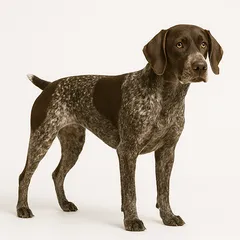
GSPs are medium-to-large dogs, typically weighing 45–70 pounds and standing 21–25 inches tall. Their short, dense coat is liver-colored or liver and white, often with ticking or patches. They are low-shedding but benefit from regular brushing to manage hair and skin health.
These dogs are highly energetic, driven, and intelligent. They require daily mental and physical stimulation—otherwise, they may develop destructive habits or anxiety. GSPs are affectionate, often velcro-like with their people, and make excellent companions for active families. However, their intensity can be too much for laid-back households.
With proper exercise and engagement, the German Shorthaired Pointer offers an exceptional blend of athleticism, eagerness, and heart.
Similar Dog Breeds: Weimaraner, Vizsla, English Pointer, Labrador Retriever, Wirehaired Pointing Griffon
What It's Like To Own One
Living with a German Shorthaired Pointer is like having a live-in personal trainer who’s also your most loyal hype-man. They’re affectionate, eager, and always ready for action—whether that’s a trail run, a swim, or an impromptu game of fetch that somehow lasts an hour. These dogs aren’t just active—they need activity. Their minds and bodies are wired for motion, and without regular outlets, they’ll invent their own (usually messy) forms of entertainment.
But give them structure, exercise, and a place in your daily rhythm, and you’ll discover one of the most rewarding companions out there. GSPs are loving, goofy, and always close by—leaning into you on the couch, trailing you from room to room, or watching intently for your next move. They thrive when they have a job to do, and if that job is “be your ride-or-die adventure buddy,” they’ll do it with full heart and wagging tail.
This is a breed for people who live life in motion and want a dog who can match their stride—physically, emotionally, and enthusiastically.
I am:Chris Hemsworth
All muscle, charm, and always up for a challenge
Famous & Fictional Owners
People and characters whose lifestyle, energy, and identity fit this breed.
Bear Grylls
An outdoors-first life built around distance, weather, water, and challenge is the kind of life a GSP owner should actually want.
David Goggins
Serious endurance training and a refusal to treat ten more miles as unreasonable make him an unusually credible GSP match.
Lara Croft
Athletic, adventurous, resourceful, and constantly in motion, Lara reflects the aspirational life that draws people to this breed.
Dating Profile
Looking for a workout buddy, accountability partner, and cuddler all in one? I’m a lean, loving machine who’s happiest with mud on my paws and your scent in my nose. I’ve got energy for days, loyalty that runs deep, and a goofy streak that keeps things interesting. Whether we’re running trails, diving into lakes, or winding down with a lean-in on the couch—I’ll be right by your side, ready for whatever comes next. Let’s make every day an adventure.
Where They Want To Live
German Shorthaired Pointers are built for wide open spaces and active lives. A rural home with room to roam is their version of paradise—but they can also thrive in suburban settings if their people are equally committed to daily exercise and mental stimulation. These are dogs that need more than a yard—they need a purpose.
Hiking trails, running routes, water access, and fields to explore are ideal, but what they want most is to be near you, doing something with you. Whether that’s scent work, agility, or tagging along for every errand, they just want to stay in motion by your side. At the end of the day, give them a warm spot next to your boots and a job well done, and they’ll be the happiest dog on earth.
Things To Know
- Needs at least 60–90 minutes of real activity daily
- Not great in homes where they’ll be left alone often
- Highly trainable but needs focus outlets
- Affectionate but not clingy—likes having a mission
- Will happily swim, hike, and chase tennis balls for hours
Gear Guide
- Long lead or GPS collar for off-leash hikes
- High-protein treats for training
- Tough fetch toys and floatable bumpers
- Secure crate for downtime
- Cooling vest for summer adventures
Health Watch: Common Breed Risks
German Shorthaired Pointers are generally healthy, but like all athletic breeds, they have a few vulnerabilities to watch for:
- Hip dysplasia
- Gastric dilatation-volvulus (bloat)
- Entropion (eyelid disorder)
- Hypothyroidism
- Progressive Retinal Atrophy (PRA)
- Von Willebrand’s disease (a bleeding disorder)
Coat, Shedding & Grooming Needs
Shorthaired Pointers have sleek coats made for the field—but they still need some upkeep:
- Short, dense coat that’s weather-resistant
- Common colors: liver, liver & white, roan, ticked, and patched combinations
- Sheds seasonally—especially in spring and fall
- Weekly brushing keeps the coat shiny and controls loose hair
- Occasional baths keep that outdoorsy smell in check
Diet & Nutrition Needs
Fueling a GSP means matching their high energy and lean muscle with smart, performance-based nutrition:
- Choose a high-protein, performance or working-dog formula
- Feed 2–3 meals daily to help prevent bloat
- Adjust calorie intake based on activity—couch days and hunting days aren’t the same
- Keep treats lean and purposeful, especially during training
- Offer joint and omega-3 supplements to support long-term mobility
Health Care Tips
GSPs thrive when their energy is matched with preventive care and smart structure. Here’s how to keep them going strong:
- Avoid vigorous activity right before or after meals to reduce bloat risk
- Schedule regular hip, eye, and thyroid screenings
- Protect paws and joints on hard or rocky terrain
- Provide mental stimulation daily to prevent anxiety or destructive behaviors
- Keep them lean and well-muscled—extra weight slows them down
This breed is especially well-suited for:
Related Breeds


The German Shorthaired Pointer is a high-performance athlete wrapped in devotion, drive, and just enough goofiness to keep you laughing. They’re not cut out for the couch-potato life—they need purpose, exercise, and people who live actively. But for runners, hikers, hunters, or families who love the outdoors, they’re unmatched. GSPs are loyal, smart, and affectionate to the core. Give them a job, a trail, and a place beside you, and they’ll give you everything they’ve got—every single day.