
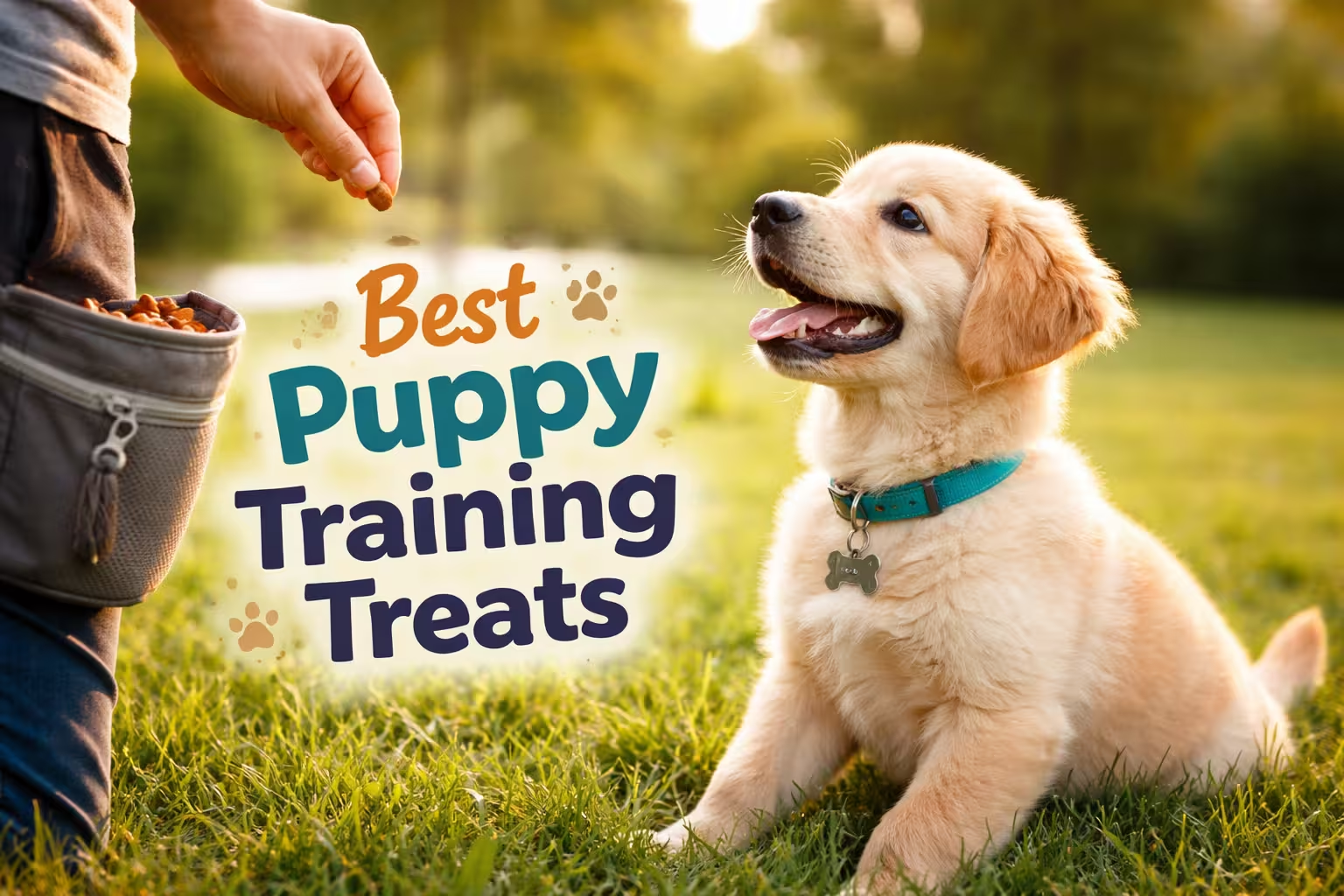
Training a puppy means repeating the same command dozens of times. Sometimes hundreds. Sit. Stay. Come. Leave it. Repeat tomorrow.
The treat you use matters more than most new puppy owners realize.
Good puppy training treats keep your dog motivated without filling them up. Professional trainers almost always use treats that are:
- tiny
- soft
- high-value (smelly and tasty)
- low calorie
That combination lets you reward your puppy frequently without slowing down training sessions or upsetting their stomach.
Training works because dogs repeat behaviors that lead to rewards. That’s one reason training your puppy early is so important.
In this guide, we’ll walk through what makes a good puppy training treat, how many you should use, and the best puppy training treats available in 2026.
Our top picks at a glance
⭐ OUR TOP PICK — Zuke’s Mini Naturals Training Treats. Tiny, soft, and only ~2 calories per treat. The most widely-recommended option among professional trainers for high-repetition sessions like sit, recall, and leash training. Check price on Amazon
| Treat | Brand | Best For | Price | Check Price |
|---|---|---|---|---|
| Zuke’s Mini Naturals ⭐ Top Pick | Zuke’s | Everyday training | ~$14.94 | Check Price |
| Blue Buffalo Bits Training Treats | Blue Buffalo | Puppy classes | ~$14.98 | Check Price |
| Wellness Soft Puppy Bites | Wellness | Younger puppies | ~$9.99 | Check Price |
| Pet Botanics Training Rewards | Pet Botanics | High repetition training | ~$16.94 | Check Price |
| Pupford Freeze-Dried Training Treats | Pupford | High-value rewards | ~$16.89 | Check Price |
What makes a good puppy training treat
Not all dog treats work well for training.
Many popular treats are too big, too crunchy, or too filling, which slows down learning.
The best puppy training treats are small, soft, low-calorie rewards that dogs can eat quickly during training. Popular trainer-approved options include Zuke’s Mini Naturals, Blue Buffalo Bits, and Pet Botanics Training Rewards.
Here’s what professional trainers typically look for.
Small size
Training involves a lot of repetition.
A puppy might earn 30 to 100 rewards in a short training session.
Tiny treats let you reward frequently without overfeeding.
Most training treats are pea-sized or smaller.
Soft texture
Crunchy biscuits are great snacks. They’re terrible training rewards.
When a puppy has to chew for several seconds, you lose momentum in the training session.
Soft treats can be swallowed quickly so your dog stays focused on the next cue.
High value (smelly and delicious)
Dogs learn faster when the reward feels worth it.
High-value treats usually contain real meat or fish, which creates a stronger scent and flavor.
The smellier the treat, the more motivating it tends to be, especially in distracting environments like parks or puppy classes.
Low calories
Training sessions involve lots of rewards.
If each treat contains 10 to 20 calories, your puppy will reach their daily calorie intake very quickly.
Many training treats contain 1 to 3 calories each, which makes them ideal for repeated rewards.
Simple ingredients
Look for treats with:
- real meat as the first ingredient
- short ingredient lists
- no artificial dyes or fillers
Veterinarians generally recommend treats made with recognizable protein sources and minimal additives.
💡 Trainer tip
Many professional trainers mix two types of treats during training:
- normal treats for easy commands
- high-value treats for difficult situations like recall
This keeps dogs motivated without overusing the most exciting rewards.
The picks in detail
1. Zuke’s Mini Naturals Training Treats
If you talk to professional dog trainers, Zuke’s Mini Naturals comes up constantly.
They’re small, soft, and easy to carry in a treat pouch.
Why we like them
- about 2 calories per treat
- soft texture for fast rewards
- real meat as the first ingredient
- easy to break into even smaller pieces
Because they’re so small, they work well for everyday obedience training, including:
- sit
- down
- leash walking
- recall practice
They’re also convenient for long training sessions where you may use dozens of rewards.
Best for
- everyday training
- basic obedience
- recall training
2. Blue Buffalo Bits Training Treats
Blue Buffalo’s Blue Bits are another popular option for puppy training.
They’re soft, moist, and shaped into small heart-shaped pieces that are easy to reward with quickly.
Why we like them
- soft, bite-sized texture
- real meat as the first ingredient
- includes DHA, which supports cognitive development in puppies
Many puppy training classes recommend these because they strike a good balance between taste and nutrition.
Best for
- puppy classes
- daily training sessions
- positive reinforcement training
3. Wellness Soft Puppy Bites
These treats from Wellness are designed specifically for puppies, which makes them a good option for younger dogs.
They have a soft texture and gentle ingredients that are easier on developing digestive systems.
Why we like them
- formulated for puppies
- soft, easy-to-eat texture
- grain-free options available
Because they’re slightly larger than some training treats, many owners break them into smaller pieces during training.
Best for
- young puppies
- sensitive stomachs
- early training sessions
4. Pet Botanics Training Rewards
If you’re doing lots of repetition training, Pet Botanics treats are hard to beat.
A single bag of Pet Botanics Training Rewards contains hundreds of tiny treats, which makes them ideal for long sessions.
Why we like them
- extremely small pieces
- roughly 500 treats per bag
- easy to carry in pockets or treat pouches
Because they’re so small, they’re well suited to clicker training and obedience drills.
Best for
- high repetition training
- agility work
- shaping new behaviors
5. Pupford Freeze-Dried Training Treats
Freeze-dried treats are among the highest-value rewards you can use.
Pupford Freeze-Dried Treats usually contain a single ingredient (real meat), which makes them incredibly motivating for dogs.
Why we like them
- single-ingredient protein
- extremely high value
- very low calorie
Because they’re so appealing, many trainers reserve freeze-dried treats for more difficult training situations.
Best for
- recall training
- distractions at parks
- advanced training sessions
Training treats vs regular dog treats
This is one of the most common questions new puppy owners ask.
Training treats and regular dog treats are not the same thing.
Training treats
Designed for frequent rewards.
They are usually:
- tiny
- soft
- highly motivating
- low calorie
These are ideal for obedience training and positive reinforcement.
Regular dog treats
These are more like snacks.
They’re typically:
- larger
- crunchy or chewy
- higher in calories
They work well as occasional rewards, but they slow down training sessions.
Best training treats for small and tiny dogs
Small breeds and toy puppies need especially tiny rewards. A treat sized for a labrador puppy can be too big for a chihuahua to eat quickly, which kills the pace of training.
For small or tiny dogs, look for treats that are:
- pea-sized or smaller straight out of the bag
- soft enough to pinch into halves or quarters by hand
- 1 to 3 calories each, since a 5-lb puppy hits its daily limit fast
From the picks above, three work best for small and tiny dogs:
- Pet Botanics Training Rewards. Roughly 500 pea-sized pieces per bag, no breaking needed.
- Zuke’s Mini Naturals. Soft enough to pinch in half for tiny mouths.
- Pupford Freeze-Dried. Crumbles into shards, so one treat can become four or five rewards.
If you have a teacup or toy breed, break every treat in half before training starts. Their daily calorie needs are tiny, and rewards add up fast.
How many treats should you use when training?
During active training sessions, puppies may earn 30 to 100 treats.
That might sound like a lot, but it’s normal when teaching new behaviors. Training treats are especially helpful when working through common puppy behavior problems like puppy biting and puppy chewing, where consistent positive reinforcement speeds up learning.
A few tips help keep things balanced.
Break treats into pieces
Even tiny treats can be broken into halves or quarters.
Dogs care about the reward, not the size.
Mix treat values
Use different treats depending on difficulty.
For example:
- regular treats for simple commands
- high-value treats for difficult tasks
Reduce treats over time
As behaviors improve, gradually transition to:
- intermittent rewards
- praise
- toys
This keeps your puppy responsive without relying on food forever.
What treats to avoid
Some treats simply don’t work well for training.
Avoid:
- large crunchy biscuits
- rawhide treats
- high-calorie snacks
- treats with artificial dyes
Also avoid anything containing xylitol, which is toxic to dogs.
If a treat takes more than two seconds to chew, it’s probably too big for training.
Homemade puppy training treats
Store-bought treats are convenient, but homemade options can work well too.
Simple options include:
- boiled chicken pieces
- tiny cheese cubes
- freeze-dried liver
Just remember to keep portions very small.
The goal is motivation, not a full snack.
💡 Pro training tip
Use different value treats depending on the difficulty of the task.
For example:
- normal treats for simple commands
- high-value treats for recall
- very high-value treats for distractions (parks, other dogs)
This approach keeps your puppy motivated without needing the highest reward every time.
The bottom line
The best puppy training treats are:
- small
- soft
- highly motivating
- low calorie
Using the right treats makes training easier, faster, and more enjoyable for both you and your dog.
If you’re just starting out, options like Zuke’s Mini Naturals, Blue Buffalo Bits, and Pet Botanics Training Rewards are good everyday choices. Save freeze-dried treats for situations where you need extra motivation.
And remember: consistency matters far more than the brand of treat you choose.
Next step for new puppy owners
If you’re in the early months with a new dog, our complete guide to raising a puppy walks through training, development stages, and the biggest mistakes new owners make.
📋 Printable puppy supplies checklist
Bringing home a puppy soon? Download the complete list of everything you’ll need before day one, including training treats, chew toys, crates, and the gear most new puppy owners forget.